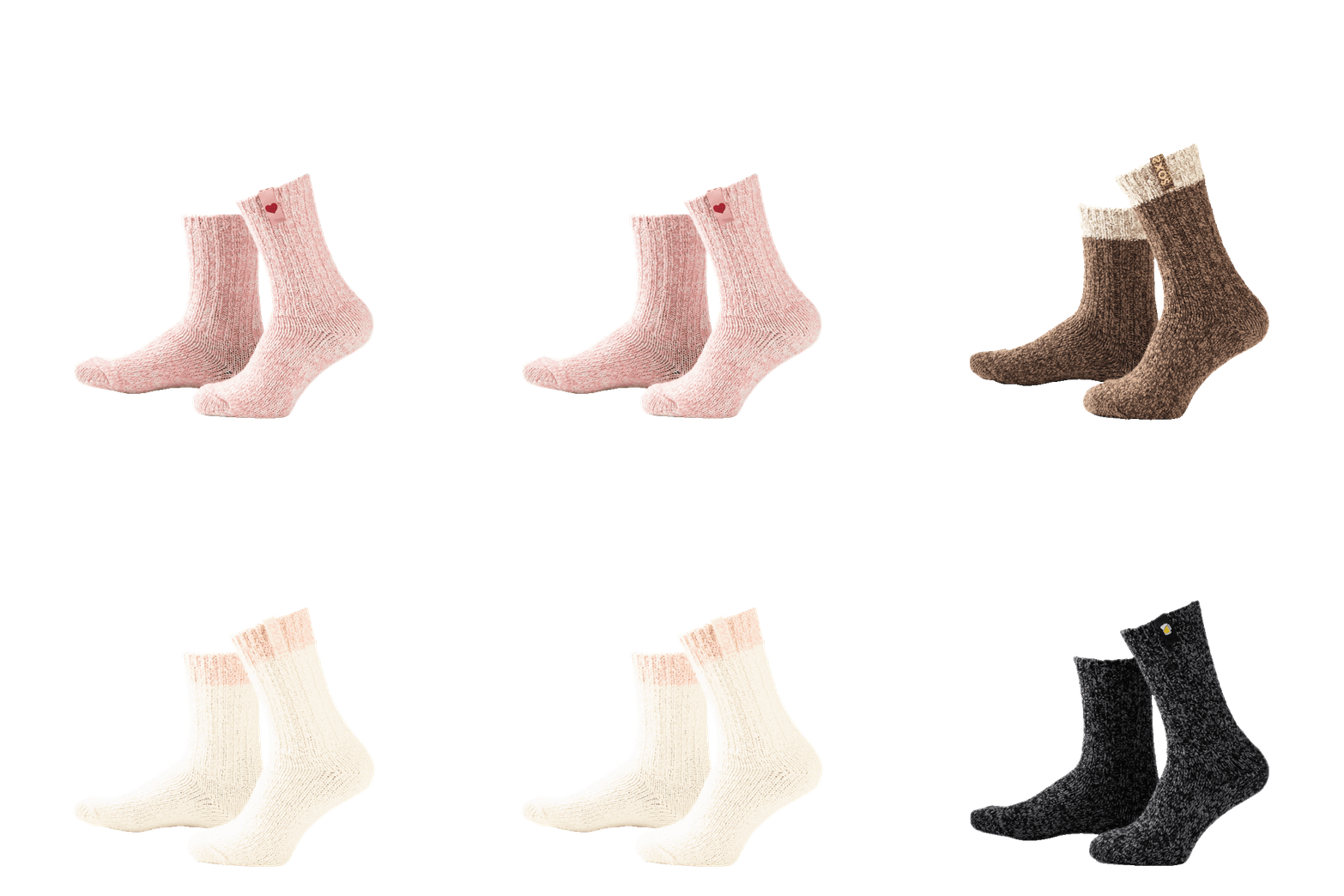
Soft warm premium wool socks
Gift ready, stylishly packaged
Orders placed before 1:00 PM will be shipped today (on weekdays) PLEASE NOTE: The delivery time of Pimp My Soxs is 5 working days!

Yes, wool socks can help reduce numbness in feet by improving circulation and temperature regulation. The natural properties of wool promote better blood flow while preventing compression that often causes numbness. Wool’s breathability and moisture-wicking abilities create optimal conditions for healthy circulation, making it particularly effective for people who experience foot numbness due to poor circulation or cold temperatures.
Foot numbness typically results from poor circulation, cold temperatures, tight footwear, or nerve compression. When blood flow becomes restricted, your feet don’t receive adequate oxygen and nutrients, leading to that familiar tingling or numb sensation. Cold temperatures compound this problem by causing blood vessels to constrict, further reducing circulation.
Your choice of socks directly impacts these factors. Traditional cotton socks can retain moisture and become tight when wet, creating compression points that restrict blood flow. Synthetic materials often lack breathability, leading to temperature imbalances that affect circulation. The material, thickness, and fit of your socks influence how well blood flows through your feet and how effectively your body maintains optimal foot temperature.
Sock material also affects pressure distribution across your foot. Materials that bunch up or lose their shape create uneven pressure points, potentially compressing nerves and blood vessels. This compression can trigger numbness, especially around the toes and arch areas where circulation is already more challenging.
Wool socks enhance circulation through superior breathability, moisture management, and temperature regulation. Unlike synthetic materials, wool naturally wicks moisture away from your skin while allowing air to circulate freely around your feet. This prevents the dampness and temperature fluctuations that can constrict blood vessels and reduce circulation.
The natural elasticity of wool fibres provides gentle, consistent pressure without creating compression points. Quality wool socks maintain their shape throughout the day, ensuring steady blood flow without the tight spots that often develop with other materials. This consistent fit prevents the circulation problems that occur when socks become too tight or bunch up in certain areas.
Wool’s temperature-regulating properties keep your feet warm without overheating. When your feet maintain an optimal temperature, blood vessels remain properly dilated, allowing for healthy circulation. This steady blood flow delivers oxygen and nutrients to your feet while removing waste products that can contribute to numbness and discomfort.
Wool outperforms synthetic materials in breathability, moisture control, and natural cushioning, all important factors for preventing foot numbness. While synthetic socks often trap moisture and heat, wool naturally regulates both, creating an environment that supports healthy circulation and nerve function.
Synthetic materials typically have limited breathability, causing feet to become damp and temperature-unstable. This environment can lead to swelling and pressure changes that compress nerves and restrict blood flow. Wool’s natural structure allows air to move freely while managing moisture effectively, maintaining the stable conditions your feet need for proper circulation.
The cushioning properties differ significantly between wool and synthetics. Wool fibres naturally compress and spring back, providing consistent support and pressure distribution. Synthetic materials often compress permanently or create uneven pressure points, potentially leading to nerve compression and circulation problems that contribute to numbness.
Merino wool blends with moderate cushioning offer the best combination for addressing foot numbness. Pure merino wool provides excellent softness and temperature regulation, while blends that include small amounts of synthetic fibres add durability and maintain shape better over time.
Look for socks with medium thickness and cushioning in key areas like the heel and forefoot. Too thin, and you won’t get adequate pressure distribution; too thick, and the socks might create tightness in your shoes. The ideal wool sock for circulation issues provides gentle cushioning without adding bulk that could restrict blood flow.
Construction features matter significantly. Seamless toe construction prevents pressure points that can compress nerves. Graduated compression or zone-specific cushioning can enhance circulation while providing support where you need it most. Avoid socks with tight elastic bands around the calf or ankle, as these can restrict blood flow to your feet.
Wool socks should fit snugly without compression, with adequate toe room and no bunching. The sock should conform to your foot shape without creating tight spots, particularly around the toes, arch, and ankle. Proper fit allows for natural foot movement while maintaining consistent, gentle contact with your skin.
Check that there’s sufficient space in the toe area and your toes should be able to move freely without the sock fabric pressing against them. Compression in the toe box is a common cause of numbness, as it restricts blood flow to your toes and can compress the nerves that run through this area.
The sock should stay in place without sliding or bunching throughout the day. Wool’s natural elasticity helps maintain proper fit, but the initial size selection is important. If you’re between sizes, choose the larger option, as slightly loose wool socks are better for circulation than tight ones. Pay attention to how the socks feel after wearing them for several hours and good wool socks should maintain their comfort and fit without creating pressure points.
Seek medical attention if foot numbness persists despite improved footwear, occurs frequently, or is accompanied by other symptoms. While better socks can address circulation-related numbness, persistent or worsening symptoms may indicate underlying medical conditions that require professional evaluation.
Contact a healthcare provider if you experience numbness alongside pain, weakness, changes in skin colour, or difficulty walking. These symptoms could indicate nerve damage, circulation disorders, or other medical conditions that need proper diagnosis and treatment. Diabetes, peripheral neuropathy, and vascular diseases can all cause foot numbness that won’t improve with sock changes alone.
Don’t delay seeking medical advice if numbness develops suddenly, affects both feet simultaneously, or spreads to other parts of your legs. While wool socks can significantly help with circulation-related foot numbness, they’re not a substitute for medical care when underlying health conditions are involved.
Improving your sock choice with quality wool options can make a significant difference in foot comfort and circulation. The natural properties of wool, including breathability, moisture management, and gentle elasticity, create optimal conditions for healthy blood flow and reduced numbness. For the best results, choose properly fitting wool socks with moderate cushioning and wear them consistently. At SOXS, we’ve developed wool sock blends that combine the circulation benefits of natural wool with modern technology, creating comfortable options that support foot health without the itchiness traditionally associated with wool socks.