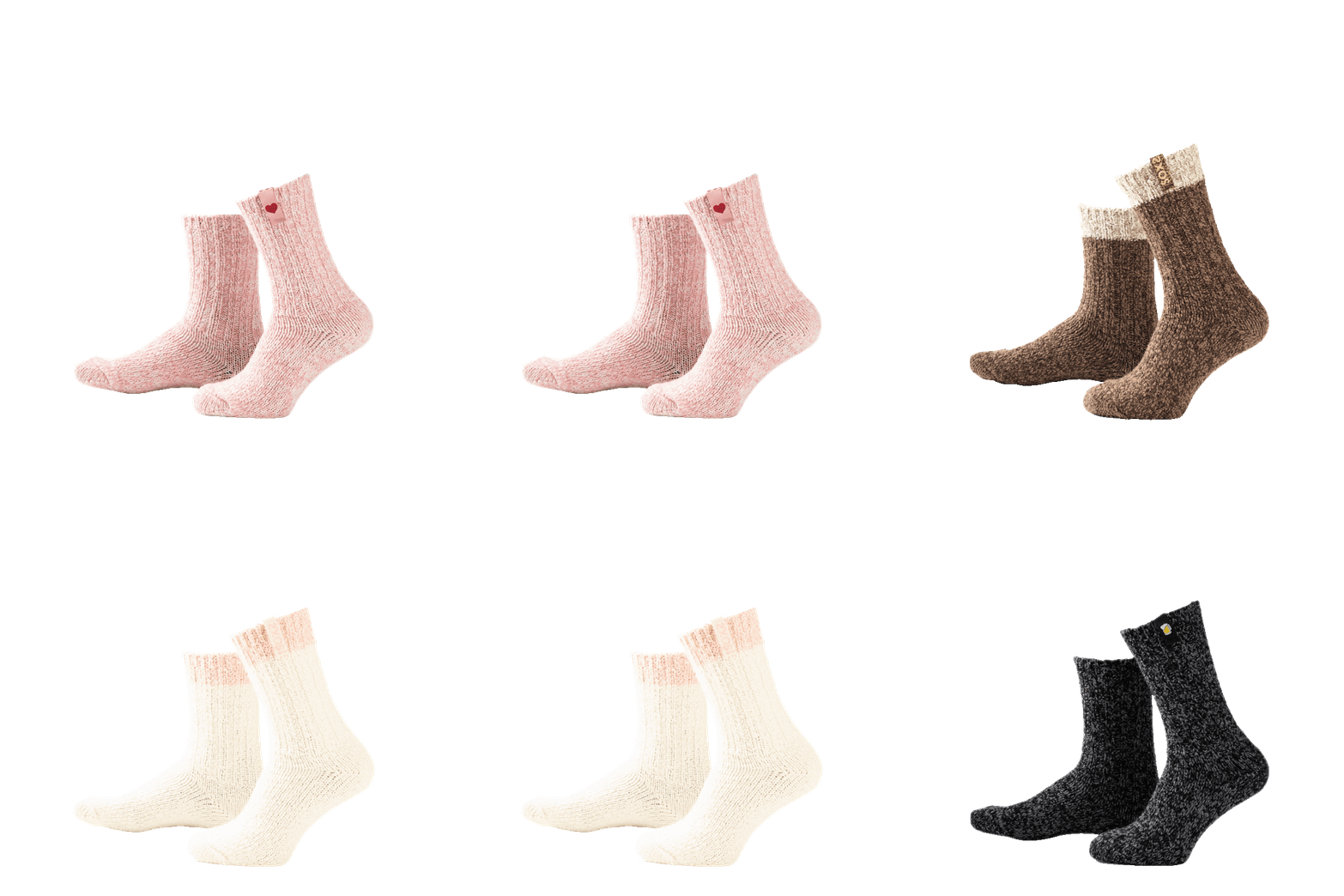
Soft warm premium wool socks
Gift ready, stylishly packaged
Orders placed before 1:00 PM will be shipped today (on weekdays) PLEASE NOTE: The delivery time of Pimp My Soxs is 5 working days!

Yes, wool socks can help with neuropathy from chemotherapy. The natural properties of wool, including temperature regulation, moisture-wicking abilities, and gentle cushioning, provide comfort for sensitive feet affected by chemotherapy-induced peripheral neuropathy. Wool’s breathable structure and soft texture make it particularly suitable for managing the pain, tingling, and temperature sensitivity that often accompany this condition.
Chemotherapy-induced peripheral neuropathy affects the nerves in your hands and feet, causing symptoms like tingling, numbness, burning sensations, and sharp pain. Your feet become particularly sensitive to temperature changes, textures, and pressure, making everyday activities challenging.
When dealing with chemotherapy neuropathy relief, the right sock choice becomes more important than you might think. Your feet need gentle support without restriction, temperature control without overheating, and softness without irritation. Traditional cotton or synthetic socks often fall short because they can trap moisture, create uncomfortable seams, or lack the natural properties that sensitive feet require.
The condition affects everyone differently, but common foot-related challenges include difficulty walking on different surfaces, sensitivity to cold floors, and discomfort from tight-fitting footwear. This is where the natural properties of wool become particularly beneficial for managing daily comfort.
Wool socks comfort comes from the unique structure of wool fibres, which naturally regulate temperature and wick moisture away from your skin. Unlike synthetic materials, wool creates tiny air pockets that insulate your feet while allowing airflow, preventing the clammy feeling that can worsen neuropathy discomfort.
The natural elasticity of quality wool means these socks move with your feet without creating pressure points. This flexibility is particularly important when you’re dealing with swelling or sensitivity that can change throughout the day. High-quality wool socks from sources like New Zealand sheep provides consistent softness without the scratchy feeling often associated with lower-grade wool.
Wool also has antimicrobial properties, which help keep your feet fresh and reduce the risk of infections, something that’s particularly important when your immune system may be compromised during treatment. The breathable nature of wool prevents the buildup of bacteria and odours that can occur with other materials.
Temperature regulation is one of wool’s greatest strengths for managing neuropathy foot pain. The natural fibres respond to your body temperature, warming up when you’re cold and allowing heat to escape when you’re warm. This automatic adjustment helps manage the hot and cold sensations that are common with chemotherapy neuropathy.
When your feet feel unusually cold due to poor circulation from neuropathy, wool’s insulating properties provide gentle warmth without overheating. The fibre structure traps warm air close to your skin while still allowing moisture to evaporate, preventing the uncomfortable dampness that can make temperature sensitivity worse.
For those experiencing sudden temperature changes or hot flashes during treatment, wool sock warmth adapts naturally. You won’t find yourself constantly removing and putting on socks throughout the day, which can be particularly helpful when bending or reaching is uncomfortable.
The cushioning properties of wool can indeed help reduce discomfort associated with peripheral neuropathy. Wool fibres have a natural spring-like quality that provides gentle cushioning with each step, reducing the impact on sensitive nerve endings in your feet.
Unlike rigid synthetic materials, wool compresses and rebounds naturally, creating a softer barrier between your feet and shoes. This can be particularly helpful if you’re experiencing sharp or shooting pains, as the gentle cushioning effect can help absorb some of the pressure that might otherwise trigger discomfort.
The natural elasticity of quality wool also means the socks won’t create tight bands around your ankles or calves, which could restrict circulation. Good circulation is important for managing neuropathy symptoms, and wool’s gentle compression supports blood flow rather than hindering it.
When selecting natural fibre socks for neuropathy, seamless construction should be your top priority. Look for socks with minimal or no seams around the toe area, as these can create pressure points that irritate sensitive nerves. Hand-linked toe seams are preferable to machine-sewn ones.
The fit should be snug but not tight, with enough room for your toes to move naturally. Avoid socks with elastic bands that create visible indentations on your legs, as these can restrict circulation. Quality wool naturally provides gentle compression without the need for tight elastic.
| Feature | Why It Matters for Neuropathy | What to Look For |
|---|---|---|
| Material composition | Affects comfort and breathability | High wool content with elastic polyamide blend |
| Seam construction | Prevents pressure points | Seamless or hand-linked toes |
| Compression level | Supports circulation | Gentle, non-restrictive fit |
| Thickness | Provides cushioning | Medium thickness for daily wear |
Consider the height of the sock as well. Mid-calf or crew socks can provide more coverage and warmth, which is helpful if your neuropathy extends up your legs. However, if you prefer shorter socks, make sure they don’t create a tight band around your ankle.
Proper care extends the life of your wool socks and maintains their beneficial properties. Hand washing is ideal, but if you prefer machine washing, use a wool programme at maximum 30°C with wool-specific detergent. Never use fabric softener, as it can break down the natural properties of wool.
During chemo feet care, maintaining hygiene is particularly important. Wool’s natural antimicrobial properties help, but regular washing ensures your socks stay fresh and bacteria-free. Wash your socks inside out to protect the outer surface and maintain their appearance.
Never put wool socks in the dryer, as the heat can cause shrinkage and damage the fibres. Instead, gently squeeze out excess water and lay them flat to dry away from direct heat or sunlight. Having multiple pairs allows you to rotate them while others are drying, ensuring you always have clean, comfortable socks available.
Store your wool socks in a breathable drawer or container, and consider using cedar blocks or lavender sachets to keep them fresh and deter moths. Proper storage maintains the wool’s natural properties and extends the life of your investment in comfort.
Managing chemotherapy side effects involves many small choices that can significantly impact your daily comfort. Quality wool socks represent one of these choices, offering natural benefits that synthetic alternatives simply cannot match. The temperature regulation, moisture management, and gentle cushioning properties of wool can provide meaningful relief for neuropathy symptoms.
Remember that comfort during treatment isn’t a luxury, it’s a necessity. When your feet feel better, you’re more likely to stay active, maintain your independence, and focus on healing rather than discomfort. The wool socks benefits extend beyond just warmth, encompassing the kind of all-day comfort that supports your overall wellbeing.
At SOXS, we understand that every step matters during your treatment journey. Our commitment to creating itch-free, comfortable wool socks from ethically sourced New Zealand wool means you can focus on what’s most important, your recovery, while we take care of keeping your feet comfortable and supported.