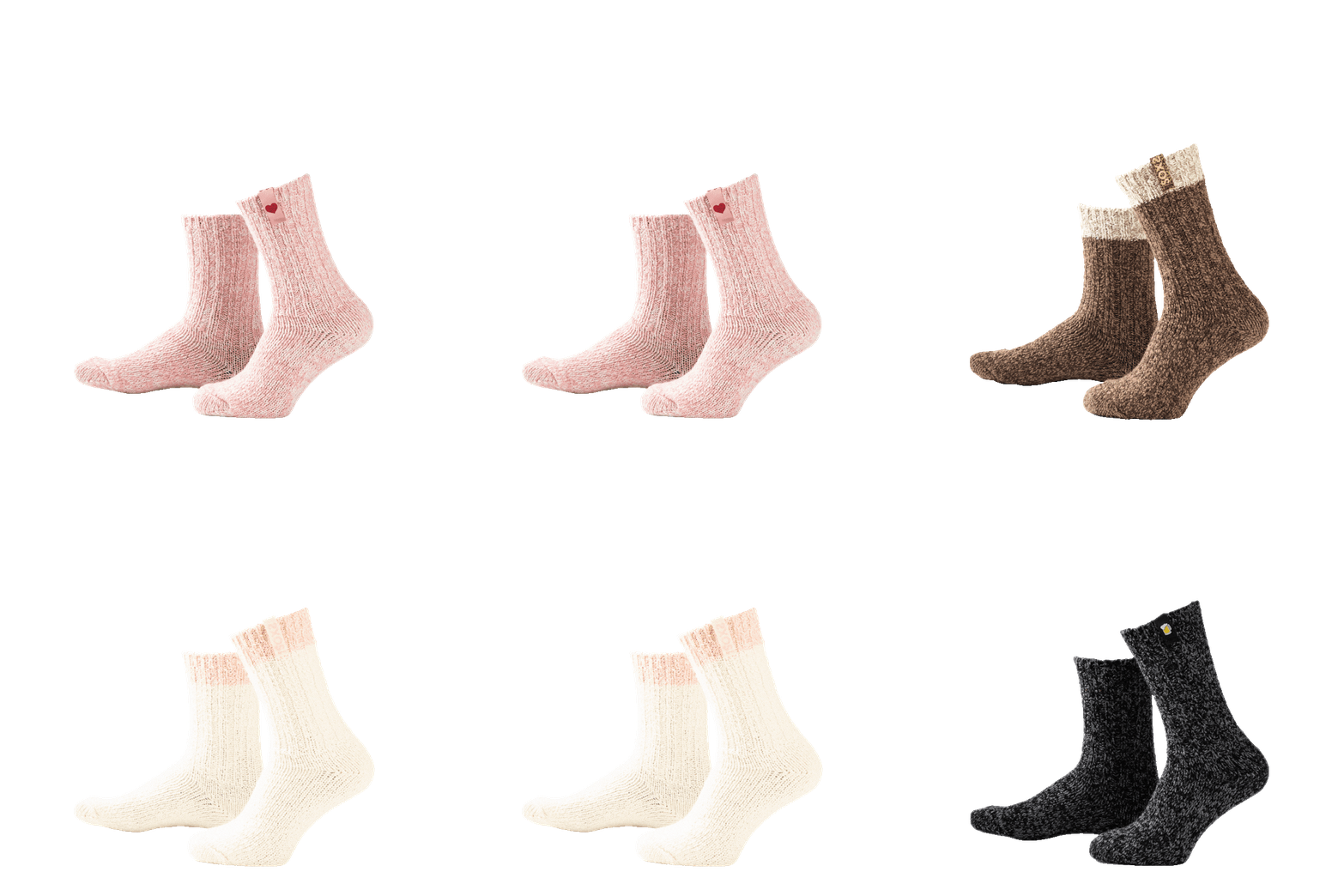
Soft warm premium wool socks
Gift ready, stylishly packaged
Orders placed before 1:00 PM will be shipped today (on weekdays) PLEASE NOTE: The delivery time of Pimp My Soxs is 5 working days!

Wool socks can significantly help with diabetic foot problems by providing superior moisture management, breathability, and gentle cushioning. Natural wool fibres wick away moisture more effectively than synthetic materials, reducing the risk of bacterial infections and skin complications that people with diabetes must carefully avoid. The soft, non-restrictive fit of quality wool socks also supports healthy circulation without creating pressure points.
People with diabetes need special attention to foot health because high blood sugar levels can damage nerves and reduce blood circulation over time. This creates a dangerous combination where you might not feel injuries when they occur, and wounds heal more slowly due to poor circulation.
Nerve damage, called diabetic neuropathy, affects your ability to sense pain, temperature, and pressure in your feet. You could step on something sharp or develop a blister without realising it. Meanwhile, reduced blood flow means your body struggles to fight infections and repair damaged tissue effectively.
Small problems can quickly become serious complications. A minor cut or blister that might heal easily for others can develop into an ulcer or severe infection for someone with diabetes. This is why choosing the right footwear and socks becomes an important part of your daily health routine, not just a comfort consideration.
Daily foot care helps prevent these complications by maintaining healthy skin conditions, supporting proper circulation, and reducing moisture that can lead to bacterial or fungal growth.
Wool naturally wicks moisture away from your skin and allows it to evaporate through the fabric, keeping your feet dry throughout the day. This moisture-wicking property is particularly important for diabetic foot care because damp conditions create the perfect environment for harmful bacteria and fungi to thrive.
Unlike synthetic materials that can trap sweat against your skin, wool fibres have a unique structure that absorbs moisture vapour and moves it away from your feet. The protein structure of wool also naturally resists odour-causing bacteria, providing an additional layer of protection.
Wool’s breathability means air can circulate around your feet, preventing the stuffy, damp conditions that often lead to athlete’s foot or other fungal infections. This natural temperature regulation also prevents overheating, which can cause excessive sweating and skin irritation.
For people with diabetes, maintaining dry, healthy skin on the feet reduces the risk of cracks, sores, and infections that can lead to serious complications. Wool socks provide this protection naturally, without requiring special treatments or synthetic moisture-wicking technologies.
Natural wool fibres provide superior breathability and moisture management compared to most synthetic materials, which tend to trap heat and moisture against your skin. Wool also offers natural antimicrobial properties that synthetic fibres typically lack, helping prevent bacterial growth that can cause infections.
Synthetic socks often feel clammy after extended wear because they don’t absorb and release moisture as effectively as wool. This can create the damp conditions that people with diabetes need to avoid. Many synthetic materials also generate static electricity and can feel rough against sensitive skin.
However, modern wool blends combine the best of both worlds. Quality wool socks often include a small percentage of synthetic fibres like polyamide, which adds durability and helps the sock maintain its shape without sacrificing wool’s natural benefits.
Temperature regulation is another key difference. Wool naturally adapts to your body temperature, keeping feet warm when it’s cold and cool when it’s warm. Synthetic materials typically don’t offer this adaptive quality, which can lead to overheating or cold feet.
The comfort factor also differs significantly. Well-made wool socks feel soft and cushioning against your skin, while many synthetic options can feel scratchy or create pressure points that people with reduced sensation might not notice until problems develop.
Wool socks can support healthy circulation through their natural elasticity and non-restrictive fit, though they don’t directly improve blood flow. Quality wool naturally stretches and moves with your feet without creating tight bands or pressure points that could restrict circulation.
The key is choosing wool socks with proper construction and fit. Look for socks that feel snug but not tight, with gentle compression that doesn’t leave marks on your legs. Wool’s natural elasticity means the socks will conform to your foot shape without binding or creating constriction points.
Many wool socks designed for foot health feature seamless toe construction and cushioned soles that reduce pressure points. This even distribution of pressure helps maintain comfortable blood flow throughout your feet and prevents the formation of hot spots that could develop into problems.
The moisture-wicking properties of wool also indirectly support circulation by preventing the swelling that can occur when feet become damp and overheated. Dry, comfortable feet are less likely to swell, which helps maintain healthy blood flow.
Remember that while proper socks support foot health, they’re just one part of diabetic foot care. Regular foot inspections, proper footwear, and following your healthcare provider’s advice remain the most important factors for maintaining healthy circulation.
Choose wool socks with seamless toe construction, cushioned soles, and a non-binding top that won’t restrict circulation. Look for socks made from high-quality wool blends that include a small percentage of synthetic fibres for durability while maintaining wool’s natural benefits.
The fit should be snug but never tight. Your socks should stay in place without sliding down or bunching up, but they shouldn’t leave marks on your skin or feel restrictive. Many quality wool socks are designed with natural elasticity that provides a comfortable fit without compression.
Avoid socks with thick seams, especially around the toe area, as these can create pressure points. The best diabetic-friendly wool socks feature flat seams or seamless construction that eliminates potential irritation points.
Cushioning placement matters too. Look for extra padding in the heel and forefoot areas where you need impact protection, but avoid overly thick socks that might make your shoes feel tight. The goal is comfortable protection without changing how your shoes fit.
Consider the wool blend carefully. Pure wool can sometimes feel scratchy, but modern wool blends with polyamide or similar synthetic fibres offer the benefits of wool without the potential for irritation. These blends also tend to be more durable and maintain their shape better after washing.
Check that the socks are machine washable and can withstand regular cleaning, as people with diabetes need to maintain excellent foot hygiene with fresh, clean socks daily.
Wash wool socks in cool water using a gentle wool detergent, either by hand or using your washing machine’s wool cycle. Never use hot water or put wool socks in the dryer, as heat can cause shrinkage and damage the natural fibres that provide moisture-wicking benefits.
For machine washing, use a maximum temperature of 30°C and a gentle spin cycle of no more than 600 revolutions per minute. Turn the socks inside out before washing to protect the outer surface and help them maintain their appearance longer.
Air dry your wool socks by laying them flat on a clean towel away from direct heat or sunlight. Hanging them can cause stretching, while heat sources like radiators or tumble dryers will damage the wool fibres and reduce their effectiveness.
Regular gentle washing actually helps maintain wool’s natural properties. The lanolin and other beneficial compounds in wool work best when the fibres are clean and free from built-up oils or debris.
Store clean, dry wool socks in a well-ventilated drawer or wardrobe. Avoid plastic bags or airtight containers, as wool needs to breathe. If you notice any small holes developing, repair them promptly to extend the life of your socks.
Replace wool socks when they show signs of thinning, lose their elasticity, or develop holes that can’t be easily repaired. For people with diabetes, maintaining the integrity of your socks is important for continued foot protection.
Quality wool socks are an investment in your foot health, especially when you have diabetes. The natural properties of wool including moisture-wicking, breathability, and gentle comfort provide important benefits that synthetic alternatives often can’t match. At SOXS, we understand how important proper foot care is, which is why our wool socks are designed with the perfect blend of New Zealand sheep’s wool and modern technology to give you all the benefits of wool without the drawbacks like itching or poor fit. Taking care of your feet starts with choosing the right socks, and wool offers the natural protection your feet deserve.