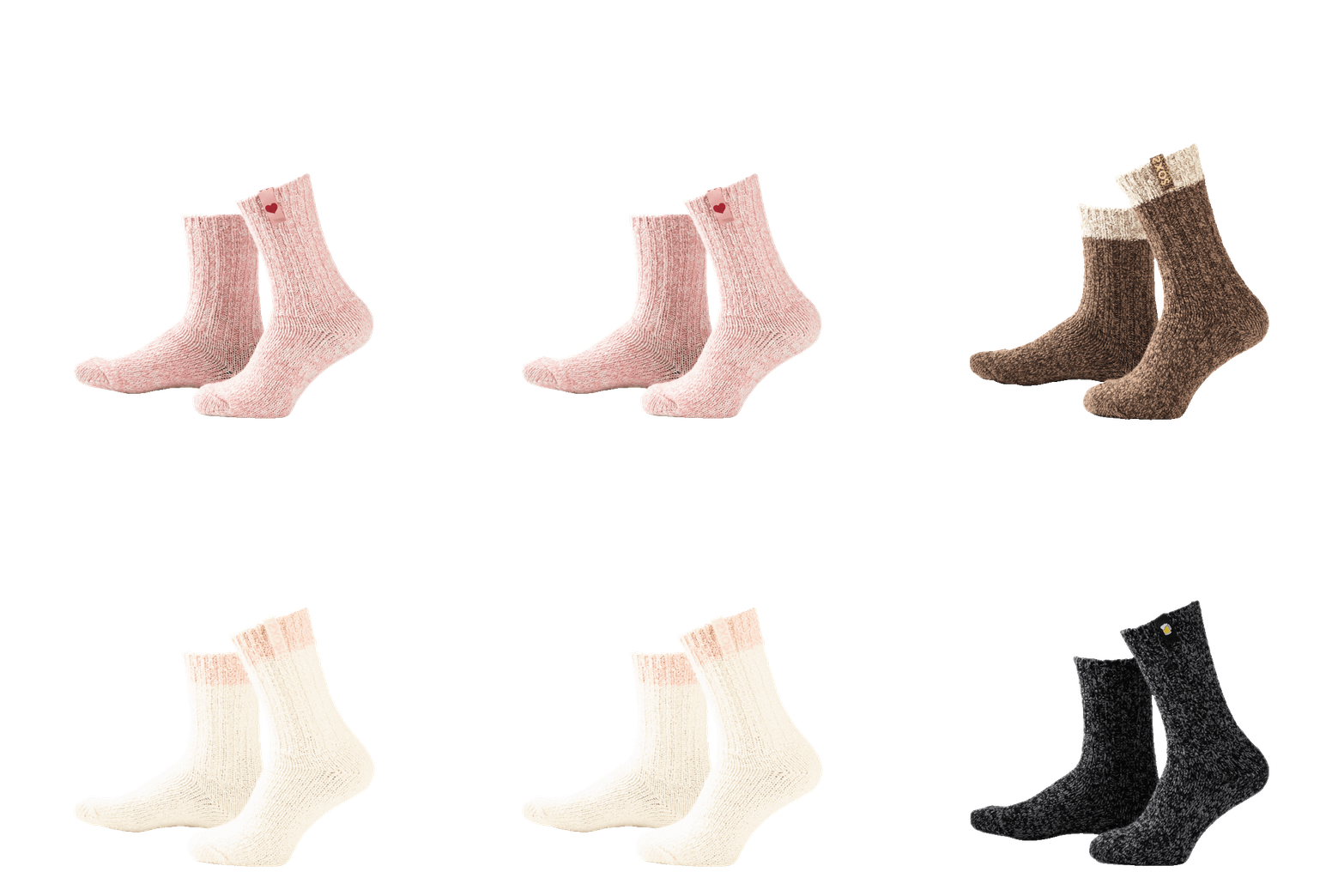
Soft warm premium wool socks
Gift ready, stylishly packaged
Orders placed before 1:00 PM will be shipped today (on weekdays) PLEASE NOTE: The delivery time of Pimp My Soxs is 5 working days!

Yes, wool socks help significantly with cold intolerance by providing superior insulation and moisture management that keeps feet warm and comfortable. Wool’s natural fibres trap warm air while wicking away moisture, creating an ideal microclimate for temperature regulation. The combination of wool’s insulating properties and breathability makes these socks particularly effective for people who struggle with persistently cold feet.
Cold intolerance is a condition where people feel excessively cold in temperatures that others find comfortable or only mildly cool. This sensitivity affects how your body regulates temperature and can make everyday activities uncomfortable when your extremities, particularly your feet, become persistently cold.
Several factors contribute to cold intolerance. Poor circulation is one of the most common causes, as reduced blood flow means less warm blood reaches your feet and hands. Medical conditions like anaemia, thyroid disorders, and diabetes can also affect your body’s ability to maintain proper temperature regulation.
Individual differences in body composition, metabolism, and even genetics play a role in how sensitive you are to cold temperatures. Some people naturally have a lower metabolic rate or less muscle mass, which affects heat production. Age can also be a factor, as circulation and metabolism often change over time.
Understanding your cold sensitivity helps you choose appropriate clothing and footwear. When your feet are consistently cold, it affects your overall comfort and can impact sleep quality, daily activities, and general wellbeing.
Wool socks work by trapping warm air in tiny pockets between the fibres whilst simultaneously moving moisture away from your skin. This dual action creates an insulating layer that maintains consistent foot temperature even in cold conditions.
The structure of wool fibres is naturally crimped and elastic, which creates countless small air spaces. These air pockets act as insulation, preventing heat loss from your feet whilst blocking cold air from reaching your skin. Unlike synthetic materials, wool maintains this insulating ability even when slightly damp.
Wool’s moisture-wicking properties are particularly important for warmth. When your feet sweat, wool absorbs the moisture and moves it away from your skin to the outer surface of the sock where it can evaporate. This prevents the cooling effect that occurs when moisture sits against your skin.
The fibres also have a unique ability to generate small amounts of heat through a process called adsorption. When wool absorbs moisture from the air or your skin, it releases tiny amounts of energy as heat, contributing to the warming effect you feel when wearing wool socks.
Wool outperforms cotton and most synthetic materials because it retains insulating properties when wet and naturally regulates temperature rather than simply blocking cold air. This makes wool socks more effective for extended cold weather wear.
Cotton socks lose their insulating ability when they become damp from perspiration or external moisture. Wet cotton actually draws heat away from your feet, making them feel colder. Cotton also lacks the natural crimp and elasticity that creates insulating air pockets.
Synthetic materials like polyester can provide some insulation, but they don’t breathe as effectively as wool. This means moisture builds up inside synthetic socks, leading to clammy feet that eventually become cold. Many synthetic fibres also lose their shape more quickly than wool.
Wool blends, particularly those combining sheep’s wool with a small percentage of polyamide or elastane, offer the best of both worlds. The wool provides natural insulation and moisture management, whilst the synthetic component adds durability and helps maintain the sock’s fit over time. These blends often eliminate the scratchy feeling some people associate with pure wool socks.
Wool socks support healthy circulation by maintaining consistent foot temperature, which helps blood vessels stay relaxed and allows better blood flow. When your feet are warm, your blood vessels don’t constrict as much in response to cold temperatures.
Cold temperatures cause blood vessels in your extremities to narrow, reducing blood flow to conserve heat for vital organs. This vasoconstriction makes your hands and feet feel even colder and can create a cycle where poor circulation leads to colder feet, which further reduces blood flow.
By keeping your feet consistently warm, wool socks help break this cycle. The steady temperature means your blood vessels can maintain normal diameter, allowing better circulation throughout your feet and toes. This improved blood flow brings more warm blood to your extremities.
The gentle compression that well-fitted wool socks provide can also support circulation without being restrictive. Unlike tight synthetic socks that might impede blood flow, quality wool socks maintain their elasticity and provide supportive comfort that works with your natural circulation patterns.
Merino wool socks with a blend of wool and synthetic fibres offer the best combination of warmth, comfort, and durability for people with cold sensitivity. This blend provides excellent insulation without the scratchiness of pure wool.
Merino wool is finer and softer than regular wool, making it more comfortable against sensitive skin. The smaller fibre diameter means better moisture management and temperature regulation. Merino wool also has natural antibacterial properties that help prevent odours during extended wear.
Thickness matters for cold intolerance. Medium to thick wool socks provide more insulation than thin dress socks, but avoid socks so thick that they make your shoes tight. Restricted circulation from overly tight footwear defeats the purpose of warm socks.
Sock height can also impact warmth. Crew or knee-high wool socks provide more coverage and prevent cold air from reaching your ankles and lower legs. Look for socks with cushioning in the heel and toe areas for additional comfort and insulation where you need it most.
Hand washing or using a gentle wool cycle with cool water and wool-specific detergent preserves the fibres’ natural structure and insulating properties. Proper care extends the life of wool socks whilst maintaining their effectiveness against cold feet.
Wash wool socks at a maximum temperature of 30°C to prevent shrinkage and fibre damage. Hot water causes wool fibres to contract and lose their natural crimp, reducing the air pockets that provide insulation. Use detergents designed for wool rather than standard laundry products.
Never put wool socks in the tumble dryer. The heat and agitation can cause irreversible shrinkage and damage the fibre structure. Instead, gently squeeze out excess water and lay the socks flat on a towel to air dry away from direct heat sources.
Store clean, dry wool socks in a breathable container or drawer. Avoid plastic bags, which can trap moisture and lead to mildew. Cedar blocks or lavender sachets can help deter moths, which are attracted to natural wool fibres. Rotating between multiple pairs allows each pair to fully dry and recover their shape between wears.
If you struggle with cold intolerance, investing in quality wool socks can make a significant difference to your daily comfort. The natural properties of wool work with your body’s temperature regulation system to keep your feet warm and comfortable throughout the day. At SOXS, we combine traditional New Zealand sheep’s wool with modern technology to create socks that provide all the benefits of wool without the disadvantages, making them suitable even for people who are typically sensitive to wool fibres.