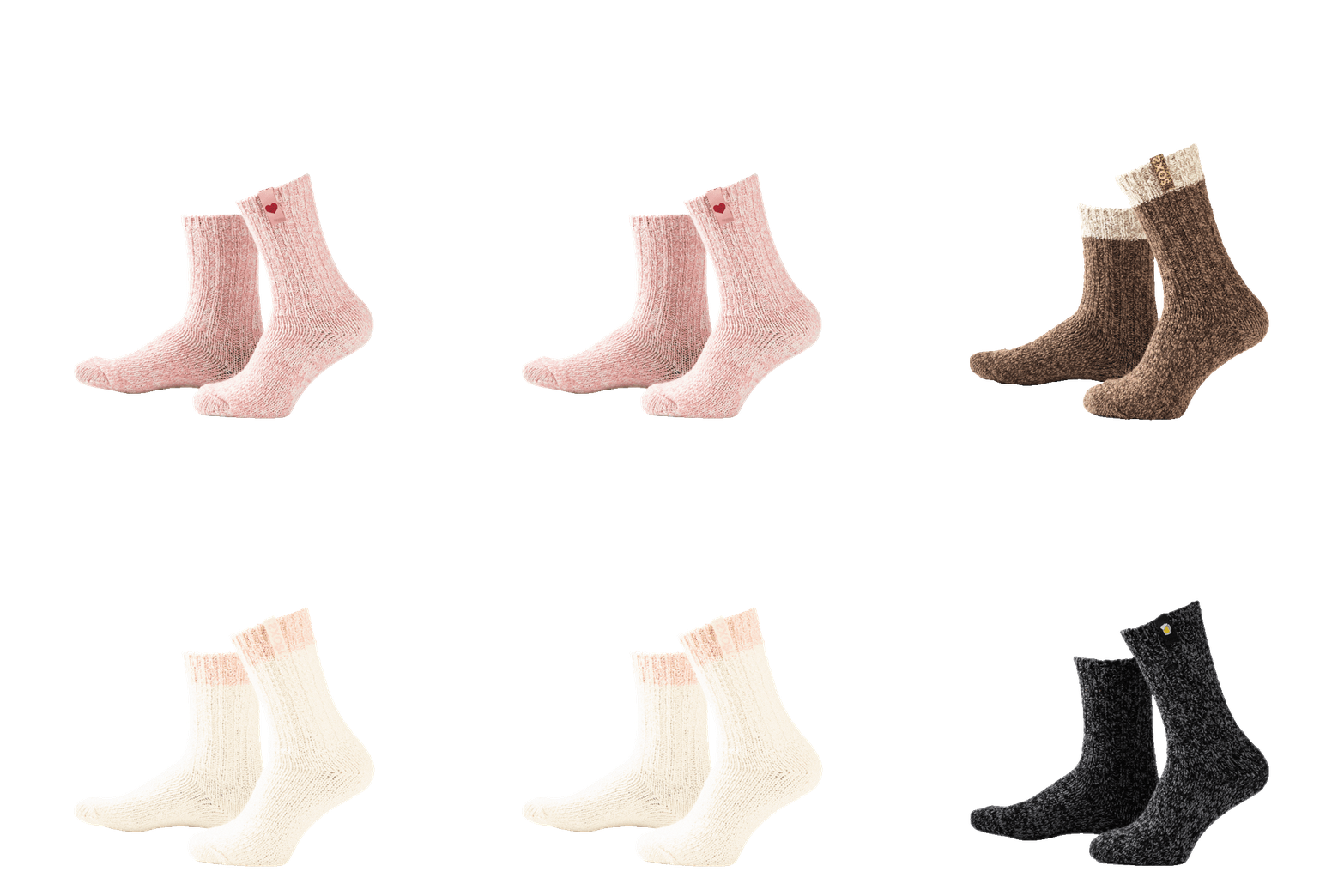
Soft warm premium wool socks
Gift ready, stylishly packaged
Orders placed before 1:00 PM will be shipped today (on weekdays) PLEASE NOTE: The delivery time of Pimp My Soxs is 5 working days!

Yes, wool socks can significantly help with chronic foot pain by providing superior moisture management, natural cushioning, and temperature regulation compared to synthetic materials. The natural properties of wool fibres create a more comfortable environment for sensitive feet, reducing friction and pressure points that often worsen ongoing foot discomfort.
The material your socks are made from plays a surprisingly important role in managing chronic foot pain. When you’re dealing with ongoing foot discomfort, every small factor matters, and your choice of sock fabric can either support your comfort or make things worse.
Different materials interact with your feet in unique ways. Synthetic fabrics often trap moisture and create friction, whilst cotton tends to lose its shape quickly and provides minimal cushioning. Natural fibres like wool, however, work with your feet’s natural processes rather than against them.
The relationship between fabric choice and foot pain management comes down to three key factors: how well the material manages moisture, its ability to provide consistent cushioning, and whether it maintains comfort throughout extended wear. When these elements work together effectively, they create an environment that supports rather than aggravates sensitive feet.
Wool stands apart from synthetic materials and cotton because of its unique fibre structure and natural properties. Unlike synthetic fabrics that can feel clammy against your skin, wool naturally breathes and adapts to your body temperature throughout the day.
The microscopic structure of wool fibres creates tiny air pockets that provide natural insulation whilst allowing air circulation. This means your feet stay comfortable without overheating, which is particularly beneficial if you spend long hours on your feet or struggle with temperature regulation.
Cotton, whilst soft initially, tends to absorb moisture and hold onto it, creating a damp environment that can lead to blisters and increased friction. Synthetic materials often lack breathability entirely, trapping heat and moisture against your skin. Wool’s natural moisture-wicking abilities mean it pulls dampness away from your feet whilst maintaining its cushioning properties even when slightly damp.
Wool’s natural moisture-wicking properties work by absorbing moisture vapour from your skin and releasing it into the air around your foot. This process happens continuously, keeping your feet feeling dry and comfortable even during active periods.
When your feet stay dry, you reduce the risk of several problems that can worsen chronic foot pain. Excess moisture creates the perfect conditions for friction, which leads to hot spots and blisters. It also encourages bacterial growth, which can cause odour and skin irritation that adds to your discomfort.
The breathable nature of wool means air can circulate around your feet, preventing the stuffy, uncomfortable feeling you might experience with other materials. This circulation helps maintain a healthy environment for your skin, reducing the likelihood of developing additional foot problems that could compound your existing pain.
The natural structure of wool fibres creates excellent cushioning properties that can benefit people dealing with conditions like plantar fasciitis or general foot sensitivity. Each wool fibre has a crimped structure that creates natural elasticity and bounce-back, providing consistent support throughout the day.
This cushioning effect is particularly noticeable at pressure points where your feet make contact with your shoes. Wool’s natural padding helps distribute weight more evenly across your foot, reducing concentrated pressure that can trigger pain in sensitive areas.
Unlike synthetic padding that can compress over time, wool maintains its cushioning properties even after extended wear. The fibres naturally spring back to their original shape, ensuring consistent comfort from morning until evening. This reliability is particularly valuable if you’re managing chronic conditions that make your feet more sensitive to pressure changes.
Wool’s temperature regulation abilities make it uniquely suited for all-day wear. The natural properties of wool fibres allow them to respond to your body’s changing temperature needs, warming up when you’re cold and cooling down when you’re warm.
This adaptability means you won’t experience the hot spots or cold patches that can develop with other materials during extended wear periods. Your feet maintain a consistent, comfortable temperature that doesn’t distract from your daily activities or add to existing discomfort.
The elastic nature of quality wool also means your socks maintain their fit throughout the day. They won’t bunch up, slide down, or create pressure points that develop as synthetic materials lose their shape. This consistent fit reduces friction and maintains the supportive environment your feet need for optimal comfort.
When selecting wool socks specifically for foot pain management, merino wool often provides the best combination of softness and performance. Merino fibres are finer than regular wool, making them less likely to cause irritation whilst maintaining all the beneficial properties you need.
Look for socks with a blend that includes some synthetic fibres for durability, typically around 60% wool and 40% synthetic materials. This combination gives you wool’s natural benefits whilst ensuring your socks maintain their shape and last longer with regular wear.
Consider the thickness based on your specific needs and footwear. Medium-weight socks work well for most situations, providing cushioning without making your shoes feel tight. If you have particularly sensitive feet, look for socks with seamless toe construction to eliminate potential pressure points.
Pay attention to features like reinforced heels and toes, which extend the life of your socks, and ensure the socks have been treated to prevent itching. Quality wool socks should feel comfortable immediately without requiring a break-in period.
| Feature | Benefit for Foot Pain | What to Look For |
|---|---|---|
| Wool Content | Natural cushioning and breathability | 50% to 70% wool content for optimal performance |
| Seamless Construction | Reduces pressure points and friction | Seamless toe area and minimal seaming |
| Cushioning Zones | Extra support where needed most | Heel and forefoot padding |
| Moisture Management | Prevents blisters and bacterial growth | Moisture-wicking properties clearly stated |
Choosing the right socks represents an important part of a comprehensive approach to managing chronic foot pain. Quality wool socks can provide the moisture management, cushioning, and temperature regulation that sensitive feet need for optimal comfort.
Remember that proper fit is just as important as material choice. Your socks should feel snug but not tight, with no bunching or sliding that could create friction points. The combination of the right material and proper fit creates the foundation for all-day comfort.
While wool socks can significantly improve your daily comfort, they work best as part of a broader foot care routine that includes appropriate footwear, regular foot care, and professional guidance when needed. The natural properties of responsibly sourced wool make it an excellent choice for anyone seeking sustainable, comfortable solutions for ongoing foot discomfort.
At SOXS, we understand how important proper foot comfort is for your daily wellbeing. Our wool socks combine traditional New Zealand sheep’s wool with modern technology to create socks that support your feet naturally, helping you move through your day with greater comfort and confidence.