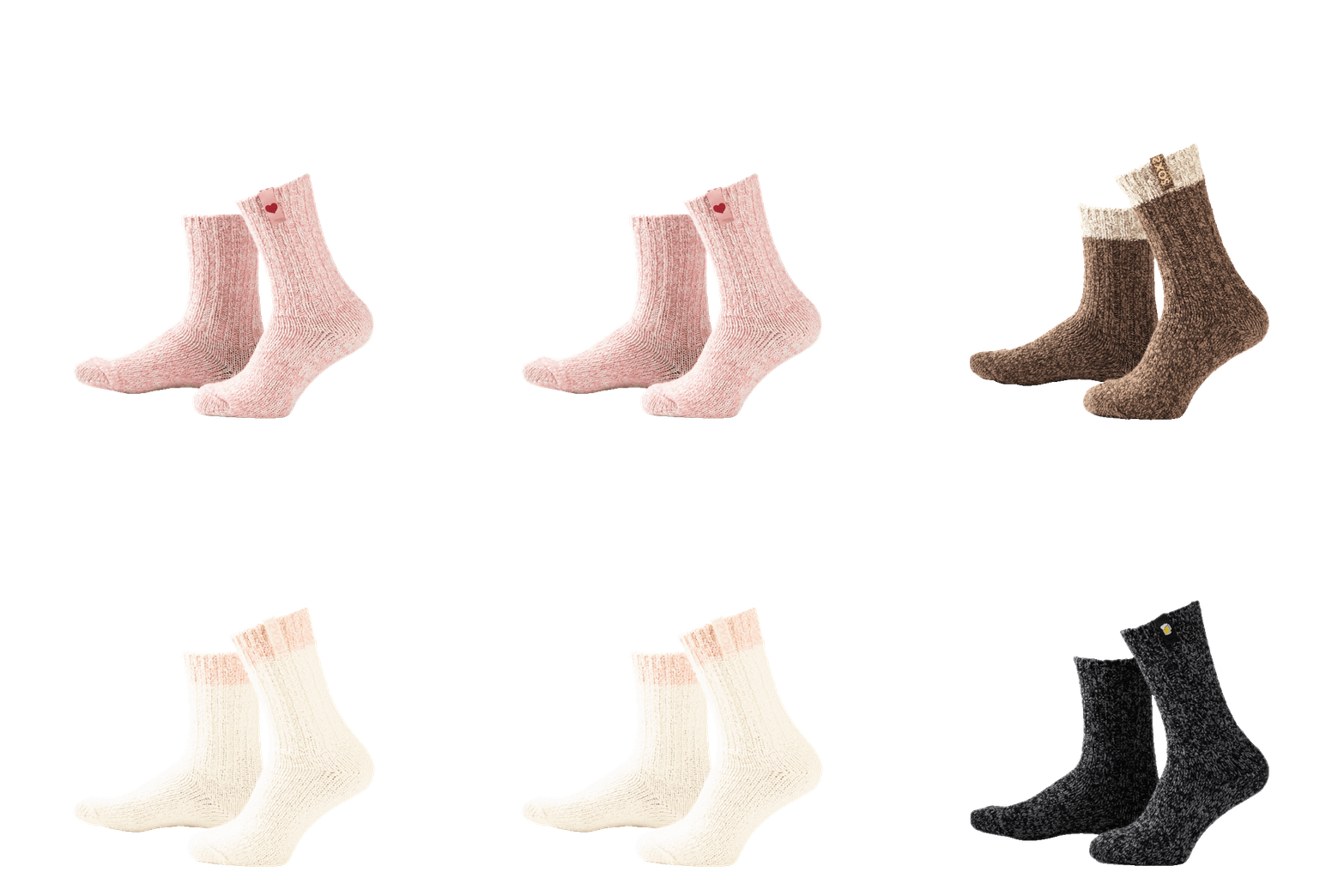
Soft warm premium wool socks
Gift ready, stylishly packaged
Orders placed before 1:00 PM will be shipped today (on weekdays) PLEASE NOTE: The delivery time of Pimp My Soxs is 5 working days!

Yes, wool socks can help with calluses on feet by reducing friction and moisture that contribute to callus formation. Wool’s natural properties create a protective barrier between your foot and shoe while wicking away moisture that softens skin and increases rubbing. The cushioning effect and temperature regulation of wool socks help prevent the pressure points and friction that lead to calluses developing in the first place.
Calluses form when your skin repeatedly experiences friction and pressure, causing it to thicken as a protective response. Your feet develop these hardened areas where shoes rub against high-pressure points like heels, balls of feet, and toes.
The wrong socks make this problem worse by creating additional friction layers. Cotton socks absorb moisture but don’t release it effectively, leaving your feet damp. This moisture softens your skin, making it more vulnerable to friction damage. Synthetic materials can create hot spots and don’t breathe well, leading to sweaty conditions that promote callus formation.
Poor-fitting socks bunch up inside shoes, creating new pressure points where none existed before. Seams in the wrong places rub against sensitive areas, while thin materials provide no cushioning between your foot and shoe.
The material composition of your socks directly affects how much protection they offer your feet. Natural fibres like wool create a different environment inside your shoes compared to synthetic alternatives, influencing whether calluses develop or worsen over time.
Wool socks prevent calluses through superior moisture management and natural cushioning properties. Wool fibres wick moisture away from your skin while allowing air circulation, keeping feet dry and reducing the skin softening that makes callus formation more likely.
The natural elasticity of wool creates a protective cushioning layer between your foot and shoe. This reduces direct pressure on vulnerable areas like heels and the balls of your feet. Unlike rigid synthetic materials, wool compresses and rebounds, absorbing impact with each step.
Temperature regulation plays a crucial role in callus prevention. Wool keeps your feet at a consistent temperature, preventing the excessive sweating that creates ideal conditions for skin breakdown. The fibres naturally adjust to your body temperature, staying cool in summer and warm in winter.
Wool’s natural antimicrobial properties help maintain healthier foot conditions. By preventing bacterial growth that thrives in moist environments, wool socks reduce the risk of skin irritation that can compound callus problems. The smooth texture of quality wool also reduces friction compared to rougher synthetic materials.
Wool outperforms synthetic materials through superior breathability and moisture management systems. While synthetic socks trap moisture against your skin, wool naturally wicks perspiration away and releases it into the air, maintaining optimal foot conditions for callus prevention.
The fibre structure of wool allows air to circulate freely, creating better ventilation than most synthetic alternatives. This breathability prevents the hot, moist environment where calluses develop more easily. Synthetic materials often create a plastic-like barrier that holds heat and moisture against your skin.
Wool possesses natural antimicrobial properties that synthetic materials lack. These properties inhibit bacterial and fungal growth, reducing foot odour and maintaining healthier skin conditions. Synthetic materials require chemical treatments to achieve similar effects, and these treatments wash out over time.
The comfort factor differs significantly between natural and synthetic fibres. Quality wool feels soft against skin and maintains its shape better than synthetic alternatives. It doesn’t develop the rough texture that synthetic socks often acquire after multiple washes, which can increase friction and callus risk.
Wool socks create an optimal healing environment for existing calluses by reducing further irritation and maintaining proper moisture levels. The natural cushioning properties protect callused areas from additional friction that would prevent healing or worsen the condition.
Proper moisture management accelerates callus healing by preventing the skin from becoming too dry or too wet. Overly dry calluses crack and become painful, while too much moisture softens them excessively, making them more prone to tearing. Wool maintains the ideal moisture balance for natural skin regeneration.
The gentle, smooth texture of quality wool reduces mechanical irritation to callused areas. Unlike rough synthetic materials or poorly constructed cotton socks, wool doesn’t scrape against hardened skin, allowing the natural healing process to proceed without interference.
Temperature regulation supports healing by improving blood circulation to affected areas. Better circulation delivers nutrients and oxygen needed for skin repair while removing waste products that can slow healing. Wool’s natural temperature control helps maintain optimal conditions for tissue regeneration.
Look for wool socks with seamless toe construction and cushioning in high-pressure areas like heels and forefoot. Seamless designs eliminate friction points that can create new calluses or irritate existing ones, while strategic cushioning provides extra protection where you need it most.
Choose socks with a wool blend rather than 100% wool for optimal performance. A combination of 60% wool with 40% synthetic fibres like polyamide provides wool’s natural benefits while adding durability and maintaining shape. This blend offers better elasticity and longer-lasting fit than pure wool alternatives.
Proper thickness matters for callus prevention. Medium-weight socks provide adequate cushioning without making shoes too tight, which could create new pressure points. Avoid overly thick socks that might cause your shoes to fit improperly, potentially worsening callus problems.
Select socks with proper sizing and compression levels. Well-fitted wool socks should feel snug but not tight, with enough stretch to accommodate foot swelling throughout the day. Look for socks that maintain their elasticity after washing to ensure consistent fit and protection over time.
Wash wool socks by hand or use a gentle wool cycle with cool water (maximum 30°C) and wool-specific detergent. Proper washing preserves the natural properties that make wool effective for callus prevention, including moisture-wicking ability and antimicrobial characteristics.
Never put wool socks in the tumble dryer, as heat damages the fibres and reduces their effectiveness. Instead, gently squeeze out excess water and lay them flat to dry away from direct heat sources. This preserves the natural elasticity and cushioning properties that protect against calluses.
Store clean wool socks in a breathable container or drawer, allowing air circulation to prevent moisture buildup. Avoid plastic bags or airtight containers that can trap humidity and potentially damage the fibres over time.
Rotate between multiple pairs of wool socks to extend their lifespan and maintain optimal foot health benefits. This allows each pair to fully dry and recover its shape between wears, ensuring consistent protection against callus formation. Replace wool socks when they lose their elasticity or develop holes that could create new friction points.
Quality wool socks represent a worthwhile investment in foot health and callus prevention. By choosing the right wool socks and caring for them properly, you create an environment that actively works against callus formation while supporting your feet’s natural healing processes. At SOXS, we understand how proper sock choice affects foot comfort and health, which is why our wool blend socks combine traditional New Zealand sheep’s wool with modern technology to deliver superior protection without the itch commonly associated with pure wool products.