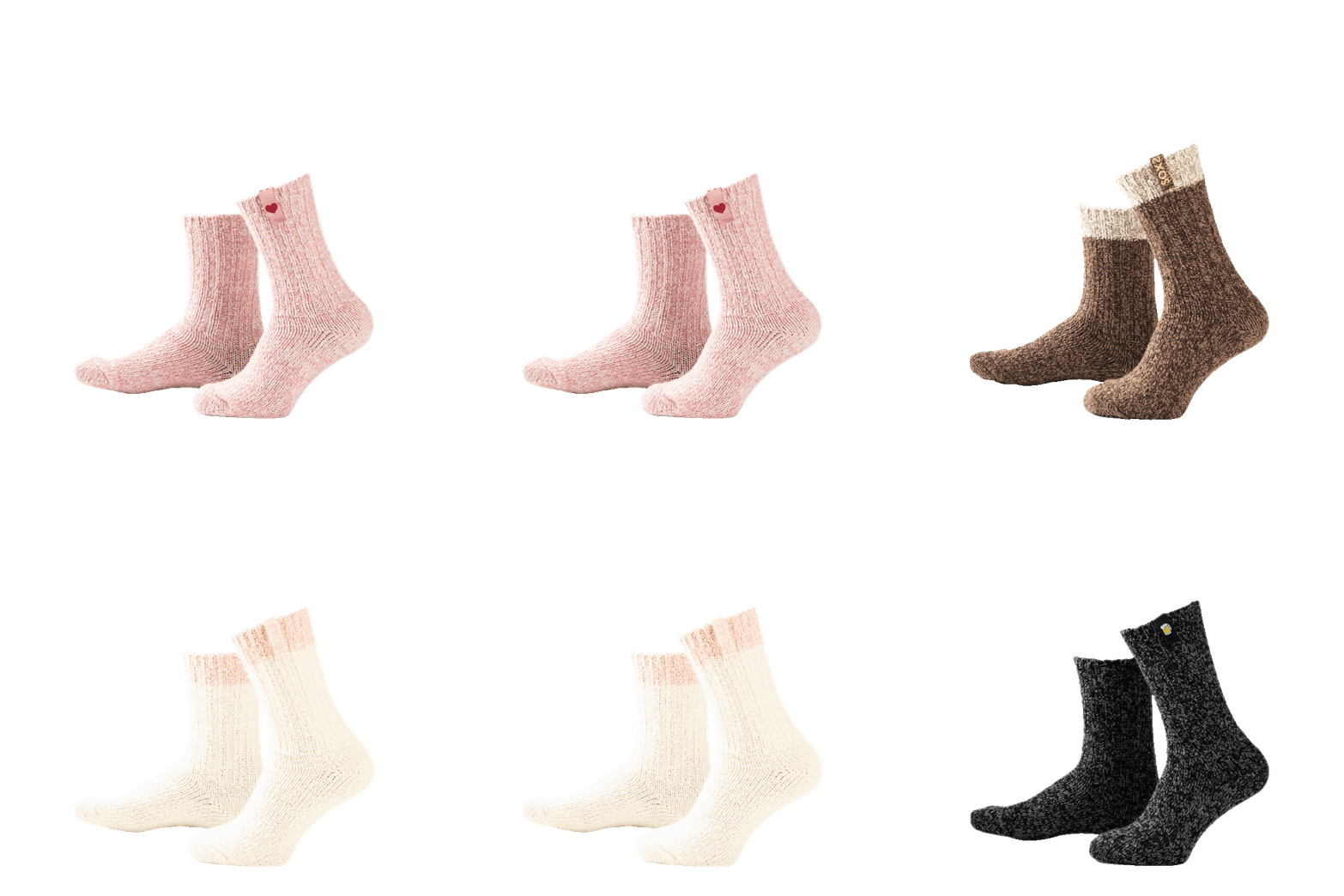
Soft warm premium wool socks
Gift ready, stylishly packaged
Orders placed before 1:00 PM will be shipped today (on weekdays) PLEASE NOTE: The delivery time of Pimp My Soxs is 5 working days!

Yes, wool socks can significantly reduce sweating compared to synthetic alternatives. Wool’s natural fiber structure creates excellent moisture-wicking properties that absorb sweat while maintaining breathability and temperature regulation. The fibers can absorb up to 30% of their weight in moisture without feeling damp, keeping your feet drier and more comfortable throughout the day.
Wool fibers work differently from synthetic materials because of their unique cellular structure. Each wool fiber contains tiny pores and scales that naturally absorb moisture from your skin while allowing air to circulate freely around your feet.
The magic happens at the microscopic level. Wool fibers can absorb moisture vapour from your skin and transport it away from your foot to the outer surface of the sock, where it evaporates. This process, called moisture-wicking, keeps your feet feeling dry even when you’re active or in warm conditions.
Temperature regulation is another key benefit. Wool naturally adapts to your body temperature, providing cooling when you’re warm and insulation when you’re cold. This prevents the excessive sweating that often occurs when your feet get too hot in poorly ventilated footwear.
Synthetic materials like polyester and nylon trap moisture against your skin rather than absorbing and wicking it away. These non-breathable fibers create a humid environment inside your shoes that encourages bacterial growth and increases sweat production.
Most synthetic socks are made from plastic-based fibers that don’t absorb moisture at all. When your feet perspire, the sweat has nowhere to go except to pool around your toes and create that uncomfortable, clammy feeling. This moisture buildup signals your body to produce even more sweat as it tries to cool down.
The fiber structure also matters. Synthetic materials often have a smooth surface that doesn’t create the air pockets needed for proper ventilation. Wool, on the other hand, has a naturally crimped structure that creates thousands of tiny air spaces, promoting airflow and moisture management.
Merino wool offers superior sweat control because its fibers are much finer than regular wool, creating enhanced breathability and moisture management. The smaller fiber diameter allows for better air circulation while maintaining excellent absorption properties.
The natural antibacterial properties of merino wool help control odour-causing bacteria that thrive in sweaty conditions. This means your feet stay fresher for longer, even during extended wear or physical activity.
Merino wool also feels softer against your skin compared to traditional wool, reducing irritation that can sometimes trigger increased sweating. The finer fibers create a smoother surface that moves comfortably with your foot throughout the day.
Additionally, merino wool maintains its moisture-wicking properties even when it becomes damp, unlike synthetic materials that lose effectiveness when wet. This consistent performance makes it ideal for people who experience persistent foot sweating.
Proper care preserves wool’s natural moisture-wicking properties and extends your socks’ performance. Hand washing or using a gentle wool cycle with wool-specific detergent maintains the fiber structure that makes moisture management possible.
Wash your wool socks in cool water (30°C maximum) and avoid harsh detergents that can damage the natural oils in wool fibers. These oils contribute to wool’s moisture-repelling properties, so preserving them maintains effectiveness.
Never put wool socks in the tumble dryer. Heat can shrink the fibers and reduce their ability to absorb and wick moisture. Instead, lay them flat to dry or hang them in a well-ventilated area away from direct sunlight.
Store your wool socks in a breathable environment rather than sealed plastic bags. This prevents moisture buildup that could compromise the fibers’ natural properties. Proper storage also helps maintain the sock’s shape and elasticity.
Choose wool socks whenever you need reliable moisture management, especially during physical activities, long workdays, or in varying temperatures. Wool excels in situations where your feet might experience temperature changes or extended periods in closed footwear.
For hiking and outdoor activities, wool socks prevent the blisters and discomfort that come from sweaty, damp feet. The natural temperature regulation keeps your feet comfortable whether you’re climbing uphill in warm weather or walking through cool morning conditions.
During winter months, wool socks provide warmth without causing overheating and excessive sweating. The natural breathability prevents the moisture buildup that can actually make your feet colder when sweat cools down.
For everyday office wear or working from home, wool socks maintain comfort throughout long days in shoes or slippers. The moisture-wicking properties prevent the stuffiness and odour that can develop with synthetic materials during extended wear.
Wool socks are particularly beneficial if you have naturally sweaty feet or conditions that affect circulation. The consistent moisture management and temperature regulation provide all-day comfort that synthetic alternatives simply can’t match.
Understanding wool’s natural advantages helps you make informed choices about foot comfort and health. At SOXS, we combine traditional New Zealand wool with modern technology to create socks that deliver superior moisture management without the itchiness often associated with wool products. Our blend of 60% high-quality sheep’s wool and 40% elastic polyamide provides optimal breathability while maintaining durability and fit.