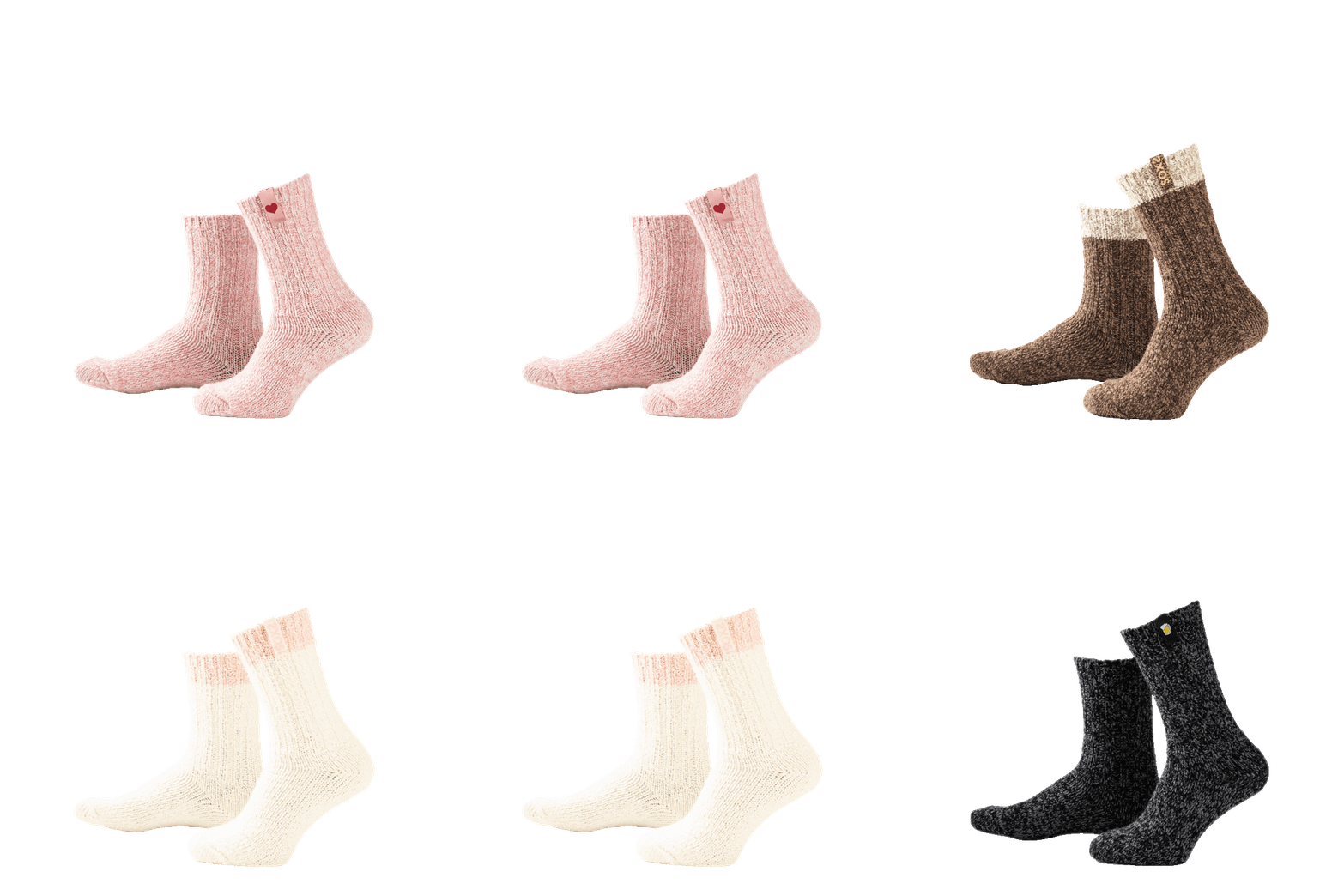
Soft warm premium wool socks
Gift ready, stylishly packaged
Orders placed before 1:00 PM will be shipped today (on weekdays) PLEASE NOTE: The delivery time of Pimp My Soxs is 5 working days!

Yes, wool socks can help reduce neuropathy pain through their natural temperature regulation, moisture-wicking properties, and gentle cushioning effects. Wool’s ability to maintain optimal foot temperature and prevent moisture buildup creates a more comfortable environment for sensitive neuropathic feet. The material’s natural elasticity also provides cushioning without restricting blood circulation, which can help alleviate discomfort associated with peripheral neuropathy symptoms.
Peripheral neuropathy is nerve damage that commonly affects the hands and feet, causing symptoms like tingling, burning sensations, sharp pain, and numbness. This condition disrupts normal nerve function, making your feet extremely sensitive to temperature changes, pressure, and fabric textures.
The nerve damage interferes with your body’s ability to properly sense temperature and pressure, which means your feet may feel uncomfortably cold or hot without warning. Many people with neuropathy experience increased pain when their feet become too warm or too cold, making temperature regulation particularly important for daily comfort.
Neuropathy also affects your mobility and balance. When you can’t properly feel your feet or experience constant pain, walking becomes challenging and potentially dangerous. The condition often worsens with poor circulation, making it important to choose footwear and socks that support healthy blood flow rather than restrict it.
Wool socks provide natural pain relief for neuropathy through temperature regulation, moisture management, and improved circulation. Wool naturally maintains optimal foot temperature, preventing the temperature fluctuations that often trigger neuropathy pain flare-ups.
The moisture-wicking properties of wool keep your feet dry, which reduces the risk of infections and skin irritation that can worsen neuropathy symptoms. Unlike synthetic materials that trap moisture, wool moves perspiration away from your skin while maintaining breathability.
Wool’s natural elasticity creates gentle compression without restricting blood flow. This is particularly beneficial for neuropathy sufferers because poor circulation often compounds nerve pain. The soft, cushioning effect of wool fibres also provides protection against pressure points that can trigger sharp pain in sensitive neuropathic feet.
The antimicrobial properties of wool help maintain foot hygiene, which is important when neuropathy affects your ability to detect cuts, blisters, or infections early. This natural protection reduces complications that could worsen your condition.
Wool outperforms cotton, synthetic, and bamboo materials for neuropathy relief because of its superior temperature regulation and moisture management. Cotton retains moisture against your skin, creating uncomfortable dampness that can worsen nerve sensitivity and increase infection risk.
Synthetic materials like polyester often trap heat and moisture, causing temperature spikes that trigger neuropathy pain. They also lack the natural cushioning properties that help protect sensitive nerve endings from pressure and friction.
While bamboo offers some moisture-wicking benefits, it doesn’t provide the same level of temperature stability as wool. Bamboo fibres can become less effective at moisture management when wet, whereas wool continues to regulate temperature even when damp.
Wool’s unique structure allows it to absorb up to 30% of its weight in moisture while still feeling dry to the touch. This means your feet stay comfortable even during temperature changes or increased activity levels that might cause sweating.
Merino wool socks with medium cushioning provide the best combination of softness, temperature regulation, and durability for neuropathy relief. Merino wool is finer and softer than regular wool, reducing any potential irritation on sensitive skin.
Look for socks with cushioning in the heel and toe areas, as these zones typically experience the most pressure and pain in neuropathy sufferers. Medium cushioning provides protection without making shoes feel too tight, which could restrict circulation.
Avoid compression socks unless specifically recommended by your healthcare provider. While some neuropathy patients benefit from light compression, others find it worsens their symptoms. The natural elasticity of wool provides gentle support without excessive pressure.
Choose socks with a blend of wool and a small percentage of synthetic fibres like polyamide. This combination maintains wool’s natural benefits while improving durability and fit retention. A 60% wool and 40% polyamide blend offers optimal performance for daily wear.
Hand washing or using a gentle wool cycle at 30°C maximum preserves wool’s natural properties that provide neuropathy relief. Use wool-specific detergent and avoid fabric softeners, which can coat the fibres and reduce their moisture-wicking abilities.
Never put wool socks in the tumble dryer, as heat damages the fibres and reduces their elasticity and temperature-regulating properties. Instead, lay them flat to dry away from direct heat sources or sunlight.
Wash your wool socks after every few wears rather than daily, as wool naturally resists odour and bacteria. This gentle washing schedule helps maintain the sock structure while keeping them hygienic for sensitive neuropathic feet.
Store clean wool socks in a dry, well-ventilated area. Proper storage prevents moisture buildup that could lead to mildew, which would compromise the antimicrobial properties that help protect your feet from infections.
Gentle foot exercises, proper footwear selection, and temperature therapy work alongside quality wool socks to provide comprehensive neuropathy pain management. Simple toe flexing and ankle rotations help maintain circulation and flexibility.
Choose shoes with adequate room for your toes and good arch support. Tight footwear can worsen neuropathy pain by restricting blood flow and creating pressure points. Your shoes should accommodate the thickness of wool socks without feeling cramped.
Alternate warm and cool foot soaks can help manage pain, but avoid extreme temperatures that could damage neuropathic skin. The temperature regulation provided by wool socks helps maintain this balance throughout the day.
Maintain consistent daily routines for foot care, including gentle massage and inspection for cuts or irritation. The combination of protective wool socks and attentive care helps prevent complications that could worsen your neuropathy symptoms.
Managing neuropathy pain requires a comprehensive approach that addresses both immediate comfort and long-term foot health. Quality wool socks provide natural pain relief through temperature regulation and improved circulation, while proper care and complementary treatments enhance these benefits. When you combine the right wool socks with appropriate footwear and gentle foot care routines, you create an environment that supports your comfort and mobility. At SOXS, we understand how important proper foot comfort is for managing neuropathy symptoms, which is why our humanely sheared wool socks are designed to provide the gentle support and natural temperature regulation that sensitive feet need.