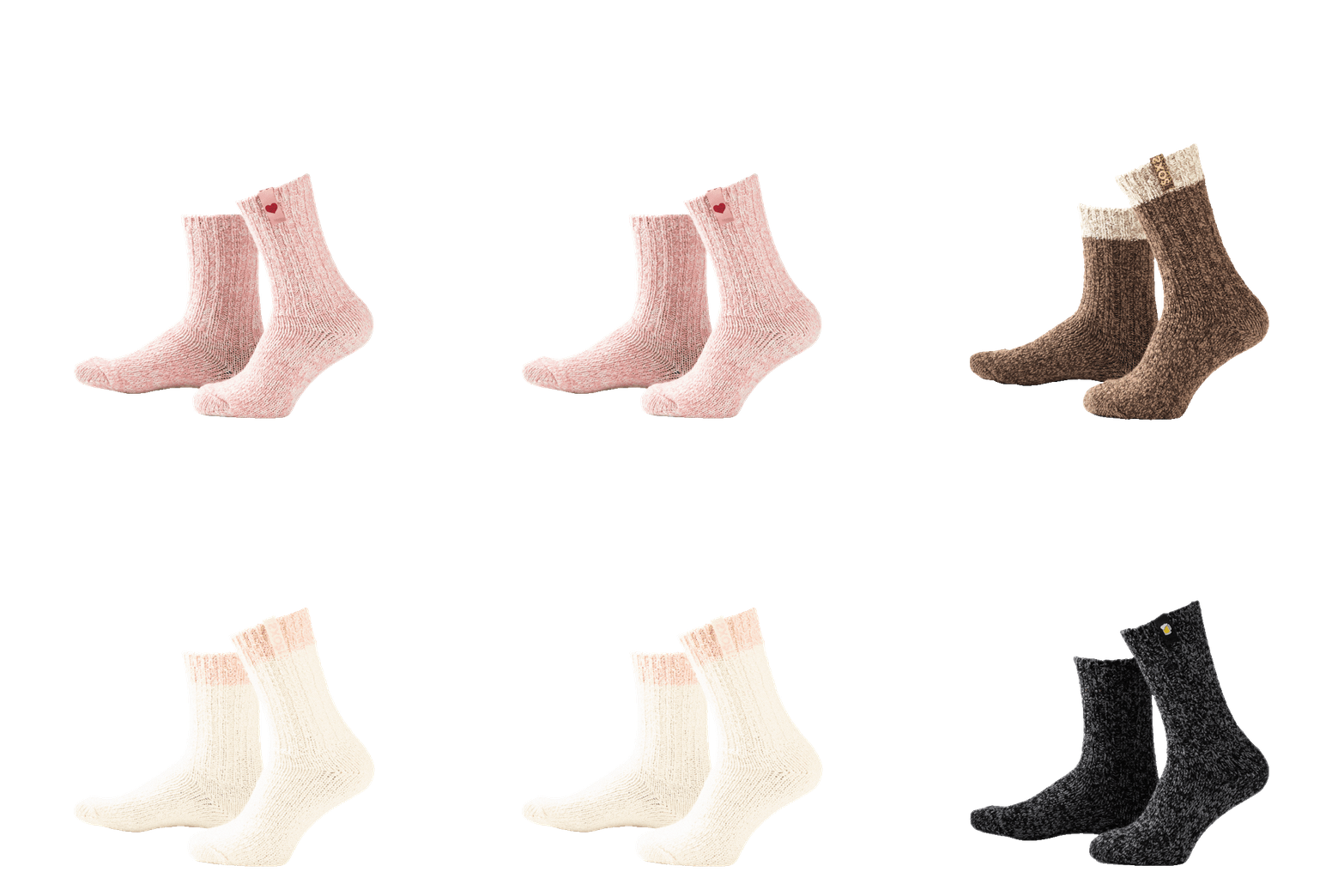
Soft warm premium wool socks
Gift ready, stylishly packaged
Orders placed before 1:00 PM will be shipped today (on weekdays) PLEASE NOTE: The delivery time of Pimp My Soxs is 5 working days!

Yes, wool socks can help prevent blisters when they fit properly and keep your feet dry. Wool’s natural moisture-wicking properties reduce the wet conditions that lead to blister formation, whilst its cushioning and temperature regulation minimise friction and hot spots. The key is choosing quality wool socks that maintain their shape and provide consistent comfort during activity.
Blisters form when repeated friction causes the top layer of skin to separate from deeper layers, creating a fluid-filled pocket. This process accelerates when your feet are wet, hot, or experiencing pressure from ill-fitting footwear or socks.
Your socks act as the crucial barrier between your skin and shoes. When socks bunch up, slide around, or become saturated with moisture, they create the perfect conditions for blisters. Cotton socks, for example, retain moisture and lose their shape when wet, whilst synthetic materials can trap heat and create friction points.
The material and construction of your socks directly influence three blister-causing factors: moisture retention, heat buildup, and friction creation. Quality wool socks address all these issues through their natural fibre structure, which absorbs moisture whilst maintaining breathability and shape retention.
Wool socks outperform cotton and many synthetic materials in blister prevention due to their superior moisture management, natural cushioning, and temperature regulation properties. Unlike cotton, which becomes heavy and loses shape when wet, wool maintains its structure and continues wicking moisture away from your skin.
Merino wool socks excel because the fibres can absorb up to 30% of their weight in moisture whilst still feeling dry to touch. This keeps your feet in the optimal environment for blister prevention. The natural crimp in wool fibres also creates tiny air pockets that provide cushioning and reduce pressure points.
Compared to synthetic materials, wool offers better temperature regulation. It keeps feet warm when cold and cool when warm, preventing the excessive sweating that contributes to blister formation. Many synthetic socks trap heat and moisture, creating the humid conditions where blisters thrive.
Quality wool blends, such as those combining wool with polyamide, offer the best of both worlds: wool’s natural benefits with enhanced durability and shape retention that prevents the bunching and sliding that causes friction.
Wool’s unique fibre structure actively transports moisture away from your skin through a process called wicking, whilst simultaneously allowing that moisture to evaporate through the sock’s breathable construction. This dual-action system keeps feet significantly drier than cotton or basic synthetic alternatives.
The science behind wool’s moisture management lies in its natural protein fibres. These fibres have a hydrophobic exterior that repels water and a hydrophilic interior that absorbs moisture. This means sweat moves through the fibre rather than sitting on your skin, reducing the softening effect that makes skin more susceptible to blisters.
Dry feet are important for blister prevention because wet skin becomes softer and more prone to damage from friction. When your feet stay dry, the skin maintains its natural protective barrier and resilience. Wool also naturally resists odour-causing bacteria, which thrive in moist environments, keeping your feet healthier during extended wear.
Quality wool socks maintain this moisture-wicking ability even during intense activity. The natural elasticity of wool fibres means the socks continue to fit properly and wick moisture effectively, rather than becoming saturated and losing their protective properties like cotton socks do.
Wool socks should fit snugly without being tight, with no bunching at the toes or heel and enough room to wiggle your toes comfortably. The sock should move with your foot rather than sliding independently inside your shoe, which creates the friction that leads to blisters.
Proper sizing means the heel cup sits correctly on your heel and the toe box doesn’t bunch up. When wool socks fit properly, they provide compression in key areas like the arch whilst offering cushioning at pressure points such as the heel and forefoot. This targeted support reduces movement and friction.
Look for wool socks with reinforced heel and toe areas, as these zones experience the most stress during activity. The elastic content in quality wool blends helps maintain consistent fit throughout wear, preventing the loosening that can cause bunching and hot spots.
Avoid socks that are too thick for your footwear, as this creates pressure points and reduces the space your feet need. Conversely, socks that are too thin may not provide adequate cushioning. The right thickness depends on your activity and shoe type: hiking boots can accommodate thicker socks than running shoes.
Choose wool socks for hiking, long walks, cold weather activities, and any situation involving extended foot stress where moisture management and cushioning are priorities. Wool excels during multi-hour activities and in temperature-variable conditions where other materials fail.
For hiking and outdoor activities, wool socks provide the moisture-wicking and temperature regulation needed during changing conditions. They’re particularly valuable for people with sweaty feet or those prone to blisters, as the natural antimicrobial properties help maintain foot health during extended wear.
People with sensitive skin often find wool blends more comfortable than synthetic materials, which can feel scratchy or trap heat. Quality wool socks are also excellent for everyday wear in colder months, providing blister prevention whilst keeping feet comfortable in various footwear.
However, consider synthetic moisture-wicking socks for very hot conditions or high-intensity sports where quick-drying properties outweigh wool’s temperature regulation benefits. Some people with wool allergies may need to stick with high-quality synthetic alternatives, though many find modern wool blends more tolerable than traditional all-wool socks.
Proper footwear fit, foot preparation, and gradual activity progression work together with quality wool socks to create comprehensive blister prevention. Even the best socks can’t compensate for shoes that are too tight, too loose, or inappropriate for your activity.
Your shoes should provide adequate room for your feet to swell during activity whilst maintaining support. Break in new footwear gradually, and consider using blister prevention products like moleskin or anti-friction balms on known problem areas before long activities.
Foot hygiene plays an important role: clean, dry feet in quality wool socks create the best environment for blister prevention. Trim toenails regularly to prevent pressure points, and consider using moisture-wicking liner socks under your wool socks for extra protection during very demanding activities.
Build up your activity level gradually to allow your feet to adapt. Even with perfect socks and shoes, sudden increases in walking or hiking distance can overwhelm your feet’s natural defences. Listen to your body and address hot spots immediately before they develop into full blisters.
Quality wool socks represent an investment in foot comfort and health. When you combine them with proper footwear, good foot care habits, and sensible activity progression, you create the best possible defence against blisters. At SOXS, we’ve developed wool sock blends that provide all these benefits without the traditional drawbacks of pure wool: no itching, better durability, and consistent fit that maintains blister protection throughout the day.