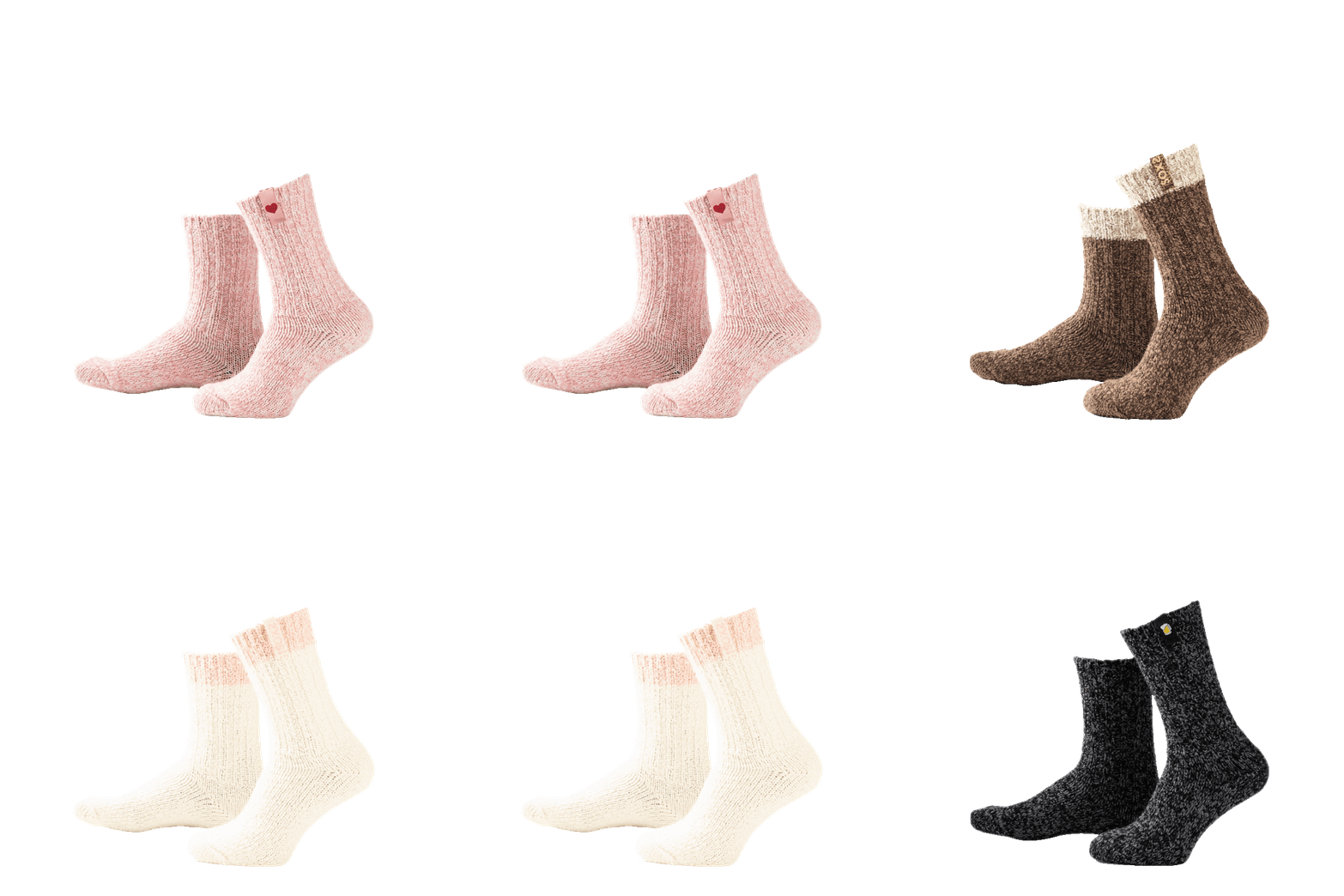
Soft warm premium wool socks
Gift ready, stylishly packaged
Orders placed before 1:00 PM will be shipped today (on weekdays) PLEASE NOTE: The delivery time of Pimp My Soxs is 5 working days!

Wool socks circulation benefits can indeed support your recovery during illness by maintaining proper warmth to your extremities. When you’re sick, your body redirects blood flow away from hands and feet to vital organs, making quality wool socks particularly valuable for maintaining comfort and supporting healthy circulation during the healing process.
When you’re ill, your body naturally prioritises blood flow to vital organs like your heart, lungs, and brain, reducing circulation to your extremities. This protective response often leaves your hands and feet feeling cold and uncomfortable, which can make recovery more challenging and affect your overall wellbeing.
Your immune system requires significant energy during illness, causing your body to conserve heat by constricting blood vessels in your arms and legs. This reduced blood flow means less oxygen and nutrients reach your extremities, often resulting in that familiar cold, uncomfortable feeling in your feet when you’re unwell.
Poor circulation during illness can also slow the removal of metabolic waste products from your tissues. When your feet stay cold, the reduced blood flow makes it harder for your body to transport healing nutrients and remove toxins efficiently, potentially prolonging your recovery time.
Keeping your feet warm becomes particularly important during illness because comfortable extremities help your body maintain better overall temperature regulation. When your feet are warm, your body doesn’t need to work as hard to maintain core temperature, allowing more energy to focus on fighting infection and healing.
Wool socks provide superior circulation support compared to cotton or synthetic materials because wool naturally regulates temperature while maintaining breathability. Unlike cotton, which loses insulating properties when damp, wool continues to provide warmth even when it absorbs moisture from your feet.
The unique structure of wool fibres creates tiny air pockets that trap warm air close to your skin whilst allowing moisture to move away from your feet. This temperature regulation prevents the overheating that can occur with synthetic materials, which often trap heat without allowing proper ventilation.
Cotton socks become problematic during illness because they retain moisture against your skin, creating cold, damp conditions that further reduce circulation. Synthetic materials may provide some warmth but often cause overheating followed by rapid cooling when removed, creating temperature fluctuations that don’t support steady circulation.
High quality wool blends, such as those combining New Zealand sheep’s wool with polyamide, offer the perfect balance of natural temperature regulation and durability. This combination provides wool’s natural benefits whilst maintaining shape and reducing the itchiness often associated with pure wool socks.
Wool socks support improved blood flow by maintaining optimal foot temperature, which encourages blood vessels to remain dilated rather than constricted. When your feet stay consistently warm, your blood vessels don’t need to restrict flow to conserve heat, promoting healthier circulation throughout your recovery.
The science behind this is straightforward: warm temperatures cause blood vessels to dilate (vasodilation), whilst cold temperatures cause them to constrict (vasoconstriction). By maintaining steady warmth around your feet, wool socks help keep your blood vessels in a more relaxed, open state that supports better circulation.
Wool’s moisture wicking properties also contribute to circulation benefits by preventing the dampness that can cause rapid cooling. When your feet stay dry and warm, you avoid the circulation restricting effects of cold, wet conditions that commonly occur with other sock materials.
The gentle compression that well fitted wool socks provide can also support circulation without being restrictive. Quality wool socks maintain their shape and elasticity, providing consistent, comfortable support that doesn’t impede blood flow like poorly fitted socks might.
Choose wool socks with a blend of natural wool and synthetic fibres for optimal comfort during illness recovery. Look for socks made from high quality sheep’s wool combined with polyamide or similar synthetic material, which provides warmth without itchiness whilst maintaining proper fit during extended wear.
Proper fit becomes particularly important during illness when you may be spending more time in bed or sitting. Select socks that provide gentle compression without being tight, as overly restrictive socks can actually impede the circulation you’re trying to support. One size designs with good elasticity often work well for this purpose.
Consider cushioning levels based on your activity during recovery. If you’re primarily resting, medium cushioning provides comfort without bulk. For those who remain moderately active during illness, additional cushioning in heel and toe areas can provide extra comfort for walking around the house.
Look for wool socks specifically designed to be itch free, as sensitive skin during illness can make traditional wool uncomfortable. Modern wool processing techniques create fibres that provide all of wool’s benefits without the scratchy feeling that might disturb your rest during recovery.
Moisture regulating properties are particularly important during illness when your body temperature may fluctuate. Choose socks that actively wick moisture away whilst maintaining warmth, helping you stay comfortable whether you’re experiencing chills or mild fever.
Wash wool socks by hand or use a gentle wool programme at maximum 30°C to preserve their natural properties that support circulation. Use wool specific detergent and avoid fabric softeners, which can damage wool fibres and reduce their temperature regulating abilities.
Never put wool socks in the tumble dryer, as high heat can shrink the fibres and destroy their elasticity. Instead, gently squeeze out excess water and lay them flat to dry away from direct heat sources. This preserves the sock’s shape and maintains the proper fit needed for circulation support.
When machine washing, use a maximum spin cycle of 600 revolutions per minute to prevent damage to the wool fibres. Higher spin speeds can stretch and distort the socks, potentially creating pressure points that could impede circulation rather than support it.
Store clean wool socks in a dry, well ventilated area to prevent moisture buildup that could damage the fibres. Proper storage maintains the wool’s natural properties and ensures your socks continue providing optimal circulation support throughout their lifespan.
Regular gentle washing actually helps maintain wool’s beneficial properties by removing oils and debris that can reduce breathability. Clean wool socks perform better at moisture regulation and temperature control, both important factors for supporting healthy circulation.
Quality wool socks can provide circulation support for years when properly cared for, making them a worthwhile investment in your comfort during illness and recovery. At SOXS, we understand how important proper foot warmth is for your wellbeing, which is why our humanely sheared wool socks are designed to provide lasting comfort and circulation support when you need it most.