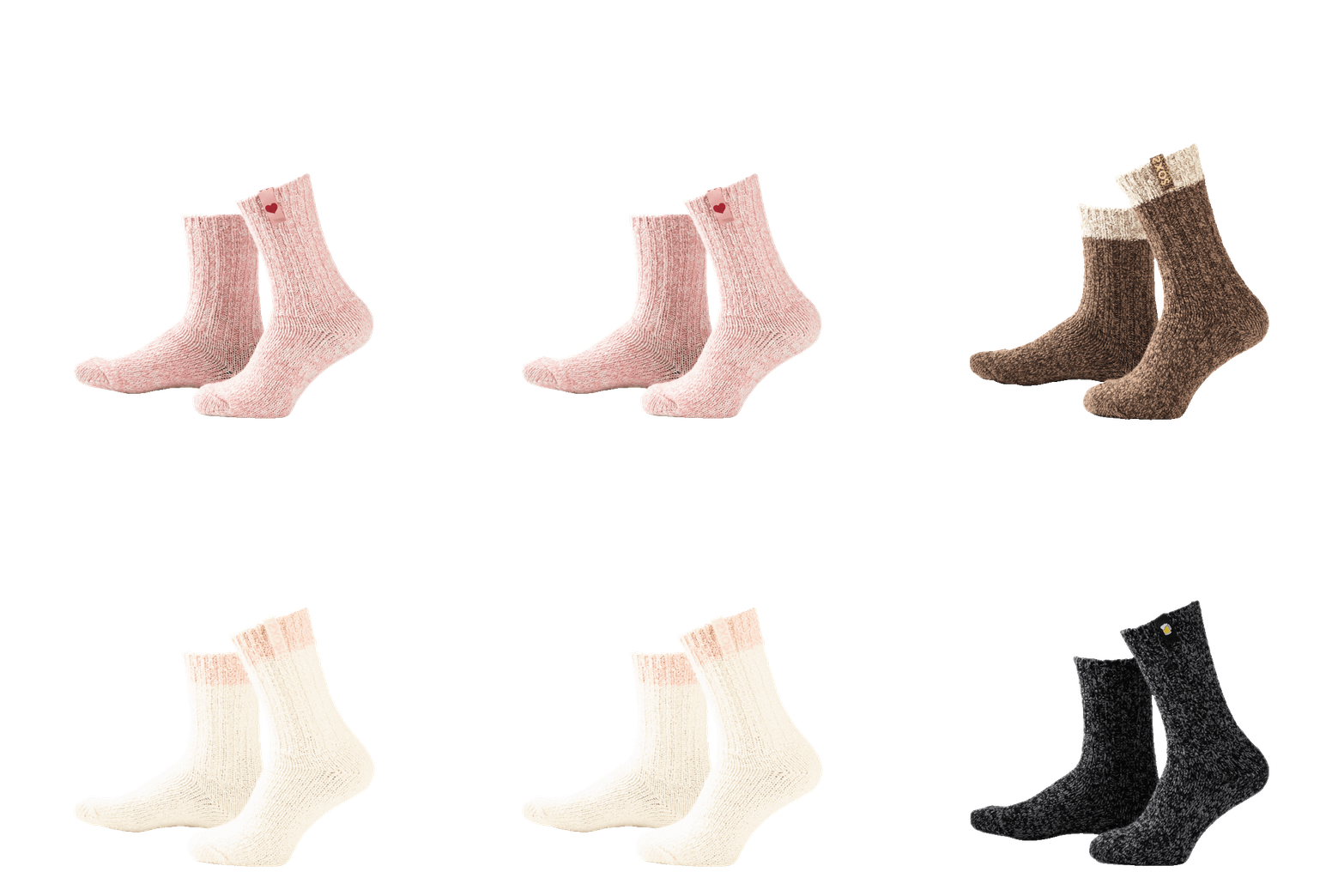
Soft warm premium wool socks
Gift ready, stylishly packaged
Orders placed before 1:00 PM will be shipped today (on weekdays) PLEASE NOTE: The delivery time of Pimp My Soxs is 5 working days!

Yes, wool socks can improve blood circulation by maintaining optimal foot temperature and managing moisture. Wool’s natural thermoregulation properties help prevent the constriction that occurs when feet get too cold, whilst its breathable fibres reduce moisture buildup that can impair circulation. The material supports healthy blood flow through temperature stability rather than providing compression-style circulation benefits.
Your feet receive blood through a network of arteries that branch down from your heart, carrying oxygen and nutrients to tissues. The blood then returns through veins, working against gravity with help from muscle contractions and one-way valves that prevent backflow.
Temperature plays a major role in foot circulation. When your feet get cold, blood vessels constrict to preserve core body heat, reducing blood flow to extremities. This natural response can leave feet feeling cold, numb, or tingly. Movement helps pump blood back up through your legs, which is why sitting or standing still for long periods can worsen circulation issues.
Your feet are particularly vulnerable to circulation problems because they’re furthest from your heart and rely heavily on muscle activity to push blood back up. External factors like tight footwear, poor sock materials, and temperature extremes can all impact how well blood flows to and from your feet throughout the day.
Wool naturally regulates temperature better than cotton or synthetic materials, keeping feet warm without overheating. This temperature stability helps maintain steady blood flow by preventing the vessel constriction that happens when feet get cold.
Cotton absorbs moisture but doesn’t release it effectively, creating damp conditions that can cool your feet and reduce circulation. Synthetic materials often trap heat and moisture, leading to overheating followed by rapid cooling. Wool fibres have a unique structure that wicks moisture away from skin whilst maintaining insulation, creating optimal conditions for healthy blood flow.
The natural elasticity of wool also matters for circulation. Unlike rigid synthetic fibres, wool moves with your foot and maintains its shape without becoming too tight or loose. This flexibility means wool socks are less likely to create pressure points that could restrict blood flow, whilst still providing the gentle support that aids circulation.
Properly chosen socks support circulation by maintaining optimal foot temperature and preventing moisture buildup, but they don’t actively increase blood flow like medical compression garments. The right sock material helps your circulatory system function normally rather than working against it.
When your feet stay at a comfortable temperature, blood vessels remain properly dilated, allowing normal circulation. Wool socks blood circulation benefits come from temperature regulation and they prevent the vasoconstriction that occurs with cold feet and avoid the moisture problems that can impair circulation.
However, it’s important to have realistic expectations. Socks can remove barriers to good circulation but won’t solve underlying medical conditions. If you have diabetes, peripheral artery disease, or other circulation disorders, proper medical treatment remains necessary. Good socks work as part of overall foot health, not as a medical intervention.
Choose socks made from moisture-wicking materials like wool that maintain consistent temperature without becoming restrictive. Look for seamless toe construction and cushioning in pressure-point areas to avoid restricting blood flow.
Material composition matters significantly for circulation support. A blend of natural wool with a small percentage of synthetic fibres often provides the best balance as the wool handles temperature and moisture regulation whilst synthetic fibres add durability and maintain fit. Avoid 100% cotton socks, which retain moisture and can become cold and clammy.
Fit is equally important as material. Socks should be snug but not tight, with no bunching or sliding that creates pressure points. Compression wool socks can help some people, but medical-grade compression should only be used under healthcare guidance. For most circulation concerns, focus on non-restrictive socks that support natural blood flow rather than trying to enhance it artificially.
Good circulation-supporting socks should keep your feet comfortable without leaving marks, causing numbness, or creating hot spots. Your feet should feel warm but not sweaty, and you shouldn’t notice pressure or tightness around your ankles or calves.
Watch for warning signs that indicate your socks might be restricting circulation. Deep sock marks that persist after removing socks, numbness or tingling during wear, or feet that feel colder when wearing socks than without them all suggest circulation problems. Socks that bunch up, slide down, or feel tight in certain areas can create pressure points that impair blood flow.
Positive signs include feet that stay warm and dry throughout the day, no visible marks from sock bands, and comfortable sensation during extended wear. You should be able to wiggle your toes freely, and your feet shouldn’t feel constricted when you move or flex them. If you’re unsure about fit, consider consulting a healthcare provider, especially if you have known circulation issues.
Regular movement throughout the day helps pump blood through your legs and feet, working alongside your socks’ temperature regulation benefits. Simple exercises like ankle circles, calf raises, and toe flexing can improve circulation when combined with proper footwear.
Elevating your feet when resting helps blood return to your heart more easily. Even 10 to 15 minutes with feet raised above heart level can improve circulation. Wool socks health benefits work best when combined with avoiding prolonged sitting or standing in one position.
Temperature management extends beyond your socks. Keep your overall body warm, as your circulatory system will prioritise core temperature over extremities. Stay hydrated, as proper blood volume supports good circulation. Avoid smoking and excessive caffeine, which can constrict blood vessels and counteract the benefits of circulation-supporting socks and lifestyle habits.
Good circulation starts with understanding how blood flows through your feet and choosing materials that support rather than hinder this natural process. Whilst the right socks won’t cure circulation problems, they can certainly help maintain the optimal conditions for healthy blood flow. At SOXS, we’ve designed our wool sock blend specifically to provide the temperature regulation and moisture management that supports comfortable, healthy feet throughout your day.