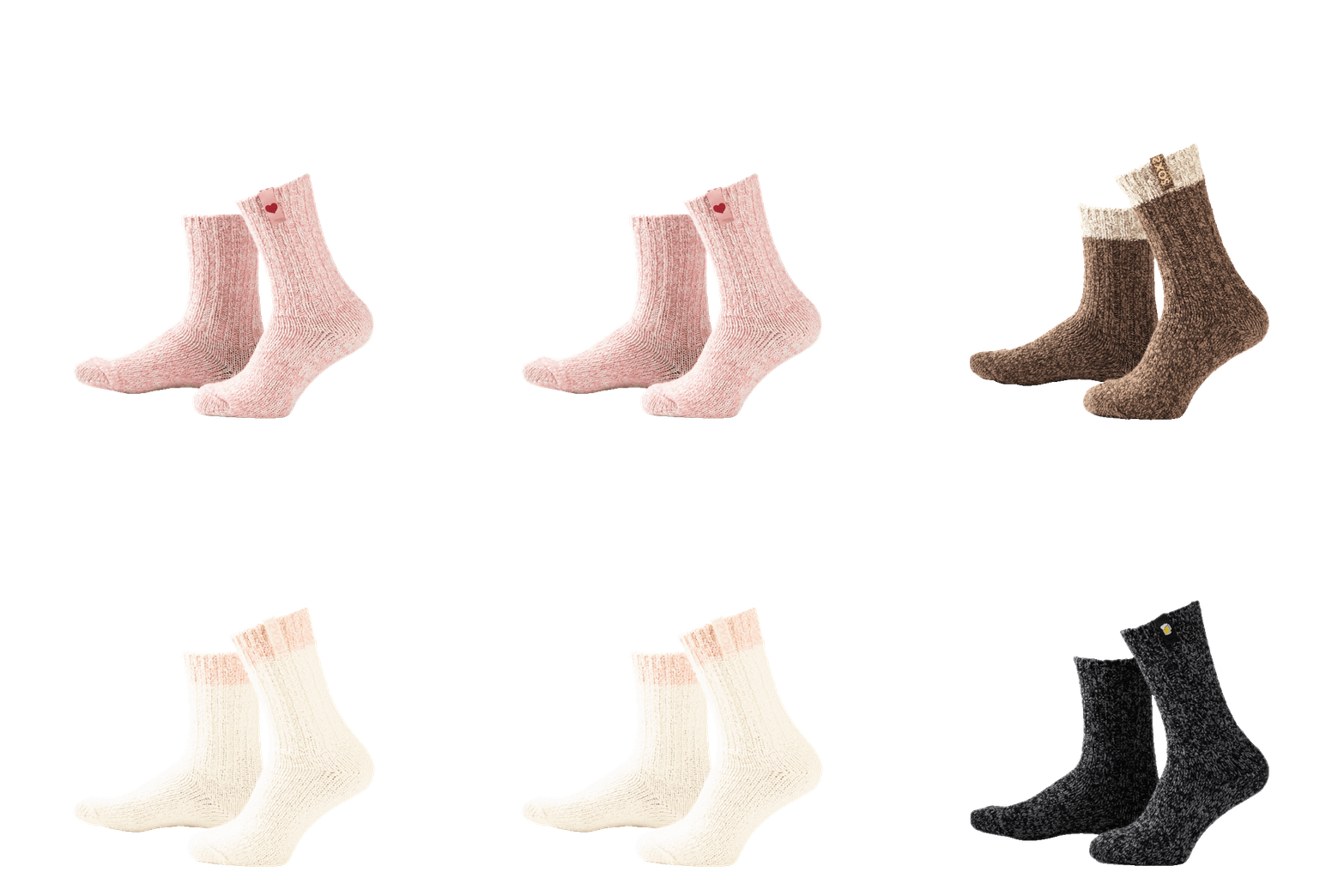
Soft warm premium wool socks
Gift ready, stylishly packaged
Orders placed before 1:00 PM will be shipped today (on weekdays) PLEASE NOTE: The delivery time of Pimp My Soxs is 5 working days!

Wool socks can contribute to faster healing by creating optimal conditions for tissue recovery. Natural wool fibres offer antimicrobial properties, superior moisture management, and gentle temperature regulation that support your body’s healing processes. The material’s breathability and natural compression help improve circulation whilst preventing bacterial growth around healing areas.
Wool possesses natural antimicrobial properties that actively inhibit bacterial growth, creating a cleaner environment around healing tissues. The lanolin present in wool fibres provides natural antibacterial protection, whilst the material’s moisture wicking abilities prevent the damp conditions where harmful bacteria typically thrive.
The temperature regulating qualities of wool help maintain consistent warmth around healing areas without causing overheating. This steady temperature supports optimal blood flow to injured tissues, which is important for delivering nutrients and oxygen needed for repair. Unlike synthetic materials, wool adjusts to your body temperature naturally, keeping healing areas comfortable throughout recovery.
Wool’s unique structure allows air to circulate freely whilst maintaining insulation. This breathability prevents the buildup of moisture and heat that can slow healing or create infection risks. The natural elasticity of quality wool also provides gentle, consistent support without restricting movement or circulation around healing tissues.
Wool socks enhance circulation through their natural compression properties and temperature regulation. The elastic quality of wool fibres provides gentle, consistent pressure that supports blood flow without restricting circulation like tighter synthetic materials might. This improved circulation helps deliver essential nutrients and oxygen to healing tissues more effectively.
The warming effect of wool causes blood vessels to dilate naturally, increasing blood flow to your feet and lower legs. This enhanced circulation reduces swelling around injured areas and helps remove metabolic waste products that can slow healing. The consistent warmth wool provides maintains this beneficial circulation throughout wear.
Quality wool socks made with proper blends offer less compression than standard cotton or synthetic socks whilst still providing support. This balance allows for better blood flow to healing tissues without the restriction that can impede recovery. The natural elasticity ensures the sock maintains its supportive properties without becoming too tight as swelling changes during healing.
Wool socks benefit various foot and ankle injuries through their combination of gentle compression, moisture management, and temperature control. For sprains and bruises, wool’s natural compression helps reduce swelling whilst its temperature regulation promotes healing blood flow. The antimicrobial properties also protect vulnerable skin from infection during recovery.
For plantar fasciitis sufferers, wool socks provide consistent warmth that helps relax tight fascia tissue whilst offering gentle support. The moisture wicking properties prevent the skin softening that can worsen foot problems, and the natural cushioning reduces pressure on sensitive areas. The breathability prevents the bacterial growth that could complicate healing.
Post surgical recovery benefits significantly from wool’s properties. The material’s gentleness won’t irritate sensitive healing skin, whilst its antimicrobial qualities provide natural protection against infection. The consistent temperature regulation helps maintain optimal healing conditions, and the moisture management prevents complications from dampness around surgical sites.
Wool socks offer superior breathability compared to synthetic materials, allowing better air circulation around healing tissues. Natural wool fibres create microscopic air pockets that regulate temperature and moisture more effectively than synthetic alternatives. This enhanced breathability prevents the buildup of bacteria and moisture that can slow healing or cause complications.
The antimicrobial properties of natural wool provide ongoing protection against bacterial growth, whilst synthetic materials typically lack these inherent protective qualities. Wool’s natural lanolin offers antibacterial benefits that synthetic fibres cannot replicate, making wool more suitable for extended wear during recovery periods when frequent sock changes might be difficult.
Moisture management differs significantly between materials. Wool can absorb up to 30% of its weight in moisture whilst still feeling dry, whereas synthetic materials often trap moisture against the skin. This superior moisture control prevents the damp conditions that encourage bacterial growth and can interfere with healing processes. Wool also maintains its insulating properties even when damp, unlike many synthetic alternatives.
Proper care of therapeutic wool socks during recovery requires gentle washing to preserve their healing properties whilst ensuring hygiene. Hand washing in cool water with wool specific detergent maintains the fibres’ natural antimicrobial and moisture wicking qualities. This gentle approach prevents damage to the delicate structure that provides therapeutic benefits.
If machine washing is necessary, use a wool programme at maximum 30°C with wool detergent and gentle spin cycle (maximum 600 rpm). Avoid fabric softeners as they can coat wool fibres and reduce their natural moisture wicking abilities. Never put wool socks in the dryer, as heat can shrink the fibres and destroy their therapeutic properties.
During recovery periods, having multiple pairs allows for proper rotation whilst maintaining hygiene. Air dry wool socks flat away from direct heat sources to preserve their shape and therapeutic qualities. Store clean, dry wool socks in breathable containers to prevent moisture buildup. Regular gentle washing maintains the antimicrobial properties whilst ensuring the socks remain hygienic for healing tissues.
Wool socks support faster healing through their unique combination of natural properties that create optimal conditions for tissue recovery. The antimicrobial protection, superior moisture management, and gentle compression work together to enhance circulation and prevent complications. When properly cared for, quality wool socks provide consistent therapeutic benefits throughout your recovery journey. At SOXS, we’ve developed wool sock blends that maximise these healing properties whilst ensuring comfort and durability for your recovery needs.