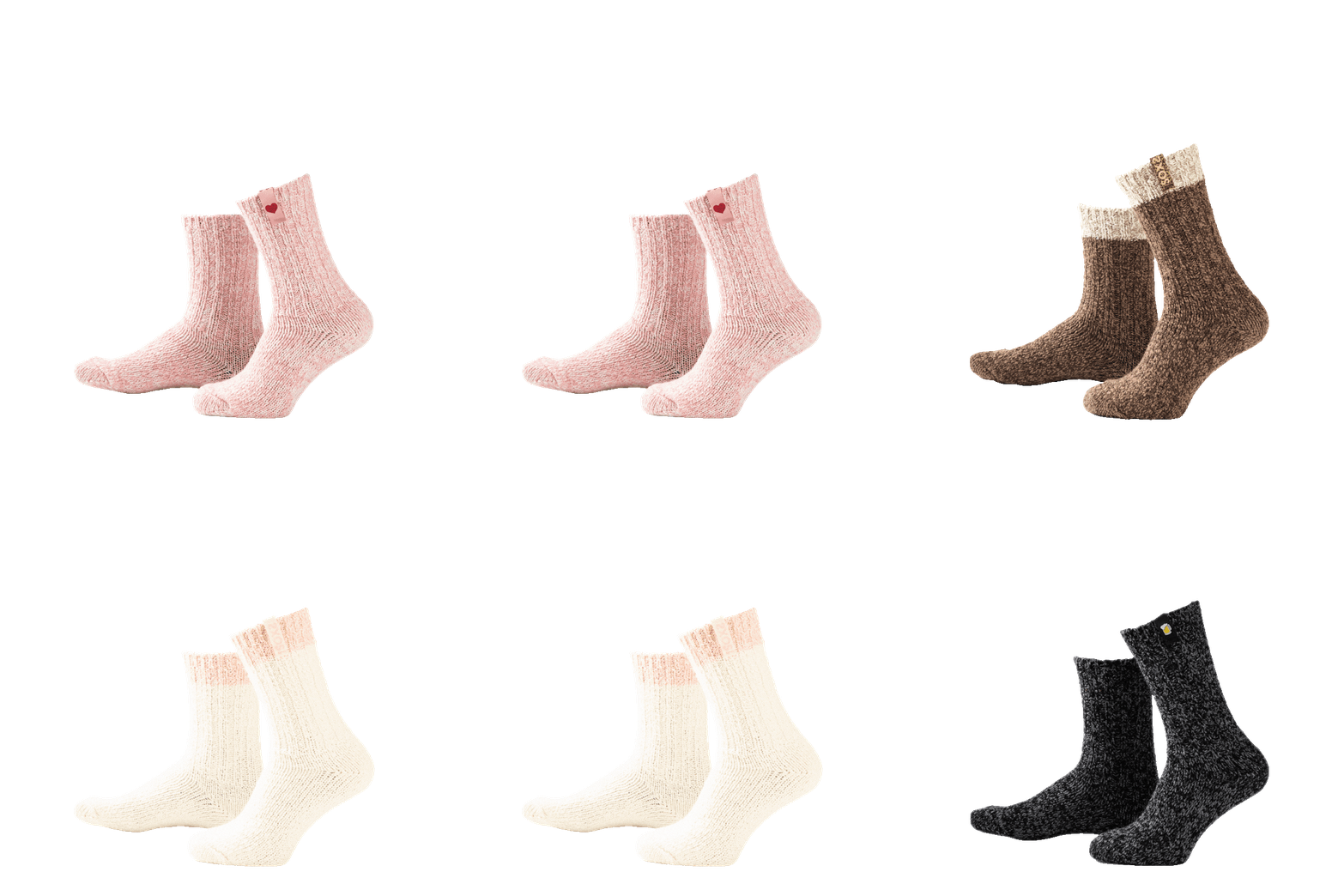
Soft warm premium wool socks
Gift ready, stylishly packaged
Orders placed before 1:00 PM will be shipped today (on weekdays) PLEASE NOTE: The delivery time of Pimp My Soxs is 5 working days!

Wool socks diabetics can wear safely when chosen correctly. Quality wool naturally regulates temperature through moisture-wicking and breathability, making it suitable for diabetic foot care. The key is selecting properly fitted wool blends that provide warmth without overheating, supporting healthy circulation while managing diabetic temperature sensitivity.
Diabetes significantly affects how your feet handle temperature, moisture, and pressure. High blood sugar levels damage nerve endings (neuropathy) and reduce blood circulation, making your feet less sensitive to temperature changes and slower to heal from injuries.
Poor circulation means your feet struggle to regulate temperature naturally. You might not feel when socks become too warm or notice moisture buildup that leads to skin problems. Additionally, diabetic feet are more prone to infections and take longer to recover from minor wounds or irritation.
This makes sock choice particularly important for diabetics. While others might simply feel uncomfortable in poorly chosen socks, diabetics risk serious complications from overheating, moisture retention, or pressure points. Your socks need to work harder to maintain healthy foot conditions.
Temperature regulation becomes more challenging because damaged nerves can’t properly signal when your feet are too warm or cold. Blood vessels also don’t respond as effectively to temperature changes, making proper sock material selection vital for diabetic foot health.
Wool socks are generally not too warm for diabetics when properly selected. Quality wool naturally regulates temperature by wicking moisture away from skin and allowing air circulation. However, thick wool socks in warm weather or poorly ventilated shoes can cause overheating.
The misconception that wool is always “too hot” comes from experience with low-quality wool or pure wool socks. Modern wool blends, particularly those combining wool with synthetic fibres like polyamide, provide excellent temperature control. These blends maintain wool’s warmth and moisture-wicking properties while adding breathability.
For diabetics, wool’s natural antimicrobial properties offer additional benefits. The fibres resist bacteria growth, reducing infection risk. Wool also maintains its insulating properties even when slightly damp, keeping feet comfortable without the clammy feeling that cotton socks can create.
The key is choosing wool socks appropriate for your activity level and environment. Lightweight wool blends work well for everyday wear, while thicker wool socks suit cold weather or outdoor activities. Your diabetic foot care routine should include monitoring how your feet feel in different wool sock weights.
Wool outperforms most other materials in temperature regulation for diabetic feet. Unlike cotton, which absorbs moisture and stays wet, wool wicks perspiration away from skin and releases it into the air. This keeps feet drier and more comfortable than synthetic materials alone.
Cotton socks retain moisture against your skin, creating breeding grounds for bacteria and fungi. This poses particular risks for diabetics, whose compromised immune systems struggle with infections. Cotton also loses its insulating properties when wet, leaving feet cold and clammy.
Synthetic materials like polyester wick moisture but can trap heat and create static buildup. Pure synthetic socks often feel less comfortable against skin and may cause irritation. However, when blended with wool, synthetics add durability and improved fit retention.
Bamboo socks offer some moisture-wicking properties but lack wool’s natural temperature regulation range. Wool adapts to your body temperature, providing warmth when needed and cooling when you’re active. This adaptive quality makes wool particularly valuable for diabetics whose temperature sensitivity varies throughout the day.
Wool blends combining 60% wool with 40% polyamide offer optimal performance. You get wool’s natural benefits with improved durability, better fit retention, and reduced itching that some people experience with pure wool.
Diabetics should prioritise wool socks with seamless toe construction, cushioned soles, and non-binding tops. Look for blends containing 50% to 70% wool combined with synthetic fibres for durability and improved fit. Avoid socks with thick seams that can create pressure points.
Proper fit is crucial for diabetic foot health. Socks should be snug but not tight, with no bunching or sliding. Choose socks specifically designed for diabetic needs, which typically feature extra room in the toe area and graduated compression that doesn’t restrict circulation.
Moisture-wicking capability should be your top priority. Quality wool naturally manages moisture, but look for socks that specifically mention moisture management or antimicrobial properties. This helps prevent the damp conditions where bacteria and fungi thrive.
Cushioning placement matters for diabetics. Look for targeted padding in heel and forefoot areas where pressure typically builds up. However, avoid overly thick socks that might make shoes fit too tightly, as this can restrict circulation.
Consider sock height based on your needs. Crew-length socks protect more of your leg from rubbing against shoes, while ankle socks work well for low-cut footwear. The key is ensuring no gaps where skin might rub against shoe materials.
Diabetics should avoid wool socks during active infections, open wounds, or severe circulation problems. If you have peripheral arterial disease or your feet frequently swell, consult your healthcare provider before switching to wool socks, especially thicker varieties.
Hot weather conditions may require lighter sock options. While wool regulates temperature well, heavy wool socks in summer heat can still cause overheating. Switch to lightweight wool blends or consider other moisture-wicking materials during peak summer months.
If you experience wool allergies or skin sensitivities, avoid pure wool socks. However, many people who react to traditional wool can tolerate modern wool blends. The polyamide content in quality wool blends often eliminates the itching associated with pure wool.
Avoid wool socks when your feet are already overheated or if you notice any signs of excessive moisture buildup. Monitor your feet daily for changes in temperature, colour, or moisture levels. Any persistent problems warrant switching sock materials and consulting your healthcare provider.
During periods of poor blood sugar control, your feet may be more sensitive to temperature changes. Consider temporarily switching to lighter sock materials until your glucose levels stabilise and circulation improves.
Check your feet regularly throughout the day for temperature, moisture, and comfort levels. Your feet should feel warm but not hot, dry but not parched. Remove shoes and socks periodically to inspect for redness, excessive moisture, or temperature variations between feet.
Proper wool socks should keep your feet consistently comfortable without noticeable temperature fluctuations. If your feet feel overheated, switch to lighter wool blends or thinner socks. If they’re consistently cold, consider slightly thicker wool options or check with your doctor about circulation concerns.
Watch for warning signs like persistent redness, unusual warmth in one foot compared to the other, or moisture that doesn’t seem related to activity level. These could indicate circulation problems or the beginning of infections that require medical attention.
Daily foot inspections are essential for diabetics wearing any sock material. Look for pressure marks, blisters, or areas where socks might be too tight. Your wool socks should leave minimal sock line impressions on your legs and no pressure marks on your feet.
Keep a simple log of how your feet feel in different wool sock weights and styles. Note which combinations work best for various activities and weather conditions. This helps you make informed choices and provides useful information for healthcare providers during check-ups.
Temperature consistency between both feet is important to monitor. If one foot consistently feels different from the other in the same socks, this could indicate circulation issues that need medical evaluation.
Finding the right wool socks for diabetic foot care involves balancing warmth, moisture management, and comfort. Quality wool blends offer excellent temperature regulation while supporting the specific needs of diabetic feet. At SOXS, we understand these unique requirements and have developed humanely sheared wool socks that provide optimal comfort without compromising diabetic foot health.