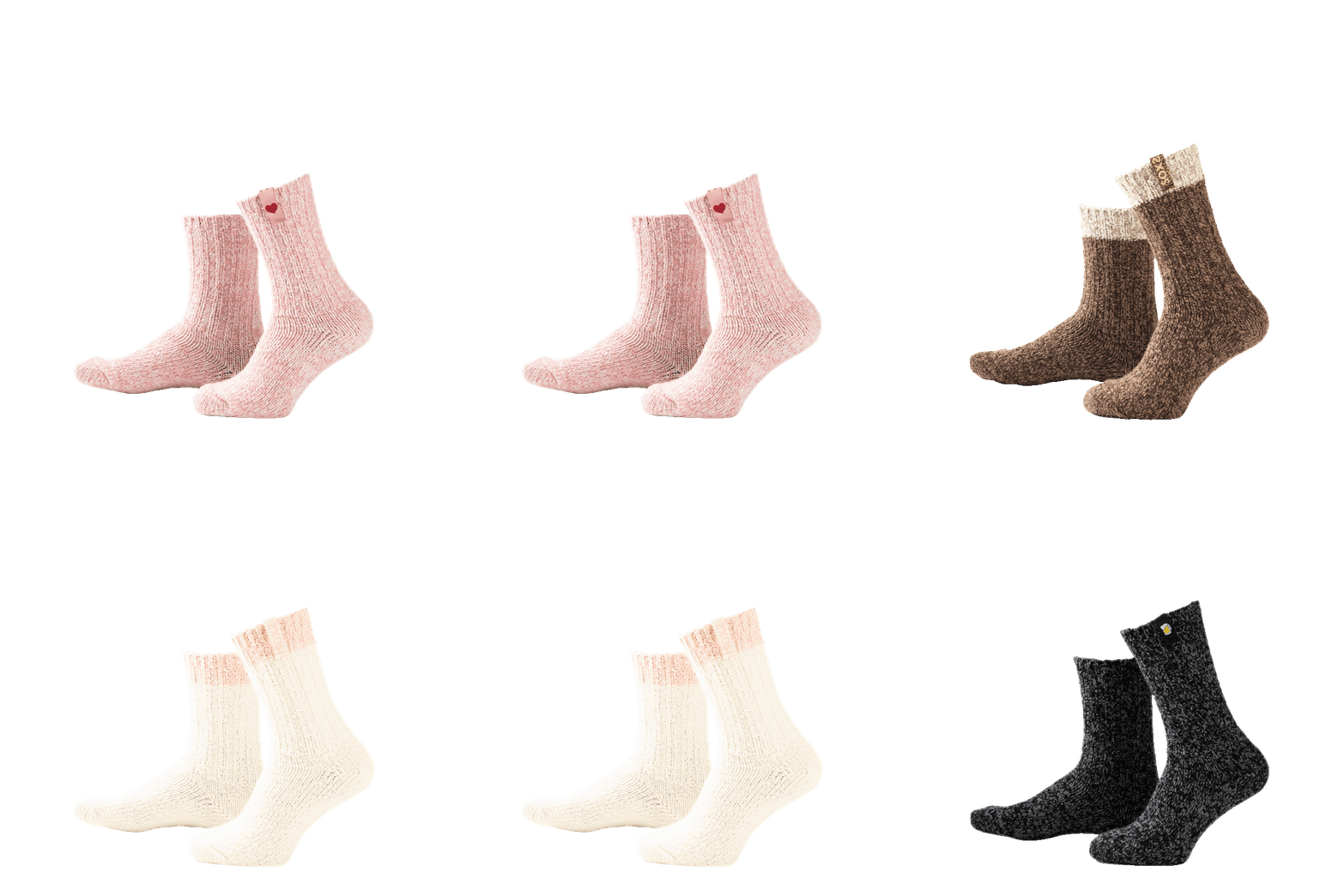
Soft warm premium wool socks
Gift ready, stylishly packaged
Orders placed before 1:00 PM will be shipped today (on weekdays) PLEASE NOTE: The delivery time of Pimp My Soxs is 5 working days!

Living with diabetes brings unique challenges, especially when it comes to foot care. Many people wonder whether their choice of socks can actually affect diabetic foot pain and overall comfort. The relationship between proper footwear and diabetic foot health is more significant than most people realize.
Understanding how socks affect circulation, moisture management, and pressure distribution can make a meaningful difference in daily comfort. From material selection to fit considerations, the right sock choices support better foot health for those managing diabetes.
Socks directly influence diabetic foot pain through cushioning, moisture control, and pressure distribution. Poor sock choices can create friction, trap moisture, and restrict circulation, while proper socks provide gentle support and help maintain healthy foot conditions.
The impact goes beyond basic comfort. Diabetic neuropathy often reduces sensation in the feet, making it harder to detect irritation from ill-fitting socks. When socks bunch, slide, or create pressure points, they can cause blisters or sores that may go unnoticed at first. Additionally, synthetic materials that don’t breathe well can create humid environments where bacteria and fungi thrive.
Quality socks help by providing consistent cushioning that reduces pressure on sensitive areas. They also wick moisture away from the skin, maintaining a dry environment that helps prevent many foot complications. The right fabric choice, such as natural wool socks, offers temperature regulation and antimicrobial properties that support overall foot health.
Natural wool stands out as an optimal material for diabetic foot care due to its moisture-wicking properties, temperature regulation, and natural antimicrobial qualities. Merino wool, in particular, provides softness without irritation while maintaining breathability throughout the day.
Wool’s unique fiber structure creates tiny air pockets that insulate while allowing moisture to escape. This prevents the damp conditions that can lead to fungal infections or skin breakdown. Unlike cotton, which retains moisture against the skin, wool actively moves perspiration away from the feet even during extended wear.
The natural lanolin in wool provides gentle antimicrobial protection, reducing bacterial growth that can cause odors or infections. Wool also maintains its insulating properties whether wet or dry, ensuring consistent temperature regulation that supports healthy circulation.
Synthetic moisture-wicking materials can work as secondary options, but they often lack the temperature regulation and natural antimicrobial benefits of wool. Avoid cotton socks entirely, as they retain moisture and lose their cushioning properties when wet, creating conditions that can worsen diabetic foot complications.
Yes, tight socks can significantly worsen diabetic foot pain by restricting blood circulation and creating pressure points that can lead to ulcers or nerve damage. Proper circulation is essential for diabetic foot health, making loose-fitting socks a critical choice.
Restricted circulation from tight elastic bands or compression can reduce the already compromised blood flow common in diabetes. This limitation prevents adequate oxygen and nutrients from reaching foot tissues, slowing healing and increasing the risk of infection. Reduced sensation from diabetic neuropathy means you might not immediately notice when socks are too tight.
Tight socks can also create friction and pressure points that may develop into serious complications. Areas where socks bind or compress can develop calluses, blisters, or open wounds that heal slowly due to poor circulation. Elastic bands around the calves or ankles are particularly problematic, as they can leave indentations and restrict blood flow.
Look for socks with gentle, non-binding tops that stay up without creating pressure lines. The sock should fit snugly enough to prevent bunching or sliding but never so tight that it leaves marks on your skin or restricts movement.
Diabetic socks should feature seamless toe construction, extra cushioning in the heel and forefoot areas, moisture-wicking materials, and non-binding tops. These elements work together to minimize friction, provide comfort, and help maintain healthy foot conditions.
Seamless toe construction eliminates the bulky seam found in regular socks that can create pressure points and irritation. This smooth interior surface reduces friction against sensitive skin and helps prevent the development of hot spots that can become problematic.
Strategic cushioning in high-impact areas like the heels and the ball of the foot provides shock absorption during walking. This extra padding helps distribute pressure more evenly, reducing stress on areas prone to developing calluses or ulcers. The cushioning should be substantial enough to provide protection without making shoes feel tight.
Moisture-wicking properties keep feet dry throughout the day, preventing the maceration and bacterial growth that can lead to infections. Combined with antimicrobial treatments, these features help maintain the clean, dry environment essential for diabetic foot health.
Non-binding tops ensure the socks stay in place without restricting circulation. Look for designs that use gentle elastic or rely on the sock’s construction to maintain position rather than tight bands that can leave marks or reduce blood flow.
People with diabetes should change socks at least daily, with twice-daily changes recommended for active individuals or those who sweat excessively. Fresh socks help maintain the dry, clean environment essential for preventing diabetic foot complications.
Daily sock changes prevent the buildup of moisture, bacteria, and dead skin cells that can create problems for sensitive diabetic feet. Even high-quality moisture-wicking socks eventually reach their capacity and need to be changed to maintain their protective benefits.
For people who exercise, work in demanding conditions, or naturally perspire more, changing socks twice daily provides additional protection. A midday change refreshes the moisture-wicking capacity and removes any accumulated bacteria or debris that could cause irritation.
Always inspect your feet during sock changes, looking for any signs of irritation, cuts, or changes in skin condition. This daily routine becomes an important part of diabetic foot care, allowing early detection of potential problems when they’re easier to address.
Keep multiple pairs of quality socks available to ensure you never have to wear damp or dirty socks. Having enough pairs for frequent changes while others are being washed helps maintain consistent foot protection.
At SOXS, we understand the importance of proper foot care for those managing diabetes. Our ethically sourced New Zealand wool socks provide natural benefits that support diabetic foot health:
Our commitment to quality and comfort means every pair is designed with your well-being in mind. Experience the difference premium wool socks can make in your daily comfort and foot health. Browse our collection today and discover how SOXS can support your journey toward better diabetic foot care.