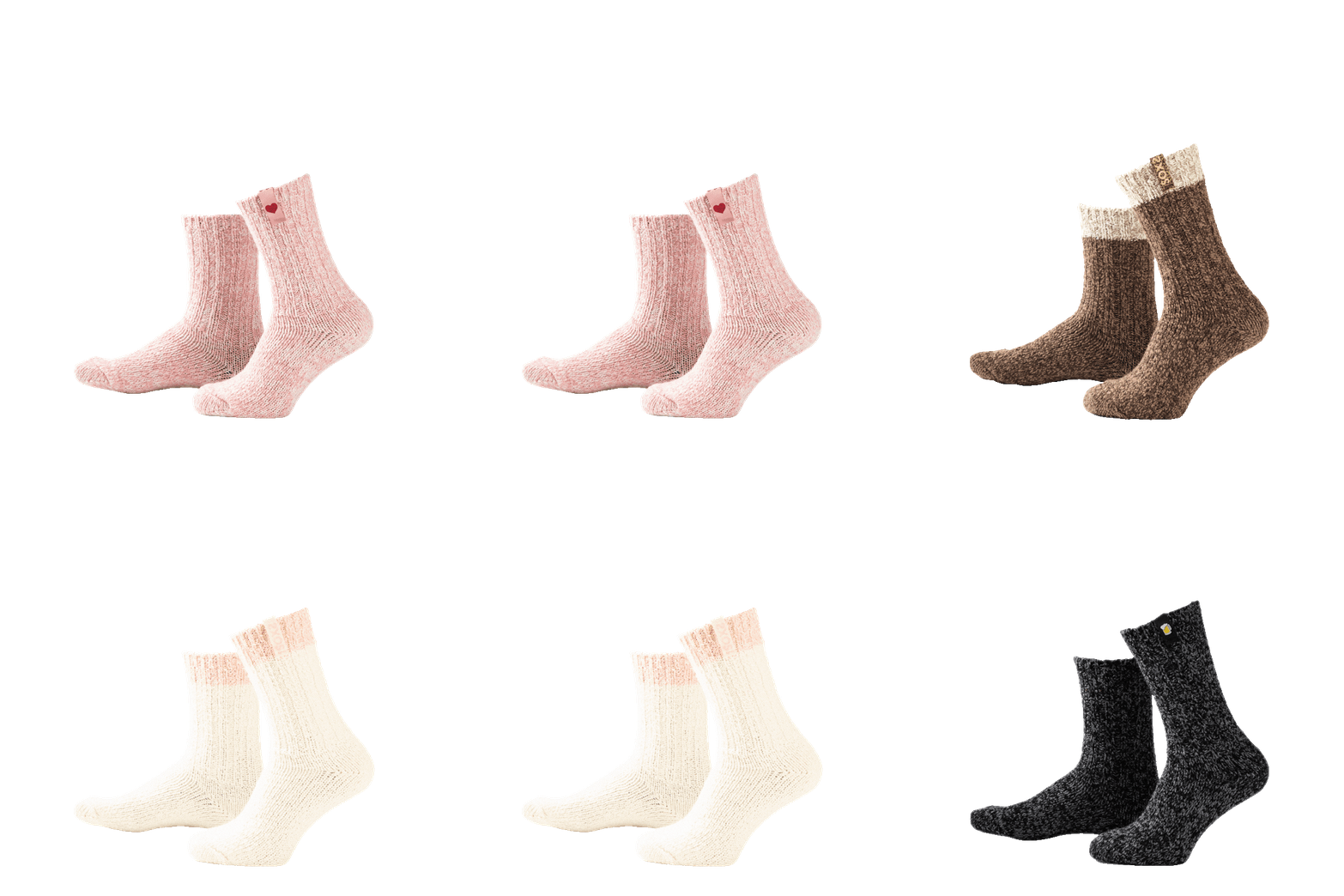
Soft warm premium wool socks
Gift ready, stylishly packaged
Orders placed before 1:00 PM will be shipped today (on weekdays) PLEASE NOTE: The delivery time of Pimp My Soxs is 5 working days!

Living with diabetes requires careful attention to foot health, as this condition can lead to serious complications, including foot deformities. While proper medical care remains essential, the right socks can play a surprisingly important role in supporting diabetic foot health and potentially preventing certain problems from developing or worsening.
Understanding how different sock features affect circulation, moisture management, and pressure distribution helps people with diabetes make informed choices about their daily foot care routine. From material selection to fit considerations, every detail matters when it comes to protecting vulnerable diabetic feet.
Diabetic foot deformities are structural changes in the feet that occur as complications of diabetes, including hammertoes, claw toes, bunions, and Charcot foot. These deformities develop primarily due to diabetic neuropathy, which damages nerves and reduces sensation, combined with poor circulation that impairs healing.
High blood sugar levels over time damage the peripheral nerves that control muscle function in the feet. When these nerves stop working properly, the delicate balance between different muscle groups becomes disrupted. Some muscles may weaken while others remain strong, creating an imbalance that gradually pulls bones and joints out of their normal positions.
Poor circulation compounds this problem by reducing the delivery of oxygen and nutrients to foot tissues. Without adequate blood flow, the feet become more susceptible to injury and heal more slowly when damage occurs. Additionally, reduced sensation means people with diabetes may not notice when their shoes are too tight or when pressure points develop, allowing deformities to progress unchecked.
The combination of nerve damage, circulation problems, and loss of protective sensation creates a cascade effect in which minor issues can develop into serious deformities over time. Early intervention and proper foot care become crucial to preventing these complications from advancing.
Yes, inappropriate socks can significantly worsen diabetic foot problems by creating pressure points, restricting circulation, and promoting moisture buildup that leads to infections. Tight elastic bands, rough seams, and non-breathable materials pose particular risks for people with diabetes.
Socks with tight elastic tops can act like tourniquets around the ankle and calf, reducing already compromised circulation. This restricted blood flow prevents essential nutrients from reaching foot tissues and impairs the body’s ability to fight infections or heal minor injuries. Over time, poor circulation can contribute to the development of ulcers and slow the healing process.
Rough or prominent seams create pressure points that can cause blisters, calluses, or sores. People with diabetic neuropathy may not feel these irritations developing, allowing them to progress into serious wounds. Similarly, socks that bunch up or wrinkle inside shoes create uneven pressure distribution that can lead to hot spots and eventual skin breakdown.
Non-breathable synthetic materials trap moisture against the skin, creating an ideal environment for bacterial and fungal growth. Diabetic feet are already more susceptible to infections due to compromised immune function, making moisture management critical for preventing complications like athlete’s foot or more serious bacterial infections.
Diabetic-friendly socks should feature seamless construction, non-binding tops, moisture-wicking materials, and cushioned soles to minimize pressure points and support healthy circulation. These features work together to create a protective environment that reduces the risk of complications.
Seamless toe construction eliminates the ridge of fabric that typically runs across the toe area in regular socks. This smooth interior prevents irritation and pressure points that could develop into blisters or sores. For people with reduced sensation, this protection becomes especially important since they may not feel minor irritations before they become serious problems.
Non-binding tops allow for proper circulation without constricting the leg or ankle. These tops should stretch comfortably around the calf without leaving deep indentations in the skin. Proper circulation ensures that feet receive adequate oxygen and nutrients while helping the body’s natural healing processes function effectively.
Moisture-wicking materials like wool socks naturally draw perspiration away from the skin and allow it to evaporate. This keeps feet dry and reduces the risk of fungal infections, bacterial growth, and skin maceration. The natural antimicrobial properties of high-quality wool provide additional protection against odor-causing bacteria.
Extra cushioning in high-pressure areas like the heel and forefoot helps distribute weight more evenly and reduces the impact forces that can contribute to callus formation and pressure ulcers. This padding should be strategically placed without creating bulk that makes shoes fit improperly.
Compression socks can benefit some people with diabetes by improving circulation, but they require medical supervision to ensure appropriate pressure levels and avoid restricting blood flow in those with severe circulation problems. The key lies in using graduated compression rather than uniform pressure.
Graduated compression socks apply the highest pressure at the ankle and gradually decrease pressure up the leg. This design helps promote venous return and can improve overall circulation in people with mild to moderate circulation issues. Better circulation supports wound healing and may help prevent some complications associated with poor blood flow.
However, people with diabetes often have compromised circulation, particularly in the smaller blood vessels of the feet and lower legs. Compression that is too strong or applied inappropriately can further restrict blood flow and potentially worsen existing circulation problems. This makes professional evaluation essential before using compression socks.
Medical professionals can assess circulation levels and determine whether compression therapy is appropriate for each individual. They may use ankle-brachial index testing or other circulation assessments to ensure that compression will help rather than harm. For those who can safely use compression, the socks must be properly fitted and regularly reassessed, as circulation status can change over time.
Diabetic socks are specifically designed with seamless construction, non-binding tops, moisture-wicking materials, and extra cushioning, while regular socks often have prominent seams, tight elastic bands, and materials that trap moisture. These differences directly impact foot health and comfort for people with diabetes.
The most noticeable difference lies in the toe construction. Regular socks typically have a seam that runs across the toe area where the toe and foot portions are sewn together. Diabetic socks use seamless knitting techniques or hand-linked toe closures that eliminate this potential pressure point entirely.
Elastic bands in regular socks are designed primarily to keep the socks in place, often creating tight bands around the ankle or calf. Diabetic socks use non-binding tops that stay up through proper sizing and knit structure rather than restrictive elastic. This prevents the tourniquet effect that can impair circulation.
Material choices also differ significantly. While regular socks may use cotton or basic synthetic blends that retain moisture, diabetic socks typically feature advanced moisture-wicking fibers like merino wool or specialized synthetic materials. These materials actively move moisture away from the skin and dry quickly to maintain a healthy foot environment.
Cushioning placement in diabetic socks is strategically designed based on pressure-point research and diabetic foot care principles. Regular socks may have uniform cushioning or none at all, while diabetic socks place extra padding precisely where the diabetic foot needs protection most.
People with diabetes should see a doctor immediately for any open wounds, signs of infection, sudden changes in foot shape, or loss of sensation. Regular preventive foot exams should occur at least annually, or more frequently if complications exist.
Warning signs that require immediate medical attention include any break in the skin, regardless of size. Even small cuts, blisters, or scratches can quickly become serious infections in diabetic feet. Redness, warmth, swelling, or discharge from any area of the foot indicates a possible infection that needs prompt treatment.
Changes in foot temperature, color, or shape should also prompt immediate medical evaluation. A foot that becomes suddenly red, pale, or blue may indicate circulation problems. Similarly, any swelling, new bumps, or changes in foot shape could signal the development of deformities or other complications.
Loss of sensation or new numbness requires medical assessment, as this may indicate progression of diabetic neuropathy. Regular sensation testing helps track nerve function over time and allows for early intervention when problems develop.
Even without obvious problems, people with diabetes should have comprehensive foot examinations at least once yearly. Those with existing neuropathy, circulation problems, or previous foot complications may need more frequent monitoring. These preventive visits allow healthcare providers to identify potential issues before they become serious problems.
At SOXS, we understand the unique challenges faced by people managing diabetes, which is why our ethically sourced wool socks incorporate many features that support healthy foot care routines. Our seamless construction eliminates pressure points, while our naturally moisture-wicking merino wool keeps feet dry and comfortable throughout the day.
Key features that support diabetic foot health include:
While SOXS socks provide exceptional comfort and high-quality construction, they are designed as everyday comfort wear rather than medical devices. We always recommend consulting with healthcare providers for specific diabetic foot care guidance and using our socks as part of a comprehensive foot care routine. Experience the difference that quality, ethically sourced wool can make in your daily comfort by exploring our collection today.