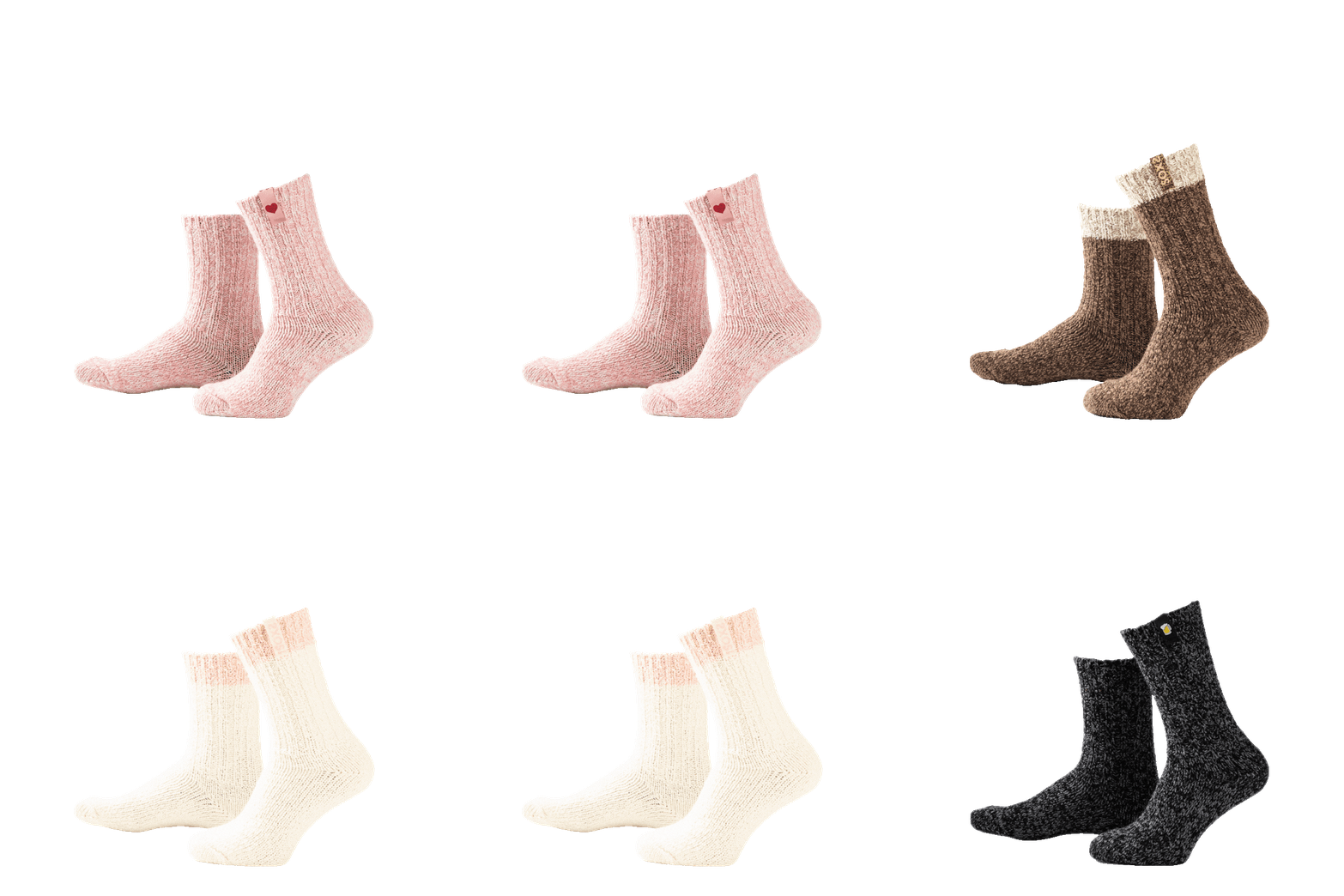
Soft warm premium wool socks
Gift ready, stylishly packaged
Orders placed before 1:00 PM will be shipped today (on weekdays) PLEASE NOTE: The delivery time of Pimp My Soxs is 5 working days!

Living with neuropathy can feel overwhelming, especially when it affects your feet. Tingling, numbness, and sometimes burning sensations can make even simple activities, like walking, challenging. While proper medical care remains essential, many people wonder whether something as simple as choosing the right socks can make a difference in managing their symptoms.
The relationship between neuropathy socks and symptom management is more significant than you might expect. Quality footwear choices, particularly socks designed with specific features, can provide comfort and support that complement your overall neuropathy care plan.
Neuropathy is nerve damage that commonly affects the peripheral nerves in your hands and feet, causing symptoms such as numbness, tingling, burning sensations, and reduced sensitivity to temperature and touch. Peripheral neuropathy in the feet often begins in the toes and gradually spreads upward, making daily activities increasingly difficult.
The condition can affect your feet in several ways. You may experience reduced sensation, making it harder to detect injuries, temperature changes, or pressure points. This loss of feeling increases your risk of developing sores, blisters, or cuts that go unnoticed. Additionally, neuropathy can cause sharp, shooting pains or a constant burning sensation that makes wearing regular shoes and socks uncomfortable.
Poor circulation often accompanies neuropathy, particularly in people with diabetes. Reduced blood flow slows healing and can worsen existing symptoms. The combination of nerve damage and circulation issues creates a challenging environment for your feet, requiring careful attention to footwear choices and daily care routines.
Yes, properly designed socks can significantly improve comfort and support foot health when you have neuropathy. While socks cannot cure nerve damage, they can create a protective barrier and an optimal environment that helps prevent complications and enhances daily comfort.
Quality neuropathy socks work by offering seamless construction that eliminates pressure points and reduces friction. Traditional socks often have thick seams that can create uncomfortable pressure against sensitive feet. Specialized socks feature flat or seamless toe construction that reduces irritation and helps prevent pressure sores.
The right socks also help regulate moisture and temperature around your feet. Neuropathy can affect your ability to sense when your feet are too hot, too cold, or wet. Moisture-wicking materials keep your feet dry, reducing the risk of fungal infections and skin breakdown that can lead to serious complications in people with reduced sensation.
The most important features in neuropathy socks include seamless toe construction, moisture-wicking materials, non-binding tops, and cushioned soles. These elements work together to minimize pressure points while supporting a healthy foot environment and circulation.
Seamless or flat-seam construction tops the list of essential features. Traditional sock seams can create pressure points that irritate sensitive nerves and may cause sores. Look for socks with hand-linked toes or seamless knitting technology that eliminates these problematic areas entirely.
Material selection plays a crucial role in neuropathy foot care. Natural fibers like merino wool socks excel at moisture management and temperature regulation. Wool naturally wicks moisture away from the skin while providing insulation that adapts to temperature changes. This helps maintain an optimal foot environment even when sensation is compromised.
Non-binding tops prevent constriction around your calves and ankles, supporting healthy circulation. Tight elastic bands can restrict blood flow, worsening circulation problems common in neuropathy. Cushioned soles provide additional protection and comfort by distributing pressure more evenly across your foot.
Compression socks can help with diabetic neuropathy by promoting better blood circulation and reducing swelling, which may alleviate discomfort and support overall foot health. Graduated pressure helps blood flow back toward the heart more efficiently, addressing circulation issues common in people with diabetes.
The gentle pressure from compression socks can provide sensory input that some people with neuropathy find comforting. This pressure stimulation may help reduce the perception of pain or uncomfortable sensations, though individual responses vary significantly.
However, compression socks require careful consideration for diabetic neuropathy. The compression level must be appropriate for your specific condition and circulation status. Too much compression can restrict blood flow, while too little provides minimal benefit. Always consult your healthcare provider before using compression socks, as they can assess your circulation and recommend an appropriate compression level.
For diabetic neuropathy, mild compression (8-15 mmHg) is often recommended, but this varies based on individual circumstances. Some people may benefit from moderate compression (15-20 mmHg), while others may need to avoid compression entirely due to circulation concerns.
Diabetic socks differ from regular socks through specialized construction featuring seamless toes, non-binding tops, moisture-wicking materials, and extra cushioning designed specifically to protect sensitive feet and promote healthy circulation.
The most noticeable difference lies in the seamless toe construction. Regular socks typically have thick seams across the toe area that can create pressure points and irritation. Diabetic socks use hand-linked toes or seamless knitting to eliminate these problematic seams entirely.
Material composition also sets diabetic socks apart. While regular socks may use cotton or synthetic blends that retain moisture, diabetic socks prioritize moisture-wicking fibers. These materials keep feet dry, reducing infection risk and supporting healthy skin.
The fit also differs significantly. Regular socks often have tight elastic bands that can leave marks on your legs. Diabetic socks feature non-binding tops that stay up without restricting circulation. Additionally, diabetic socks typically offer more cushioning in high-pressure areas like the heel and forefoot, providing extra protection for vulnerable feet.
Proper neuropathy foot care involves daily inspection, gentle cleaning, careful drying, moisturizing, and wearing appropriate footwear, including quality socks. This routine helps prevent complications and supports foot health despite reduced sensation.
Daily foot inspection is crucial when you have neuropathy. Check your feet every day for cuts, sores, swelling, or changes in color. Use a mirror or ask someone to help you examine areas you cannot see easily. Early detection helps prevent minor issues from becoming serious complications.
Maintain a gentle cleaning routine using lukewarm water and mild soap. Test the water temperature with your elbow or a thermometer, as neuropathy can affect your ability to sense temperature. Dry your feet thoroughly, especially between the toes, and apply moisturizer to prevent dry, cracked skin that can lead to infections.
Choose your socks and shoes carefully. Change socks daily, or more often if they become damp. Inspect the inside of your shoes before wearing them to ensure no objects or rough areas could cause injury. Well-fitting, protective socks serve as your first line of defense against friction and pressure-related complications.
We understand that living with neuropathy requires thoughtful choices in every aspect of foot care, including your socks. SOXS wool socks offer several features that align with neuropathy foot care needs, providing the comfort and protection your sensitive feet deserve.
Our socks offer key benefits for neuropathy care:
The natural properties of our ethically sourced wool create an ideal environment for sensitive feet. Our commitment to quality construction and sustainable practices ensures you receive socks that support both your foot health and your environmental values. Experience the difference thoughtfully designed wool socks can make in your daily comfort, and discover why so many people choose SOXS for their specialized sock needs.