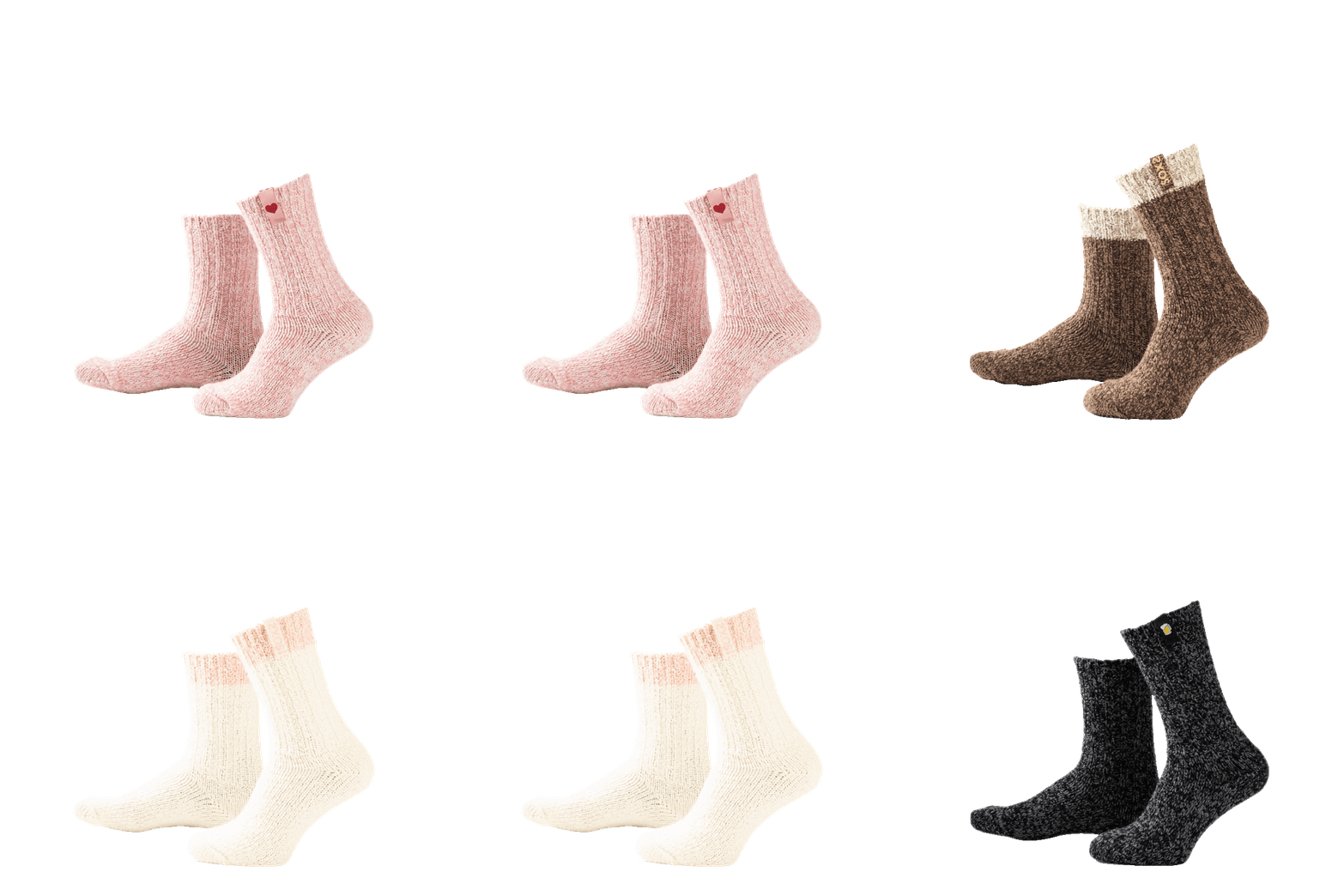

Soft warm premium wool socks
Gift ready, stylishly packaged
Orders placed before 1:00 PM will be shipped today (on weekdays) PLEASE NOTE: The delivery time of Pimp My Soxs is 5 working days!

Yes, socks can definitely help with plantar fasciitis by providing targeted support, cushioning, and compression to reduce pain and inflammation. Specialised plantar fasciitis socks offer arch support, heel cushioning, and gentle compression that can alleviate discomfort throughout the day. The right socks work as part of a comprehensive treatment approach alongside proper footwear and other therapeutic measures.
Plantar fasciitis affects millions of people worldwide, causing that sharp, stabbing pain in your heel that’s often worst when you take your first steps in the morning. This common foot condition occurs when the thick band of tissue connecting your heel to your toes becomes inflamed or irritated.
The good news is that therapeutic socks can play a valuable role in managing plantar fasciitis symptoms. While they’re not a cure-all, the right socks provide targeted support where you need it most. They offer gentle compression, cushioning for sensitive areas, and arch support that helps distribute pressure more evenly across your foot.
Think of supportive socks as a foundation for your foot care routine. They work alongside other treatments like stretching, proper footwear, and rest to give your plantar fascia the support it needs to heal. The best part? You can wear them throughout your daily activities, providing continuous comfort and support.
Plantar fasciitis is inflammation of the plantar fascia, a thick, web-like ligament that connects your heel bone to your toes. This tissue acts like a shock absorber, supporting the arch of your foot and helping you walk.
When the plantar fascia becomes strained, it can develop small tears that lead to inflammation and pain. Common causes include overuse from activities like running or standing for long periods, poor foot mechanics, tight calf muscles, or wearing shoes with inadequate support.
You’ll typically feel the pain as a sharp, stabbing sensation in the bottom of your foot near the heel. It’s often most severe with your first steps in the morning or after sitting for extended periods. The pain may decrease as you move around, but it can return after long periods of standing or when you stand up after sitting.
Other symptoms include stiffness in the bottom of your foot, swelling around the heel, and pain that worsens after exercise rather than during it.
Compression socks work by applying gentle, graduated pressure to your foot and lower leg, which improves blood circulation and reduces swelling. This enhanced blood flow helps deliver oxygen and nutrients to the affected tissues whilst removing waste products that can contribute to inflammation.
The compression also provides support to the plantar fascia throughout the day. By gently hugging your arch and heel, these socks help maintain proper foot alignment and reduce the strain on the inflamed tissue. This constant support can significantly reduce the micro-tears that occur with each step.
Many people find that compression socks help reduce morning pain because they prevent the plantar fascia from tightening up overnight. When you wear them to bed, they maintain gentle stretching of the tissue, so you don’t experience that sharp pain when you first stand up.
The key is finding the right level of compression. Too little won’t provide adequate support, whilst too much can restrict circulation and cause discomfort.
When choosing socks for plantar fasciitis, arch support is absolutely crucial. Look for socks with built-in compression zones that hug your arch and provide targeted support to the plantar fascia. This feature helps distribute pressure more evenly across your foot.
Cushioning in the heel and forefoot areas provides extra comfort for sensitive spots. Strategic padding helps absorb impact with each step, reducing stress on inflamed tissues. However, avoid excessive cushioning that might make your shoes feel too tight.
| Feature | Benefit | What to Look For |
|---|---|---|
| Arch Support | Reduces plantar fascia strain | Compression zones, graduated support |
| Moisture-Wicking | Prevents bacterial growth | Natural fibres like wool or synthetic blends |
| Seamless Toe | Eliminates pressure points | Flat-seam or seamless construction |
| Proper Fit | Ensures effective compression | Size charts, snug but not tight |
Moisture-wicking materials keep your feet dry and comfortable, preventing bacterial growth that can worsen foot problems. Look for breathable fabrics that move sweat away from your skin.
Seamless toe construction eliminates pressure points that can cause additional discomfort. A proper fit is essential – socks should be snug enough to provide compression but not so tight that they restrict circulation.
Wool socks can be excellent for plantar fasciitis, particularly high-quality options made from humanely sheared wool. Wool naturally manages moisture by wicking sweat away from your skin whilst remaining breathable, creating an environment that’s less prone to bacterial growth and odour.
The natural elasticity of wool provides gentle compression and support that adapts to your foot shape. Unlike synthetic materials that can lose their stretch over time, quality wool maintains its supportive properties wash after wash. This means consistent arch support and compression when you need it most.
Wool’s temperature-regulating properties keep your feet comfortable in various conditions. It provides warmth when it’s cold but doesn’t overheat your feet, making wool socks suitable for year-round wear. This is particularly important if you need to wear therapeutic socks throughout the day.
The natural antimicrobial properties of wool help prevent bacterial growth, reducing the risk of secondary foot problems. Quality wool socks are also incredibly soft and comfortable, without the itching that some people associate with wool products.
The beauty of supportive socks is that you can wear them throughout your daily routine. Many people find the most benefit from putting them on first thing in the morning, even before getting out of bed. This helps support the plantar fascia from the moment you start moving.
During daily activities like work, shopping, or household tasks, foot support socks provide continuous relief. They’re particularly helpful if your job requires long periods of standing or walking. The constant compression and arch support help prevent the plantar fascia from becoming overstretched.
Exercise is another crucial time to wear supportive socks. Whether you’re walking, doing yoga, or engaging in other low-impact activities, the right socks can help protect your plantar fascia from additional strain.
Some people benefit from wearing compression socks to bed. Night socks maintain gentle stretching of the plantar fascia, which can significantly reduce morning pain. However, make sure they’re comfortable enough for sleep and not too tight.
Supportive socks work best as part of a comprehensive treatment approach. Stretching exercises for your calf muscles and plantar fascia are essential. Simple stretches like pulling your toes back towards your shin can help maintain flexibility in the affected tissue.
Proper footwear is crucial – shoes with good arch support, cushioned soles, and adequate heel support complement the benefits of therapeutic socks. Avoid walking barefoot on hard surfaces, especially first thing in the morning.
Orthotics or arch supports can provide additional structural support when combined with the right socks. Ice therapy after activities can help reduce inflammation, whilst rest allows the tissue to heal.
Rolling a tennis ball or frozen water bottle under your foot can help stretch the plantar fascia and provide relief. Heel pain socks support these other treatments by providing consistent comfort throughout the day.
Choosing the right socks for plantar fasciitis comes down to finding the perfect balance of support, comfort, and quality materials. Look for socks that offer targeted arch support, appropriate cushioning, and moisture-wicking properties that keep your feet comfortable all day.
Quality matters when it comes to therapeutic socks. Well-made socks maintain their supportive properties longer and provide more consistent relief. Natural materials like wool offer excellent breathability and comfort, whilst synthetic blends can provide targeted compression.
Remember that the right socks are just one part of managing plantar fasciitis effectively. Combined with proper stretching, appropriate footwear, and other treatments, supportive socks can significantly improve your comfort and mobility. At SOXS, our wool socks provide the natural comfort, breathability, and gentle support that can help make each step more comfortable, crafted from ethically sourced New Zealand wool that’s designed to be completely itch-free.