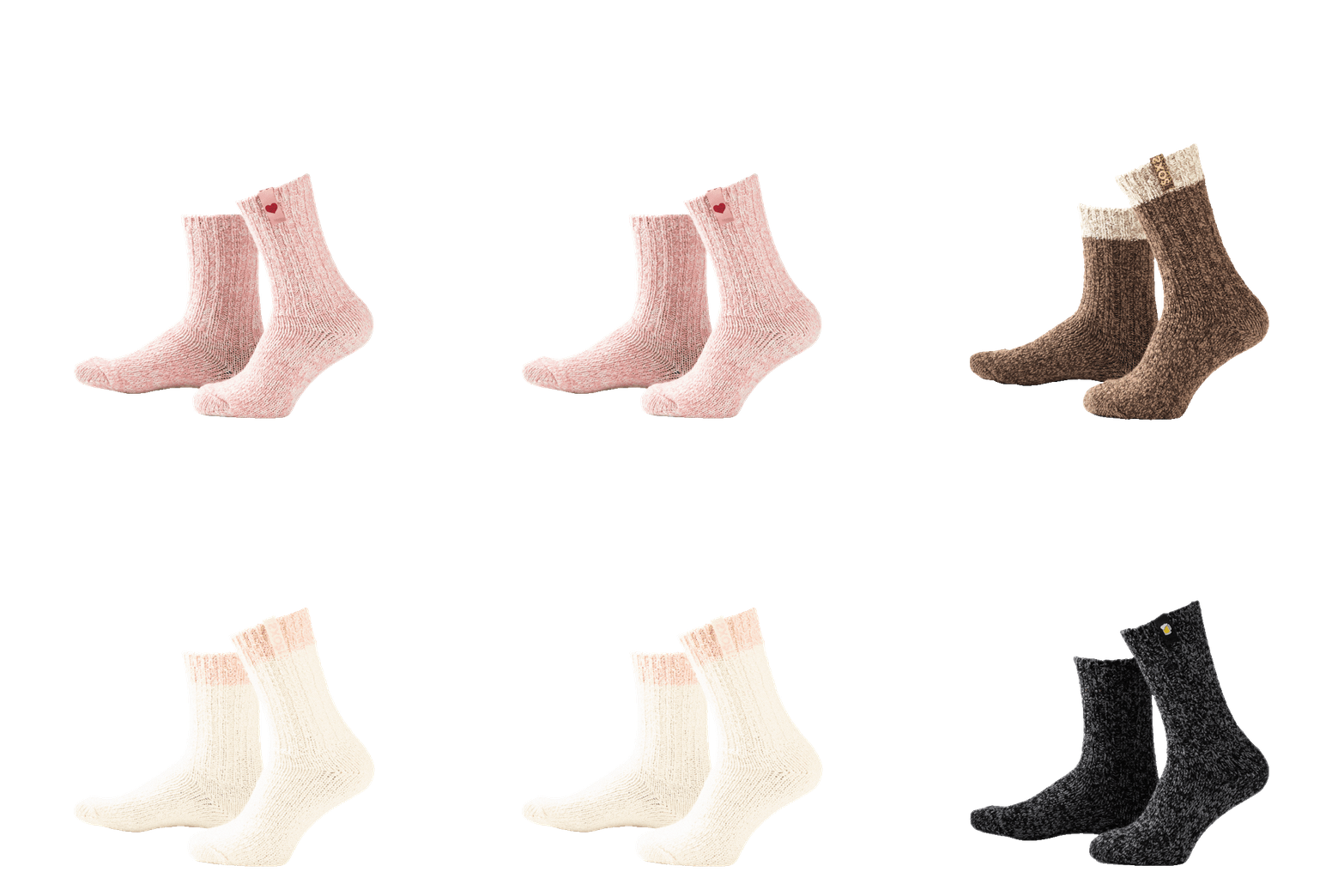
Soft warm premium wool socks
Gift ready, stylishly packaged
Orders placed before 1:00 PM will be shipped today (on weekdays) PLEASE NOTE: The delivery time of Pimp My Soxs is 5 working days!

Yes, diabetics can wear wool socks every day, and doing so offers significant benefits for diabetic foot care. Quality wool socks provide moisture-wicking, temperature regulation, and antimicrobial properties that support healthy feet. The key is choosing the right wool socks with proper fit, seamless construction, and breathable materials to avoid circulation issues while maintaining optimal foot health.
Wool socks offer unique natural properties that specifically benefit diabetic foot health compared to synthetic materials. Wool naturally wicks moisture away from your skin, keeping feet dry and reducing the risk of bacterial growth that can lead to infections.
The temperature-regulating qualities of wool help maintain consistent foot warmth without overheating. This is particularly important for diabetics who may have reduced sensation in their feet and cannot easily detect temperature changes that might cause discomfort or injury.
Wool also possesses antimicrobial properties that naturally resist odour-causing bacteria. This creates a healthier environment for your feet throughout the day. Unlike synthetic materials that can trap moisture and heat, quality wool breathes naturally whilst providing cushioning and support.
The moisture-wicking ability of wool becomes particularly valuable for diabetics, as keeping feet dry helps prevent the skin breakdown that can lead to serious complications. Modern wool blends combine these natural benefits with enhanced durability and fit retention.
Diabetics should not wear the same pair of socks every day without proper washing, but they can safely wear wool socks daily by rotating between multiple pairs. Daily sock changes are important for maintaining proper foot hygiene and preventing bacterial growth.
Proper sock rotation means having at least three to four pairs of quality wool socks in your regular rotation. This allows you to wear clean, dry socks each day whilst giving previously worn pairs time to air out completely between wears.
The hygiene considerations for diabetics are more stringent than for others because any foot infection can escalate quickly. Fresh socks daily help maintain the clean, dry environment your feet need to stay healthy.
When you follow proper sock care routines, including washing after each wear and ensuring complete drying, daily wool sock wear becomes not just safe but beneficial for diabetic foot care. The key is treating your socks as an important part of your daily health routine.
Diabetics should prioritise seamless construction, proper cushioning, and high-quality wool blends when selecting wool socks. Look for socks without thick seams that could create pressure points or cause irritation to sensitive feet.
Seamless toe construction prevents rubbing and hot spots that can develop into blisters or sores. The cushioning should be adequate to provide protection without making shoes feel too tight, as proper fit is crucial for healthy circulation.
Choose wool socks made from quality sheep’s wool blended with a small percentage of synthetic fibres for durability and fit retention. A blend of approximately 60% wool and 40% polyamide provides the benefits of natural wool whilst maintaining elasticity and shape over time.
Avoid socks with tight elastic bands around the calf or ankle, as these can restrict circulation. Instead, look for socks with gentle, non-binding tops that stay up without creating pressure points. The sock should fit snugly without being tight, with no bunching or excess material that could cause friction.
Quality wool socks support healthy blood flow by providing gentle compression without restriction, whilst their natural elasticity moves with your feet throughout the day. Unlike rigid synthetic materials, wool maintains flexibility that doesn’t impede circulation.
Proper fit plays a crucial role in circulation support. Well-fitted wool socks provide light compression that can actually help promote blood flow, similar to how compression stockings work but in a gentler way. This gentle pressure helps blood return from your feet back to your heart.
The natural elasticity of wool means the socks won’t become tight or restrictive as your feet naturally swell slightly throughout the day. This adaptability helps maintain consistent, comfortable pressure that supports rather than hinders circulation.
Temperature regulation also supports circulation by keeping feet at an optimal temperature. Cold feet can reduce blood flow, whilst overheating can cause discomfort and swelling. Wool’s natural ability to maintain steady temperature helps keep blood flowing properly to your extremities.
The main risks include potential wool allergies, overheating from poor-quality wool, or circulation problems from improper fit. However, these risks can be effectively managed through careful sock selection and proper care routines.
Some people experience sensitivity to traditional wool, but modern wool processing and blends have significantly reduced this issue. Quality wool socks made from properly treated sheep’s wool rarely cause the itching associated with older wool products.
Overheating can occur if you choose wool socks that are too thick for your activity level or climate. Select appropriate wool weights for different situations with lighter wool for indoor wear and heavier wool for outdoor activities or cold weather.
Improper fit poses the greatest risk, as socks that are too tight can restrict circulation, whilst loose socks can bunch up and create friction points. Always ensure proper sizing and replace socks when they lose their shape or develop thin spots that could cause pressure points.
Wash wool socks after each wear using a gentle wool programme at maximum 30°C with wool-specific detergent, and always air dry them completely. Proper care maintains the therapeutic properties whilst extending the lifespan of your diabetic foot care investment.
Hand washing provides the gentlest care for wool socks, but machine washing on a wool cycle works well for daily maintenance. Use wool detergent rather than regular laundry soap, as it’s formulated to preserve wool’s natural properties whilst cleaning effectively.
Never put wool socks in the tumble dryer, as the heat can shrink them and damage the fibres that provide moisture-wicking and temperature regulation. Instead, lay them flat to dry or hang them in a well-ventilated area away from direct heat.
Store clean, dry wool socks in a breathable drawer or container. Rotate your sock collection regularly to ensure even wear, and inspect them periodically for thin spots, holes, or areas where the elastic has weakened. Replace worn socks promptly to maintain optimal foot protection.
Taking proper care of your wool socks ensures they continue providing the moisture management, temperature control, and comfort your feet need for optimal diabetic foot care. At SOXS, we understand the importance of reliable, comfortable wool socks for daily wear, which is why our ethically sourced wool socks are designed to provide lasting comfort and support for your foot health needs.