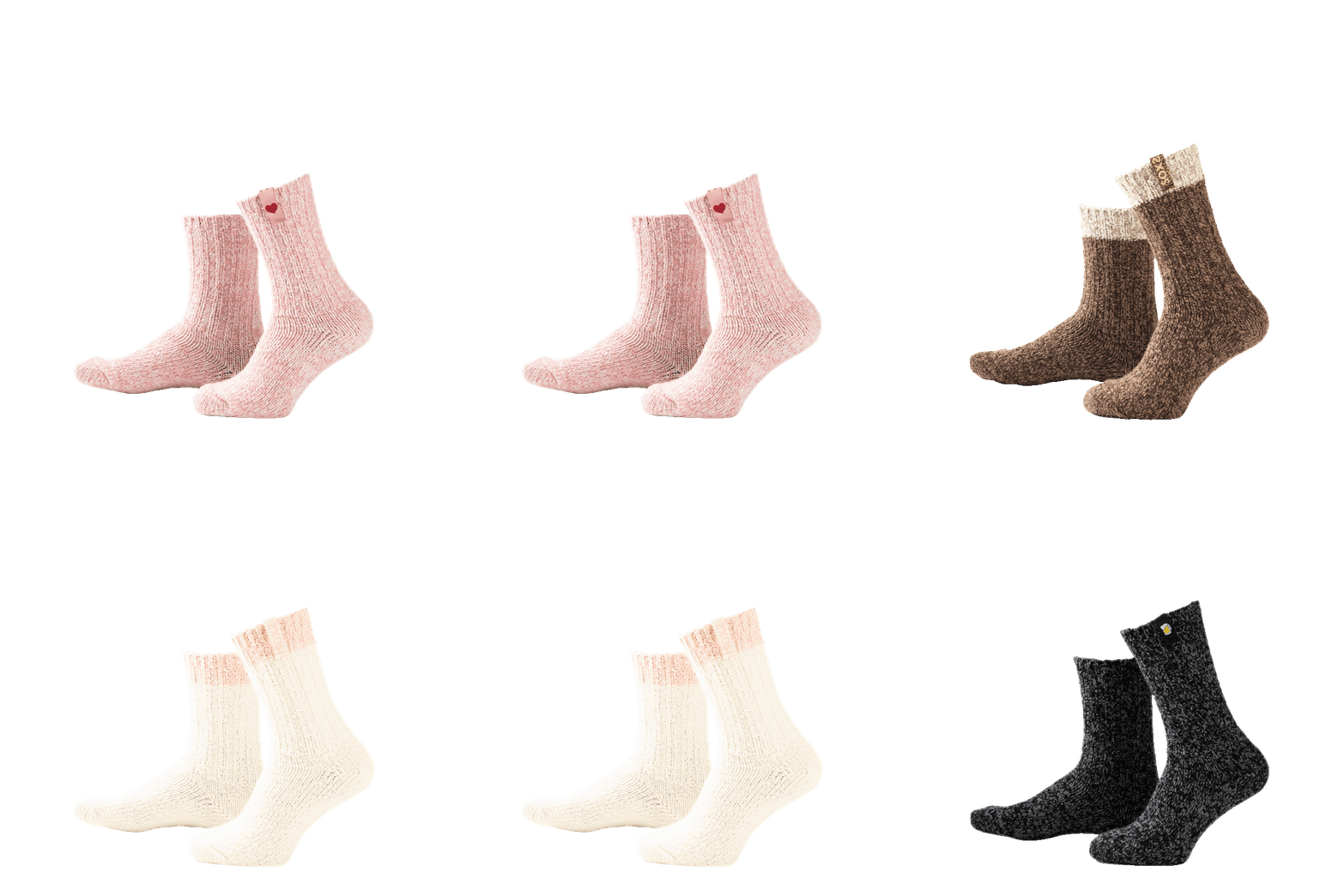
Soft warm premium wool socks
Gift ready, stylishly packaged
Orders placed before 1:00 PM will be shipped today (on weekdays) PLEASE NOTE: The delivery time of Pimp My Soxs is 5 working days!

When you live with neuropathy, especially diabetic neuropathy, foot health becomes a critical concern. Reduced sensation in your feet can make it difficult to notice minor cuts, blisters, or other injuries that could develop into serious infections. This has led many people to wonder whether antimicrobial socks might offer an extra layer of protection against potentially dangerous foot complications.
Understanding the role of antimicrobial socks in infection prevention requires looking at both their capabilities and limitations. While these specialized socks can be a valuable part of foot care, they work best as part of a comprehensive approach to maintaining healthy feet.
Antimicrobial socks are specially designed socks that contain materials or treatments intended to reduce bacterial and fungal growth. These socks typically incorporate silver ions, copper fibers, or chemical treatments that create an environment less hospitable to harmful microorganisms.
The antimicrobial properties work through several mechanisms. Silver-treated fibers release ions that disrupt bacterial cell walls, while copper-infused materials create an oxidative environment that damages microbes. Some synthetic antimicrobial socks use chemical treatments applied during manufacturing to create long-lasting antibacterial effects.
Natural materials like merino wool also possess inherent antimicrobial qualities. Wool socks contain lanolin and have a unique structure that naturally resists odor-causing bacteria and helps regulate moisture, creating conditions that discourage microbial growth.
Antimicrobial socks can help reduce the bacterial load on your feet, but they cannot completely prevent infections in people with neuropathy. Their effectiveness depends on proper wound care, blood sugar management, and regular foot inspections, rather than relying solely on sock technology.
For individuals with diabetic neuropathy, the primary infection risks come from unnoticed wounds that become contaminated with bacteria. While antimicrobial socks may slow bacterial growth around minor cuts or abrasions, they cannot heal wounds or replace proper medical care. The reduced sensation that characterizes neuropathy means that small injuries often go undetected until they become serious problems.
Research suggests that antimicrobial socks work best as a preventive measure for people with healthy feet or minor foot health concerns. For those with neuropathy, these socks should be viewed as one component of a broader foot care strategy that includes daily inspection, proper hygiene, appropriate footwear, and regular medical monitoring.
The main difference lies in bacterial growth inhibition and moisture management capabilities. Antimicrobial socks actively work to reduce harmful microorganisms, while regular socks primarily provide protection through physical barriers and basic moisture-wicking.
Regular cotton or synthetic socks can trap moisture and create warm environments where bacteria thrive. This becomes particularly problematic for people with compromised circulation or immune systems. When feet remain damp throughout the day, the risk of developing fungal infections or bacterial overgrowth increases significantly.
Antimicrobial socks address this issue by incorporating materials that actively fight microbial growth while often providing superior moisture management. However, effectiveness varies greatly depending on the specific antimicrobial treatment used and the overall quality of the sock construction.
Natural wool socks offer inherent antimicrobial properties, along with superior moisture regulation and temperature control, compared to many synthetic alternatives. Wool fibers naturally resist bacteria and fungi while providing excellent breathability and comfort.
Merino wool, in particular, has a unique fiber structure that wicks moisture away from the skin while maintaining dry conditions that discourage bacterial growth. The natural lanolin in wool provides additional antimicrobial benefits without requiring chemical treatments. This makes wool an excellent choice for people who prefer natural materials or have sensitivities to synthetic antimicrobial treatments.
Synthetic antimicrobial socks often rely on silver, copper, or chemical treatments that may lose effectiveness over time with repeated washing. While some synthetic options provide excellent initial antimicrobial activity, natural wool maintains its beneficial properties throughout the life of the garment. Additionally, wool’s natural temperature regulation helps prevent the hot, sweaty conditions that promote bacterial growth.
People with diabetes, compromised immune systems, circulation issues, or those prone to foot infections should consider antimicrobial socks as part of their foot care routine. However, these socks work best when combined with proper medical care and daily foot monitoring.
Individuals who spend long hours in closed footwear, athletes, or those with naturally sweaty feet may also benefit from antimicrobial socks. The moisture-wicking and bacteria-fighting properties can help maintain healthier foot conditions throughout active days.
Healthcare workers, people who work in environments where foot hygiene is challenging, or anyone with a history of recurring foot infections should discuss antimicrobial socks with their healthcare provider. While these socks offer additional protection, they should never replace proper wound care, blood sugar management, or regular medical monitoring for high-risk individuals.
At SOXS, we understand that foot health goes beyond antimicrobial properties. Our ethically sourced New Zealand wool socks provide natural antibacterial benefits while delivering exceptional comfort and breathability. Here’s how we support your foot wellness:
Whether you’re managing neuropathy, seeking better foot health, or simply want the comfort of premium wool socks, SOXS offers a natural solution that prioritizes both your well-being and environmental responsibility. Experience the difference that ethically sourced, naturally antimicrobial wool can make in your daily comfort.