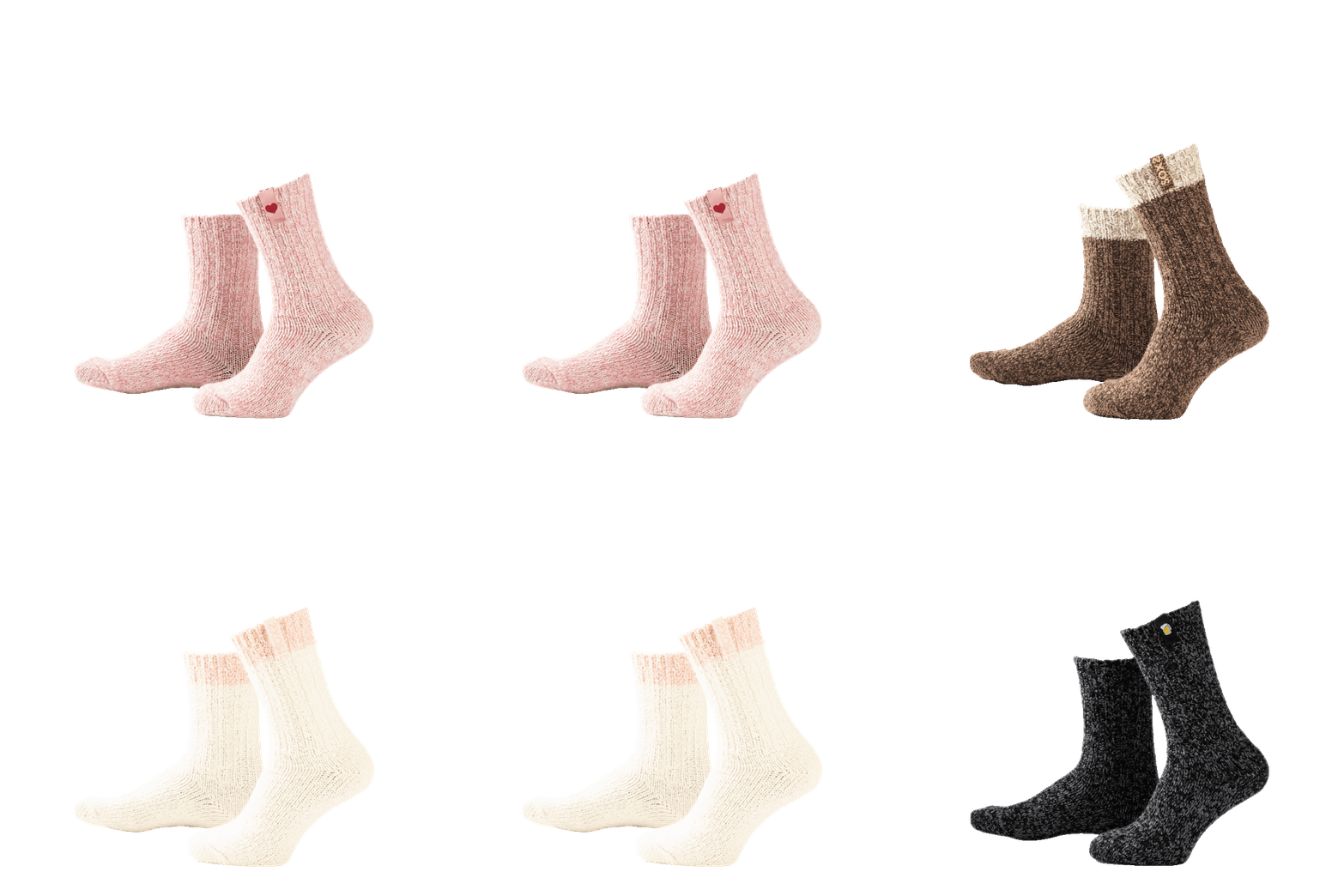
Soft warm premium wool socks
Gift ready, stylishly packaged
Orders placed before 1:00 PM will be shipped today (on weekdays) PLEASE NOTE: The delivery time of Pimp My Soxs is 5 working days!

Wool socks are generally suitable for people with type 2 diabetes and can offer important benefits for diabetic foot health. The natural properties of wool, including moisture-wicking capabilities, breathability, and temperature regulation, make wool socks a good choice for managing the foot care challenges that come with diabetes. However, the key lies in choosing high-quality wool socks with proper construction and ensuring they fit correctly without being too tight or restrictive.
Diabetes significantly affects your feet by reducing blood circulation, decreasing nerve sensitivity, and slowing wound healing processes. These changes create a perfect storm where minor injuries can become serious complications without proper attention and care.
Poor circulation means your feet receive less oxygen and nutrients, making them more vulnerable to infection and slower to heal. When you combine this with reduced nerve sensitivity, you might not notice small cuts, blisters, or pressure points that could develop into serious problems.
The slower healing process in diabetes means that what might be a minor issue for someone else can become a major health concern for you. This is why choosing the right footwear, including wool socks for diabetes, becomes an important part of your daily health routine.
Your feet also tend to be more sensitive to temperature changes and moisture buildup, which can create environments where bacteria and fungi thrive. Proper sock selection helps manage these risks by maintaining appropriate temperature and moisture levels around your feet.
Yes, wool socks are not only safe for diabetic feet but often recommended by healthcare professionals. Wool’s natural properties make it an excellent material for addressing the specific challenges people with diabetes face regarding foot health and circulation.
Wool naturally wicks moisture away from your skin, which helps prevent the damp conditions that can lead to fungal infections or skin breakdown. This breathable socks diabetes benefit is particularly important because people with diabetes are more susceptible to foot infections.
The temperature-regulating properties of wool help maintain consistent warmth without overheating, which supports healthy blood flow. Unlike synthetic materials that can trap heat and moisture, wool adjusts to your body temperature and the surrounding environment.
Modern wool sock construction has also addressed the traditional concerns about itchiness and irritation. High-quality wool socks, particularly those blended with other fibres, provide the benefits of wool without the scratchy feeling that some people associate with traditional wool products.
Wool socks support circulation in diabetes through their natural temperature regulation and non-restrictive properties. The material helps maintain optimal foot temperature, which encourages healthy blood flow without creating pressure points or constriction that could impede circulation.
The natural elasticity of quality wool means the socks conform to your foot shape without binding tightly around your ankle or calf. This gentle fit allows blood to flow freely whilst still providing the support and cushioning your feet need.
Wool’s ability to regulate temperature works both ways and it keeps your feet warm when it’s cold and helps them stay cool when it’s warm. This consistent temperature helps maintain steady blood flow, which is particularly beneficial for people with wool socks blood circulation concerns.
The moisture-wicking properties also contribute to circulation benefits by preventing the swelling that can occur when feet become too warm or damp. When your feet stay dry and comfortable, there’s less inflammation and better overall blood flow.
When selecting diabetic socks wool, prioritise seamless construction, proper moisture management, cushioning, and a comfortable fit that doesn’t restrict circulation. These features work together to protect your feet and support your overall diabetic foot health.
Look for socks with flat or seamless toe construction to prevent pressure points and rubbing that could lead to blisters or sores. The seams should be minimal and positioned away from areas where they might cause irritation.
Choose socks with adequate cushioning in the heel and forefoot areas, but avoid excessive padding that might make your shoes too tight. The cushioning should provide protection without compromising the fit of your regular footwear.
Ensure the elastic around the top of the sock is gentle and doesn’t leave marks on your leg. The sock should stay up without creating a tourniquet effect that could restrict blood flow. Many diabetes foot health specialists recommend socks with graduated compression rather than tight elastic bands.
Consider the sock height as well and crew or mid-calf lengths often provide good coverage without being too restrictive, whilst ankle socks work well if you prefer less coverage but still want the protective benefits.
Daily foot care for diabetes involves thorough inspection, gentle cleaning, proper moisturising, and wearing appropriate socks like quality wool options. This routine helps prevent complications and catches potential problems early when they’re easier to treat.
Inspect your feet every day, looking for cuts, blisters, swelling, redness, or any changes in skin colour or temperature. Use a mirror or ask someone to help you check areas you can’t see easily, particularly between your toes and on the soles of your feet.
Wash your feet daily with lukewarm water and mild soap, then dry them thoroughly, especially between the toes. Apply a gentle moisturiser to prevent dry, cracked skin, but avoid putting lotion between your toes where moisture can become trapped.
Change your socks daily, or more often if they become damp from perspiration. This is where breathable socks diabetes management becomes particularly important and wool socks can be worn longer than synthetic alternatives because they naturally resist odour and moisture buildup.
Trim your toenails straight across and file any sharp edges. If you have trouble seeing or reaching your feet, consider having a podiatrist handle nail care to prevent accidental cuts or ingrown nails.
People with diabetes should avoid socks with tight elastic bands, rough seams, synthetic materials that trap moisture, or any socks that leave marks or indentations on the skin. These features can restrict circulation or create conditions that promote foot problems.
Avoid socks made entirely from synthetic materials like polyester or nylon, as these don’t breathe well and can create the moist, warm environment where bacteria and fungi thrive. Cotton socks, whilst natural, can also be problematic because they retain moisture once wet.
Stay away from socks with thick, raised seams, especially around the toe area. These can create pressure points that lead to blisters or sores, which heal slowly in people with diabetes and can become serious complications.
Don’t wear socks with tight elastic tops that leave visible marks on your legs. This indicates restricted blood flow, which is particularly problematic when you already have circulation challenges from diabetes.
If you notice any persistent redness, swelling, or sores on your feet, consult your healthcare provider before making changes to your sock routine. Sometimes what seems like a simple sock-related irritation can indicate a more serious underlying issue that needs medical attention.
Proper sock selection plays an important role in type 2 diabetes footwear management, working alongside regular medical care, appropriate shoes, and daily foot hygiene. Quality wool socks offer many benefits for people with diabetes, providing the comfort, breathability, and protection that support long-term foot health. When you combine the right socks with consistent foot care and regular check-ups with your healthcare team, you’re taking important steps to prevent complications and maintain your mobility and independence. At SOXS, we understand these needs and craft our wool socks with the comfort and health benefits that matter most to you.