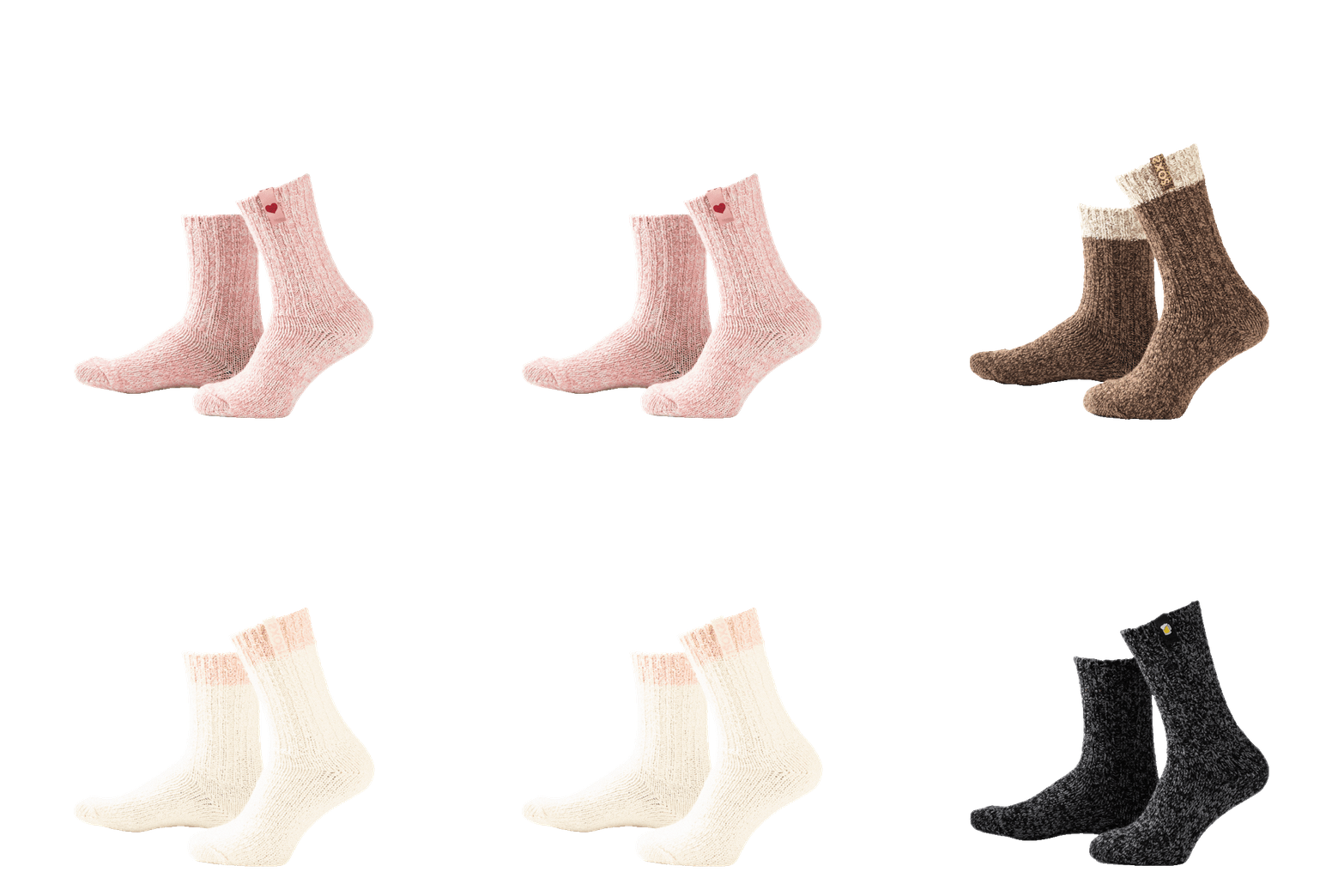
Soft warm premium wool socks
Gift ready, stylishly packaged
Orders placed before 1:00 PM will be shipped today (on weekdays) PLEASE NOTE: The delivery time of Pimp My Soxs is 5 working days!

Yes, wool socks are generally safe and beneficial for people with diabetes. Wool’s natural moisture-wicking properties help keep feet dry, reducing infection risk, while its temperature regulation prevents overheating. The breathable fibres allow proper air circulation, which is important for diabetic foot health. However, proper fit and quality matter significantly for safety.
Wool socks offer unique advantages for diabetic foot care through their natural fibre properties. Unlike synthetic materials, wool naturally wicks moisture away from skin, keeping feet dry and reducing the risk of bacterial growth that can lead to infections.
The temperature-regulating qualities of wool help maintain consistent foot temperature without overheating. This prevents excessive sweating whilst providing warmth when needed. Wool fibres are naturally breathable, allowing air circulation that synthetic materials often block.
Quality wool socks made from materials like New Zealand sheep’s wool combined with elastic polyamide provide excellent moisture management. The natural antimicrobial properties of wool help prevent odour and bacterial development, which is particularly important for people with diabetes who need to maintain optimal foot hygiene.
Modern wool sock construction eliminates the traditional itchiness associated with wool, making them comfortable for extended wear. The elastic properties ensure proper fit without being too tight, which is important for maintaining healthy blood circulation in diabetic feet.
The main risks involve wool allergies and improper fit rather than the material itself. Some people may experience allergic reactions to wool, though modern wool processing techniques have significantly reduced this concern for most individuals.
Fit considerations are particularly important for diabetic feet. Socks that are too tight can restrict blood circulation, whilst loose socks can cause bunching and create pressure points. Seam placement matters significantly with thick or poorly positioned seams that can create friction and potentially lead to sores.
Pure wool socks may be too warm for some people, potentially causing excessive sweating. However, wool blends with materials like polyamide help regulate temperature more effectively whilst maintaining wool’s beneficial properties.
People with severe neuropathy should be cautious with any new sock material, as reduced sensation makes it harder to detect fit issues or irritation. Always inspect feet regularly when trying new sock types, regardless of material.
Look for wool blends rather than pure wool socks. A combination of sheep’s wool with elastic polyamide provides optimal moisture management, temperature regulation, and fit retention without excessive bulk or potential irritation.
Seamless construction or flat seams are important to prevent pressure points and friction. Check that toe seams lie flat and don’t create ridges that could cause discomfort or skin breakdown.
Proper cushioning in heel and forefoot areas provides protection without adding excessive thickness. The socks should offer gentle compression without being restrictive and they should stay in place without leaving marks on your skin.
Choose socks with moisture-wicking properties specifically designed for extended wear. Look for wool that’s been processed to eliminate itchiness whilst maintaining breathability. The elastic content should be sufficient to maintain shape but not so high that it creates tight bands around your leg or ankle.
Size accuracy is particularly important. Wool socks should fit snugly without being tight, with no bunching or excess material that could create friction points.
High-quality wool socks often provide similar benefits to specially marketed diabetic socks, sometimes at better value. Both focus on moisture management, proper fit, and seamless construction, though diabetic socks may include additional features like extra cushioning or antimicrobial treatments.
Diabetic-specific socks typically use synthetic materials designed to mimic wool’s natural properties. However, quality wool naturally provides moisture-wicking, temperature regulation, and antimicrobial benefits without chemical treatments.
Construction-wise, both should offer seamless toe areas, non-restrictive fit, and adequate cushioning. Diabetic socks may have specific zones of cushioning or compression, whilst wool socks rely on the material’s natural properties for comfort and protection.
Cost comparison varies significantly. Specialty diabetic socks can be expensive, whilst quality wool socks often provide similar benefits at competitive prices. The durability of wool also means they may offer better long-term value.
The choice often comes down to individual preference and specific foot care needs. Some people respond better to natural fibres like wool, whilst others prefer the engineered properties of synthetic diabetic socks.
Hand washing is ideal for maintaining wool sock properties important for diabetic foot care. Use cool water and wool-specific detergent to preserve the fibres’ natural moisture-wicking and antimicrobial qualities.
If machine washing, use a wool programme at maximum 30°C with appropriate wool detergent. Never use fabric softener as it can coat the fibres and reduce their moisture-wicking ability, a property that’s particularly important for diabetic foot health.
Air dry wool socks away from direct heat. Avoid tumble drying as heat can shrink the fibres and reduce their beneficial properties. Proper drying maintains the sock’s shape and fit, which is important for diabetic foot comfort.
Rotate between multiple pairs to allow complete drying between wears. This prevents moisture buildup and extends sock life whilst ensuring optimal hygiene. Store clean, dry socks in a well-ventilated area.
Inspect socks regularly for wear, holes, or changes in texture that might affect their protective properties. Replace them when they lose their shape or develop areas that could create pressure points.
Avoid wool socks if you have a confirmed wool allergy, though many people who think they’re allergic to wool can actually tolerate modern processed wool blends. Test with short wearing periods if you’re uncertain about sensitivity.
People with severe peripheral neuropathy should be cautious with any new sock type, including wool. Reduced sensation makes it difficult to detect fit issues or skin irritation that could lead to complications.
During active foot infections or open wounds, follow your healthcare provider’s specific recommendations for foot coverings. Some medical conditions may require specialty materials or treatments that wool socks cannot provide.
If you experience excessive foot sweating that wool cannot manage effectively, synthetic moisture-wicking materials might be more appropriate. Some people with diabetes find that certain synthetic blends work better for their specific circulation or sweating patterns.
Very warm climates or heated indoor environments might make wool socks too warm, potentially causing excessive moisture. In these situations, lighter-weight wool blends or alternative materials may be more suitable for maintaining proper foot health.
Choosing the right socks is an important part of diabetic foot care, and wool offers many natural benefits that support healthy feet. At SOXS, we’ve developed wool socks that combine traditional sheep’s wool with modern polyamide technology, creating comfortable, breathable socks that don’t itch, even for people who are typically sensitive to wool. Our experience shows these socks work well for many people with diabetes who need reliable foot comfort and protection.