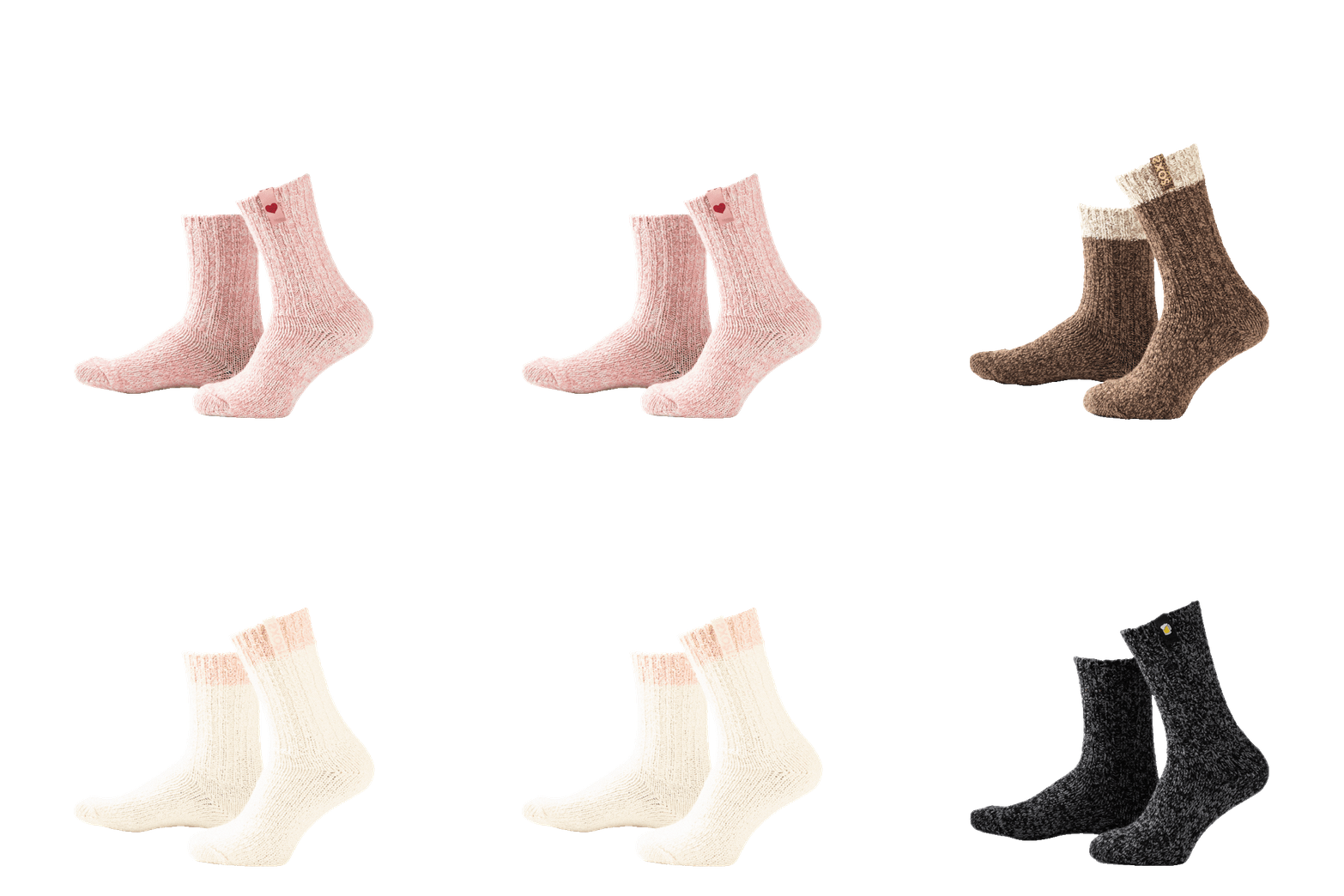
Soft warm premium wool socks
Gift ready, stylishly packaged
Orders placed before 1:00 PM will be shipped today (on weekdays) PLEASE NOTE: The delivery time of Pimp My Soxs is 5 working days!

Wool socks are generally safe for people at risk of necrosis when properly fitted and made from breathable materials. Quality wool socks support healthy circulation through moisture-wicking properties and natural temperature regulation. However, socks with tight elastic bands, synthetic materials that trap moisture, or compression that restricts blood flow can increase necrosis risk. Proper sock selection focuses on breathable natural fibres, appropriate sizing, and features that promote rather than hinder circulation.
Necrosis occurs when body tissues die due to insufficient blood supply, often affecting extremities like feet and toes. Poor circulation reduces oxygen and nutrients reaching tissues, leading to cell death and potentially serious complications.
Your sock choice plays a surprisingly important role in supporting healthy circulation. Tight elastic bands around the ankle or calf can compress blood vessels, reducing blood flow to your feet. Similarly, socks that don’t breathe properly create moisture buildup, which can lead to skin breakdown and increased infection risk.
Quality socks support circulation by maintaining proper moisture levels and avoiding compression points. Natural fibres like wool help regulate temperature and wick moisture away from skin, creating an environment that supports healthy blood flow rather than hindering it.
Wool socks are typically safer than synthetic alternatives for people with circulation concerns because wool naturally breathes, wicks moisture, and provides temperature regulation without tight compression. These properties create an optimal environment for healthy blood flow.
Wool’s natural structure allows air to circulate around your feet whilst moving moisture away from skin. This prevents the damp conditions that can lead to skin problems and bacterial growth. Unlike synthetic materials that can trap heat and moisture, wool adapts to your body temperature, keeping feet comfortable without overheating.
Modern wool sock blends, combining New Zealand sheep’s wool with elastic polyamide, offer additional benefits. The polyamide provides stretch without creating tight compression points, whilst the wool maintains its natural breathability. This combination ensures socks maintain their shape without restricting circulation, even after extended wear.
The key advantage lies in wool’s ability to regulate both temperature and moisture simultaneously. Your feet stay warm when needed but don’t overheat, and moisture moves away from skin rather than accumulating in synthetic fibres.
Avoid socks with tight elastic bands, synthetic materials that don’t breathe, thick seams over pressure points, and any compression that leaves marks on your skin. These features can restrict blood flow and create conditions that increase necrosis risk.
Tight elastic bands around the ankle or calf are particularly problematic because they compress blood vessels at crucial circulation points. If your socks leave indentations or marks on your legs, they’re too tight and potentially restricting blood flow.
Synthetic materials like pure polyester or nylon trap moisture against your skin, creating breeding grounds for bacteria and increasing infection risk. Thick seams, especially over the toes or heel, can create pressure points that reduce circulation to those areas.
Watch out for socks that feel restrictive when you put them on or that you need to stretch significantly to wear. Proper socks should feel comfortably snug without any sensation of tightness or restriction. Your toes should move freely, and you shouldn’t feel any binding around your ankle or calf.
Choose wool socks with flat seams, proper sizing that doesn’t restrict circulation, cushioning in appropriate areas, and blends that provide elasticity without compression. Look for socks specifically designed with circulation support in mind.
Sizing is more important than many people realise. Socks that are too small compress your feet, whilst oversized socks can bunch up and create pressure points. Quality wool socks should fit snugly without feeling tight, with no bunching around the toes or heel.
Seam placement matters significantly for sensitive feet. Flat seams or seamless construction prevents pressure points that can reduce circulation. Avoid socks with bulky seams across the toe area, as these can create uncomfortable pressure when wearing shoes.
Look for wool blends rather than pure wool, as the addition of materials like polyamide provides necessary stretch without sacrificing wool’s natural benefits. The blend should maintain the sock’s shape whilst allowing natural foot movement and expansion throughout the day.
Cushioning should be strategic rather than excessive. Light cushioning in the heel and forefoot areas provides comfort without adding bulk that might restrict circulation in your shoes.
Consult a healthcare provider if you notice persistent coldness in your feet, colour changes in your toes, slow healing wounds, or if you have diabetes or other conditions affecting circulation. Medical guidance becomes important when standard sock recommendations may not be sufficient.
Warning signs that require medical attention include feet that remain cold even in warm environments, toes that turn blue or white, any wounds that heal slowly, or numbness and tingling that doesn’t improve with better sock choices.
People with diabetes, peripheral artery disease, or other circulatory conditions need specialised advice about sock selection. Your doctor may recommend specific medical grade socks or compression levels that differ from general recommendations.
If you’re taking medications that affect circulation or have been diagnosed with any vascular conditions, discuss your sock choices with your healthcare provider. They can provide guidance on appropriate compression levels, materials, and features that support your specific health needs.
Don’t wait if you notice any signs of tissue damage, persistent pain, or changes in foot sensation. Early intervention often prevents more serious complications, and your doctor can help you understand how sock selection fits into your overall foot care routine.
SOXS provides the ideal solution for those concerned about circulation and necrosis risk through expertly crafted wool sock blends that prioritise foot health. Our approach addresses the key factors that matter most for healthy circulation:
• Premium New Zealand wool blend with polyamide for optimal breathability without compression
• Flat seam construction that eliminates pressure points and circulation restrictions
• Precise sizing options to ensure proper fit without tightness or bunching
• Strategic cushioning placement that provides comfort without bulk
• Moisture wicking properties that maintain optimal foot environment
• Temperature regulation that prevents overheating whilst maintaining warmth
Experience the difference that properly designed wool socks can make for your circulation and foot health. Visit our shop today to find the perfect pair that supports your specific needs and keeps your feet healthy and comfortable.