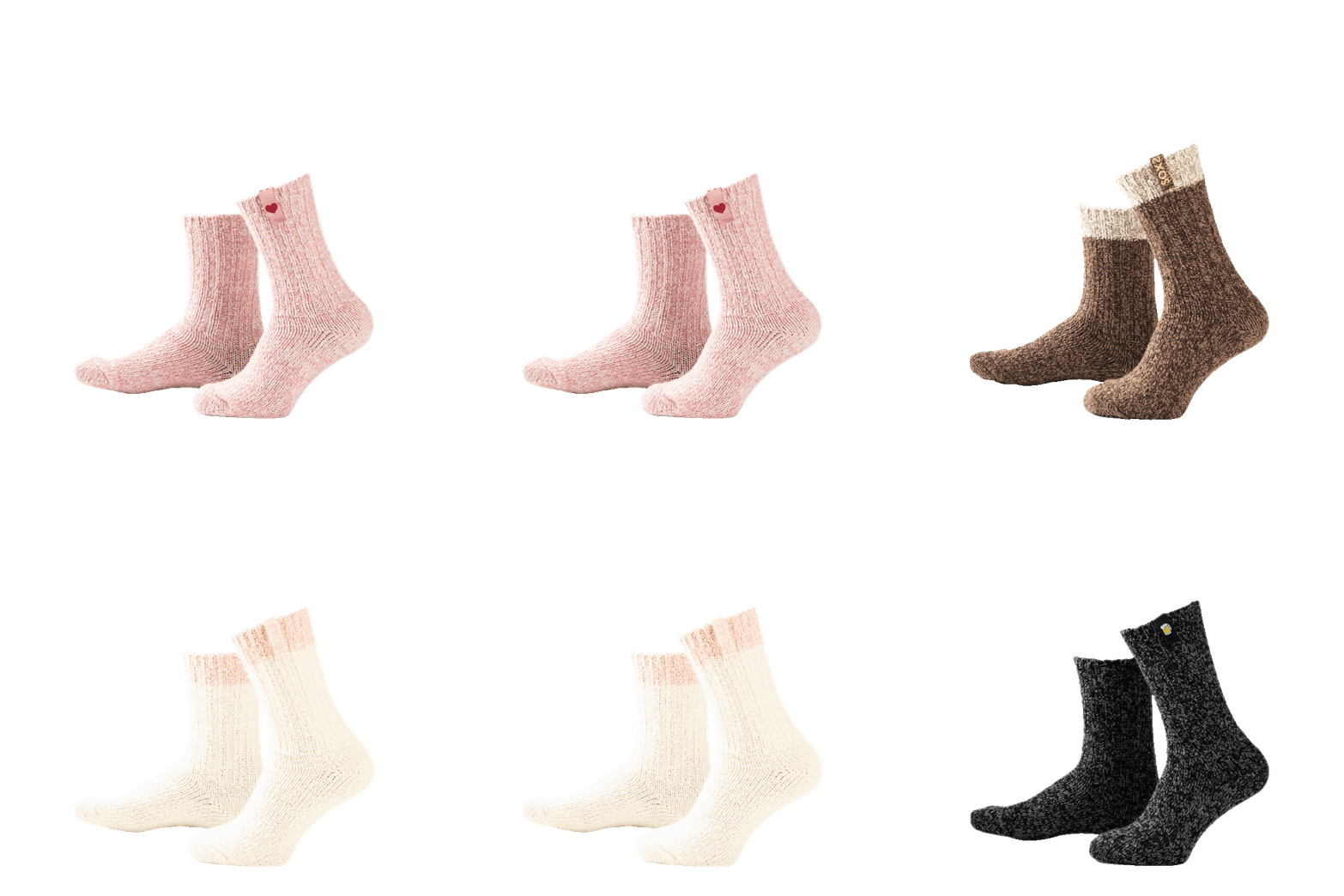
Soft warm premium wool socks
Gift ready, stylishly packaged
Orders placed before 1:00 PM will be shipped today (on weekdays) PLEASE NOTE: The delivery time of Pimp My Soxs is 5 working days!

Wool socks can be beneficial for nerve damage in feet because wool’s natural properties help address common symptoms like sensitivity to temperature and moisture. The soft, breathable fibres provide gentle cushioning while regulating temperature and wicking moisture away from sensitive skin. However, the effectiveness depends on the specific type of nerve damage, sock construction, and individual sensitivities. This guide explores how wool socks work for neuropathy and what to consider when choosing the right pair.
Nerve damage in feet, medically known as peripheral neuropathy, occurs when the nerves that carry messages between your feet and brain become damaged or diseased. This condition commonly causes tingling, numbness, burning sensations, and sharp pains that can make wearing regular socks uncomfortable or even painful.
The impact on daily life can be significant. Many people with nerve damage experience heightened sensitivity to textures, temperatures, and pressure. Even the gentlest touch from clothing or footwear can feel uncomfortable. This sensitivity often makes choosing appropriate socks challenging, as seams, tight elastic bands, or rough materials can worsen symptoms.
Temperature regulation becomes particularly important for people with nerve damage. Their feet may feel unusually cold or hot, and they might not accurately sense temperature changes, which can lead to injury. Poor circulation often accompanies nerve damage, making proper sock selection important for maintaining foot health and comfort throughout the day.
Wool socks offer several natural properties that can provide relief for nerve damage symptoms. Wool’s moisture-wicking abilities keep feet dry, reducing the risk of skin breakdown and infection that people with reduced sensation might not notice. The natural temperature regulation helps maintain consistent warmth without overheating sensitive feet.
The soft, natural cushioning of wool fibres provides gentle protection against pressure points and friction. Unlike synthetic materials that can feel harsh against sensitive skin, quality wool creates a buffer between your foot and shoe. This cushioning effect can help reduce the sharp or burning sensations that many people with neuropathy experience.
Wool’s natural elasticity means the socks maintain their shape without creating tight spots or constricting areas that could impede circulation. Good blood flow is particularly important for people with nerve damage, as poor circulation can worsen symptoms and slow healing of any minor injuries.
Wool’s natural breathability surpasses most synthetic materials because the fibres have a complex structure that allows air to circulate freely. This prevents the buildup of moisture and heat that can irritate sensitive skin affected by nerve damage. Natural wool fibres also have antimicrobial properties that help prevent bacterial growth and odours.
The softness of quality wool comes from the natural crimp in the fibres, which creates tiny air pockets that provide cushioning. Synthetic materials often feel flat and harsh in comparison, potentially aggravating sensitive nerve endings. Wool also adapts to your foot’s temperature, warming when you’re cold and cooling when you’re warm.
Modern wool blends, particularly those combining New Zealand sheep wool with small amounts of synthetic fibres like polyamide, offer the benefits of wool without traditional drawbacks like itching or excessive wear. These blends maintain wool’s natural properties while improving durability and fit retention.
When selecting wool socks for nerve damage, prioritise seamless toe construction or flat seams that won’t create pressure points against sensitive areas. Look for socks with cushioning in the heel and forefoot areas, but avoid excessive thickness that might make shoes feel tight and restrict circulation.
Choose socks with gentle, non-binding tops that won’t constrict your leg or ankle. The elastic should be minimal and well distributed rather than concentrated in a tight band. Some people with nerve damage benefit from light compression, while others find any compression uncomfortable, so consider your specific needs.
Pay attention to the wool blend composition. Pure wool can sometimes feel too warm or bulky, while blends with wool and synthetic fibres often provide the ideal balance of comfort, durability, and temperature regulation. Ensure the socks fit properly without being too loose (which can cause bunching and friction) or too tight (which can restrict circulation).
Some people may experience wool allergies or sensitivities, though modern wool blends are often tolerable even for those who react to pure wool. If you have a known wool allergy, test a small area first or consider alternative natural fibres like bamboo or cotton blends specifically designed for sensitive skin.
Wool socks typically cost more than synthetic alternatives and require more careful maintenance. They need gentle washing and air drying, which might be challenging if you have limited mobility or dexterity due to your condition. The initial investment and ongoing care requirements can be drawbacks for some people.
In very warm climates or for people whose nerve damage makes them feel excessively hot, wool socks might provide too much insulation. Additionally, if your feet swell significantly, the natural structure of wool might not accommodate dramatic size changes as well as some synthetic materials designed for compression and stretch.
Proper care extends the life of wool socks and maintains their therapeutic properties. Hand washing is gentlest, but you can use a washing machine’s wool cycle with wool specific detergent. Wash at maximum 30°C and use a gentle spin cycle of no more than 600 revolutions per minute to prevent damage to the fibres.
Never put wool socks in the dryer, as heat can cause shrinking and damage the natural properties that make them beneficial for sensitive feet. Instead, gently squeeze out excess water (don’t wring) and lay them flat on a clean towel to air dry away from direct heat or sunlight.
Store clean, dry wool socks in a breathable location. Cedar balls or lavender sachets can help deter moths naturally. If your socks develop small holes, consider darning them rather than discarding them, as this extends their useful life and maintains the environmental benefits of choosing natural fibres.
Rotate between multiple pairs to allow each pair to fully dry and recover their shape between wears. This practice also reduces the frequency of washing, which helps preserve the sock’s beneficial properties over time.
Finding the right socks for nerve damage requires balancing comfort, function, and personal preferences. Quality wool socks offer natural properties that can provide relief from common neuropathy symptoms, but they’re not suitable for everyone. Consider your specific needs, sensitivities, and lifestyle when making your choice. At SOXS, we understand the importance of foot comfort and have developed wool blends that combine traditional benefits with modern technology to create socks that are gentle, effective, and suitable even for those with sensitive feet.