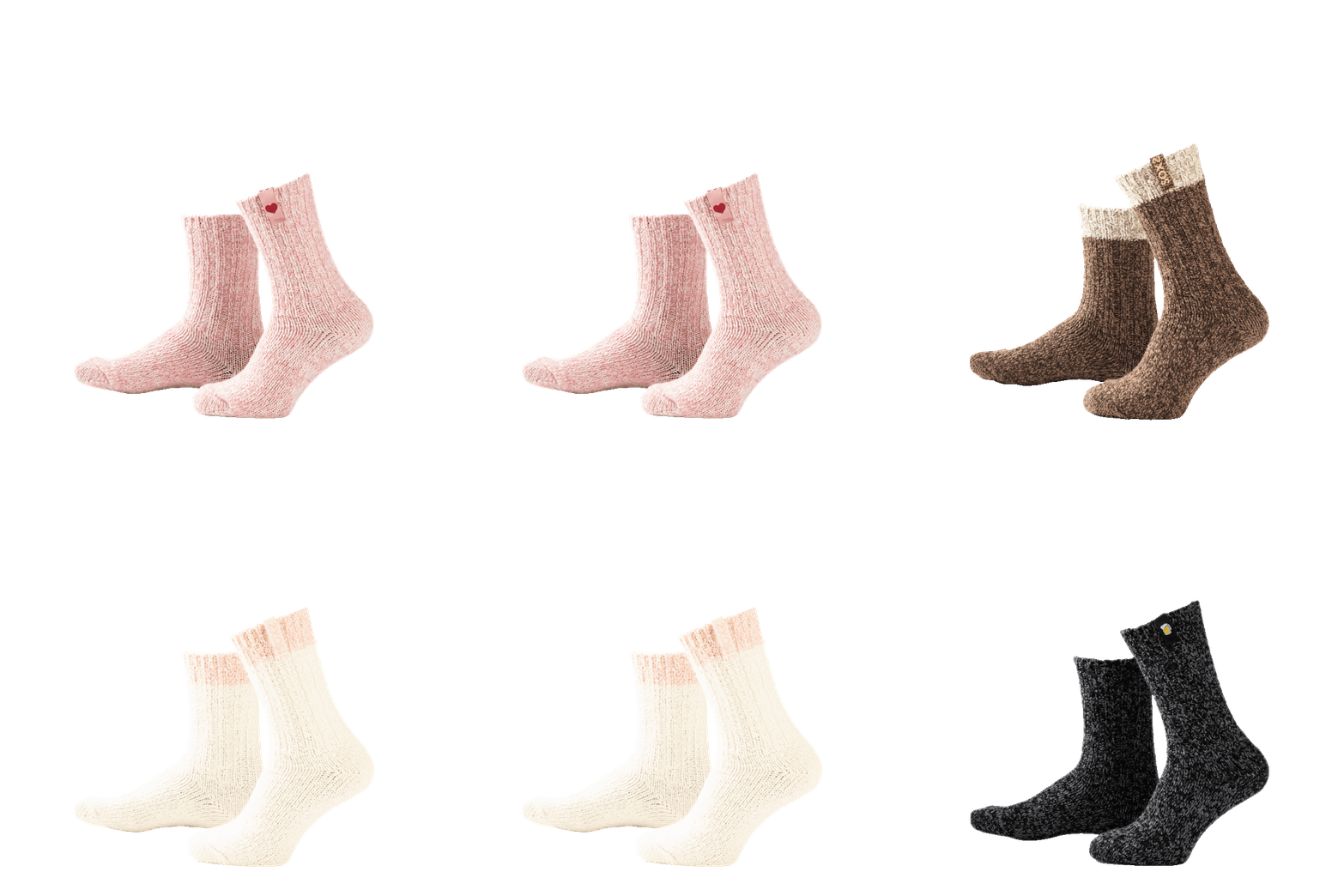
Soft warm premium wool socks
Gift ready, stylishly packaged
Orders placed before 1:00 PM will be shipped today (on weekdays) PLEASE NOTE: The delivery time of Pimp My Soxs is 5 working days!

Yes, wool socks are naturally antibacterial due to wool’s inherent antimicrobial properties. Wool fibres contain lanolin and have a unique structure that inhibits bacterial growth, making them naturally resistant to odour-causing bacteria without chemical treatments. This natural antibacterial quality helps keep your feet fresher for longer periods compared to synthetic materials.
Wool possesses inherent antimicrobial properties that come from its natural composition and fibre structure. The lanolin content in wool acts as a natural antimicrobial agent, creating an environment that’s hostile to bacteria growth. Unlike synthetic materials that require chemical treatments to achieve antibacterial effects, wool’s antimicrobial qualities are built into the fibre itself.
The unique structure of wool fibres also contributes to their antibacterial nature. Wool fibres have a scaly surface and complex internal structure that makes it difficult for bacteria to establish colonies. The protein-based composition of wool creates an environment where harmful bacteria struggle to thrive, whilst the natural pH of wool fibres further inhibits bacterial growth.
This natural resistance means wool socks can maintain freshness even during extended wear, making them ideal for activities where you can’t change socks frequently. The antibacterial properties work continuously without washing out or degrading over time, unlike chemically treated synthetic alternatives.
Wool socks prevent odour through superior moisture management and natural bacterial resistance. Wool’s ability to absorb up to 30% of its weight in moisture whilst still feeling dry creates an environment that’s less conducive to bacterial growth, as bacteria thrive in warm, moist conditions.
The breathable structure of wool allows air circulation around your feet, helping to regulate temperature and prevent the buildup of moisture that bacteria need to multiply. When moisture is absorbed into the wool fibre, it’s held within the fibre’s core rather than sitting on the surface where bacteria typically flourish.
Wool’s natural antibacterial properties work alongside its moisture-wicking abilities to create a double defence against odour. Even when wool socks do absorb sweat and moisture during activities like hiking or long workdays, the natural antimicrobial action continues to inhibit the bacteria that would normally cause unpleasant smells.
This combination of moisture management and bacterial resistance means wool socks stay fresher for multiple days of wear, making them particularly valuable for outdoor activities, travel, or situations where regular sock changes aren’t practical.
Not all wool types offer equal antibacterial properties. Merino wool generally provides the strongest antimicrobial effects due to its finer fibres and higher lanolin content. Regular sheep’s wool also has good antibacterial qualities, whilst wool blends may have reduced antimicrobial properties depending on the synthetic content.
Merino wool stands out for its superior antibacterial performance because of its ultra-fine fibres and natural composition. The smaller fibre diameter creates more surface area for lanolin distribution, enhancing the antimicrobial effect. Additionally, merino wool’s softer texture doesn’t compromise the natural properties that make wool antibacterial.
Wool blends that combine natural wool with synthetic materials like polyamide maintain some antibacterial benefits from the wool content. However, the synthetic components don’t contribute antimicrobial properties, so the overall antibacterial effect may be diluted compared to pure wool options.
The processing method also affects antibacterial properties. Wool that’s been heavily processed or treated with harsh chemicals may have reduced natural antimicrobial qualities. High-quality, minimally processed wool typically retains the strongest antibacterial characteristics.
Wool socks offer permanent, natural antibacterial properties, whilst synthetic antibacterial socks rely on chemical treatments that can wash out over time. Wool’s antimicrobial action is built into the fibre structure and doesn’t degrade with washing, making it more reliable for long-term odour control.
Synthetic antibacterial socks typically use silver ions, copper treatments, or other antimicrobial chemicals applied during manufacturing. These treatments can be effective initially but often lose potency after repeated washing cycles. You might notice synthetic antibacterial socks becoming less effective at preventing odours after several months of regular use.
From an environmental perspective, wool’s natural antibacterial properties don’t require additional chemical processing or treatments. This makes wool socks a more sustainable choice compared to synthetic alternatives that rely on chemical antimicrobials, which can have environmental implications during production and disposal.
Wool also provides additional benefits beyond antibacterial properties, including superior temperature regulation, moisture management, and comfort. Synthetic antibacterial socks may address odour control but often lack wool’s comprehensive performance characteristics for foot health and comfort.
Yes, you should still wash wool socks regularly despite their antibacterial properties. Whilst wool’s natural antimicrobial qualities mean you can wear them longer between washes compared to cotton or synthetic socks, regular cleaning is important for hygiene, removing dead skin cells, and maintaining the socks’ performance.
Wool socks can typically be worn 2 to 3 times between washes for normal daily activities, or even longer for light use. However, after intense physical activity or in hot conditions, washing after each wear is still recommended. The antibacterial properties help prevent odour buildup, but they don’t eliminate the need for proper hygiene practices.
When washing wool socks, use a gentle wool programme at maximum 30°C with wool-specific detergent. Hand washing is ideal for preserving the natural properties and extending sock life. Avoid fabric softeners, which can coat the fibres and reduce their natural antibacterial effectiveness.
Proper care actually helps maintain wool’s antibacterial properties. Gentle washing removes buildup that could interfere with the natural antimicrobial action, whilst avoiding harsh detergents preserves the lanolin content that contributes to bacterial resistance. Never tumble dry wool socks, as high heat can damage the fibres and reduce their natural properties.
Beyond antibacterial properties, wool socks offer excellent temperature regulation, superior moisture management, and comfort for sensitive skin. Wool naturally adapts to your body temperature, keeping feet warm in cold conditions and cool when it’s warm, making them suitable for year-round wear.
The moisture-wicking properties of wool help prevent common foot problems like blisters, athlete’s foot, and general discomfort from sweaty feet. Wool can absorb significant moisture whilst still feeling dry against your skin, reducing the risk of fungal infections that thrive in damp environments.
For people with sensitive skin or wool allergies, modern wool sock blends often provide the benefits of wool without irritation. The combination of natural wool with small amounts of synthetic fibres like polyamide creates socks that don’t itch whilst maintaining most of wool’s natural properties.
Wool socks also promote better circulation due to their natural elasticity. Unlike tight cotton socks that can restrict blood flow, quality wool socks provide gentle compression without being restrictive. This makes them particularly beneficial for people who spend long hours on their feet or have circulation concerns.
The cushioning properties of wool provide natural comfort and support, reducing foot fatigue during long periods of standing or walking. This makes wool socks an excellent choice for work boots, hiking, or any activity where foot comfort is important.
Wool socks truly offer a natural solution for foot health and comfort. At SOXS, we’ve combined traditional New Zealand sheep’s wool with modern technology to create socks that harness all these natural benefits whilst remaining completely itch-free and durable for everyday wear.