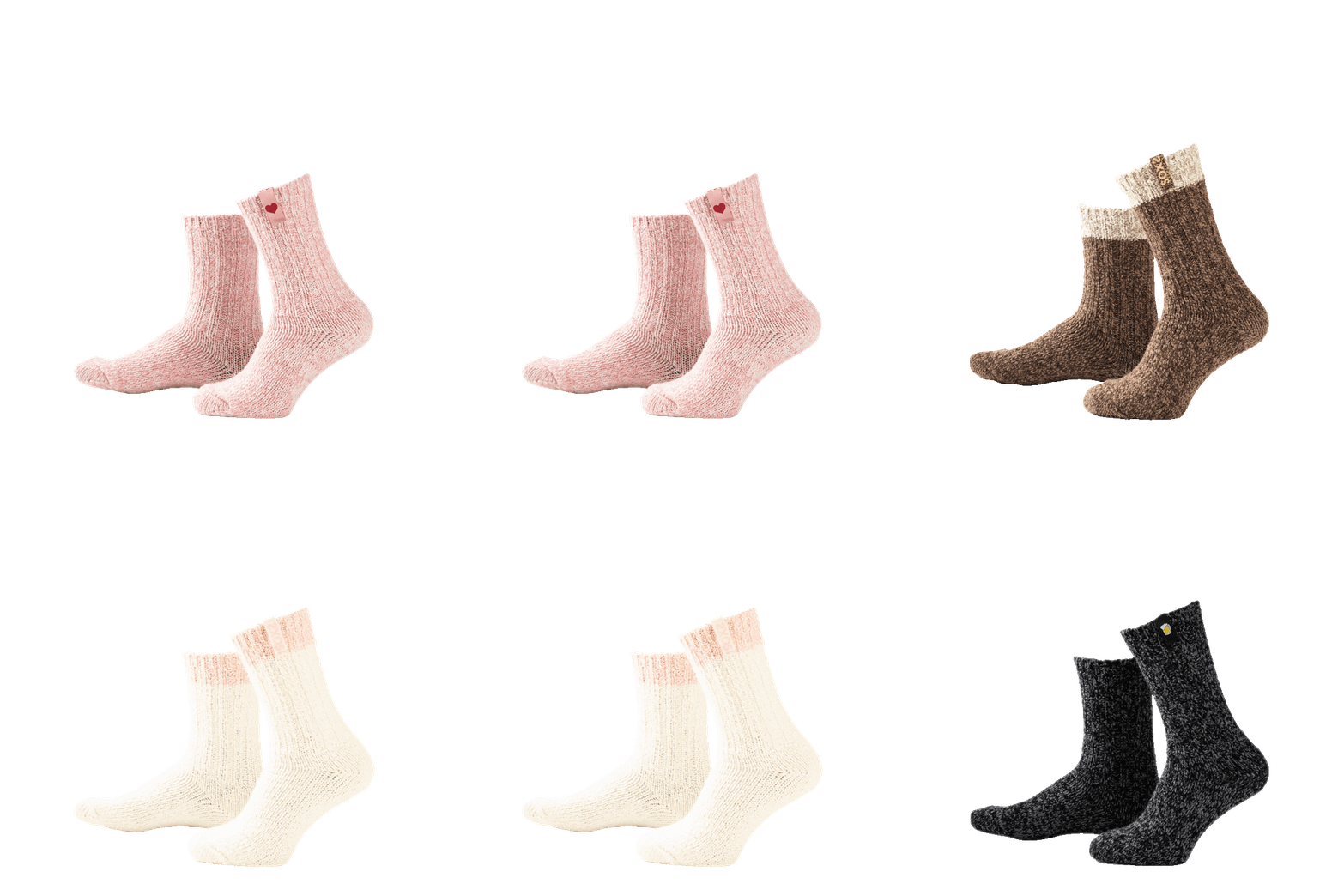
Soft warm premium wool socks
Gift ready, stylishly packaged
Orders placed before 1:00 PM will be shipped today (on weekdays) PLEASE NOTE: The delivery time of Pimp My Soxs is 5 working days!

Yes, there are special medical wool socks designed specifically for therapeutic purposes. These therapeutic socks combine wool’s natural properties with medical-grade construction to address various health conditions. Unlike regular wool socks, medical wool socks feature specific design elements like graduated compression, seamless toes, and enhanced moisture management to support foot health and circulation.
Wool socks excel in medical applications because of their unique natural properties that directly support foot health. The moisture-wicking capabilities of wool keep feet dry, preventing bacterial growth and infections that can be particularly dangerous for people with compromised immune systems or diabetes.
Temperature regulation is another critical benefit. Wool naturally maintains optimal foot temperature, keeping feet warm in cold conditions while allowing breathability in warmer environments. This prevents the extreme temperature fluctuations that can damage sensitive skin or interfere with circulation.
The antimicrobial properties inherent in wool fibres help reduce odour and bacterial growth without chemical treatments. This natural protection is particularly valuable for people who need to wear socks for extended periods or have conditions that make them susceptible to foot infections.
Wool’s natural elasticity provides gentle cushioning that adapts to foot shape without creating pressure points. This flexibility helps prevent blisters, pressure sores, and other complications that can develop from ill-fitting footwear.
Diabetic wool socks address the specific foot care challenges faced by people with diabetes through superior moisture control and gentle compression. Diabetes can reduce sensation in feet and slow healing, making proper sock selection crucial for preventing serious complications.
The moisture-wicking properties of wool help prevent the damp conditions where bacteria and fungi thrive. For diabetics, even minor foot infections can become serious medical emergencies, so keeping feet dry is a critical preventive measure.
Wool’s natural breathability supports healthy circulation by allowing air flow around the feet. Many diabetic wool socks are designed with gentle compression rather than regular socks, ensuring they don’t restrict blood flow while still providing support.
The soft, cushioning properties of quality wool help prevent pressure sores and ulcers that can develop from friction or pressure points. The natural elasticity means the socks adapt to foot swelling throughout the day without becoming tight or restrictive.
Medical-grade wool socks feature specific construction differences that distinguish them from everyday wool socks. Therapeutic wool hosiery typically includes seamless toe construction to eliminate pressure points that could cause blisters or sores in sensitive feet.
The compression levels in medical wool socks are carefully calibrated. While regular socks may have inconsistent compression, medical versions offer graduated compression that’s strongest at the ankle and decreases toward the calf, promoting healthy blood flow.
Material composition also differs significantly. Medical wool socks often use finer wool fibres blended with specific synthetic materials to enhance durability and moisture management while maintaining the therapeutic benefits of wool.
Fit specifications are more precise in medical-grade options. These socks are designed to accommodate swelling, provide consistent support throughout the day, and avoid the bunching or sliding that can create friction points.
Wool socks can support healthy circulation through their natural elasticity and breathability, though they’re not a substitute for medical treatment. The gentle, adaptive compression of quality wool helps promote blood flow without restricting circulation like tight synthetic socks might.
Compression wool socks specifically designed for circulation support combine wool’s natural benefits with graduated compression technology. These socks apply controlled pressure that helps blood return from the feet to the heart more efficiently.
The temperature-regulating properties of wool also support circulation. Consistent, comfortable foot temperature helps maintain healthy blood flow, while extreme cold or heat can cause blood vessels to constrict or dilate inappropriately.
For people with mild swelling or circulation concerns, wool socks with gentle compression can accommodate fluctuations in foot size throughout the day without becoming restrictive. This adaptability helps maintain comfort and circulation even when feet swell slightly.
Several medical conditions see significant benefits from therapeutic wool socks. People with diabetes benefit from wool’s moisture control and gentle cushioning, which helps prevent the foot complications that can be life-threatening for diabetics.
Those with arthritis find relief from wool’s natural warmth and cushioning properties. The consistent temperature regulation helps reduce joint stiffness, while the soft texture doesn’t aggravate sensitive, swollen joints.
Poor circulation disorders, including peripheral artery disease, benefit from wool’s temperature regulation and the graduated compression available in medical wool socks. The natural breathability supports healthy blood flow.
Neuropathy patients appreciate wool’s soft texture and moisture management. Since reduced sensation makes it harder to detect problems early, wool’s antimicrobial properties and blister prevention become particularly important.
People prone to fungal infections benefit significantly from wool’s natural antimicrobial properties and superior moisture-wicking capabilities, which create an environment that is inhospitable to fungal growth.
Selecting appropriate medical wool socks starts with identifying your specific health requirements and consulting with your healthcare provider about any particular features you need. Different conditions require different sock characteristics.
Consider the compression level carefully. People with circulation issues may benefit from graduated compression, while those with diabetes often need minimal compression to avoid restricting blood flow. Your doctor can recommend appropriate compression levels.
Wool type matters for comfort and effectiveness. Merino wool is typically softer and tends to cause irritation, while wool blends with synthetic fibres offer enhanced durability and moisture management without sacrificing therapeutic benefits.
Sizing is crucial for medical socks. They should fit snugly without being tight, accommodate any swelling that occurs throughout the day, and not bunch or slide inside your shoes. Many medical sock brands offer detailed sizing charts based on foot measurements rather than just shoe size.
Look for specific features that address your needs: seamless toes for sensitive feet, extra cushioning for pressure relief, or antimicrobial treatments for enhanced infection prevention. Quality medical wool socks often cost more than regular socks but provide better long-term foot health outcomes.
When you’re ready to experience the therapeutic benefits of expertly crafted wool socks, SOXS offers premium options made from humanely sourced New Zealand wool. Our family-run company combines traditional wool craftsmanship with modern technology to create socks that support both foot health and environmental sustainability.