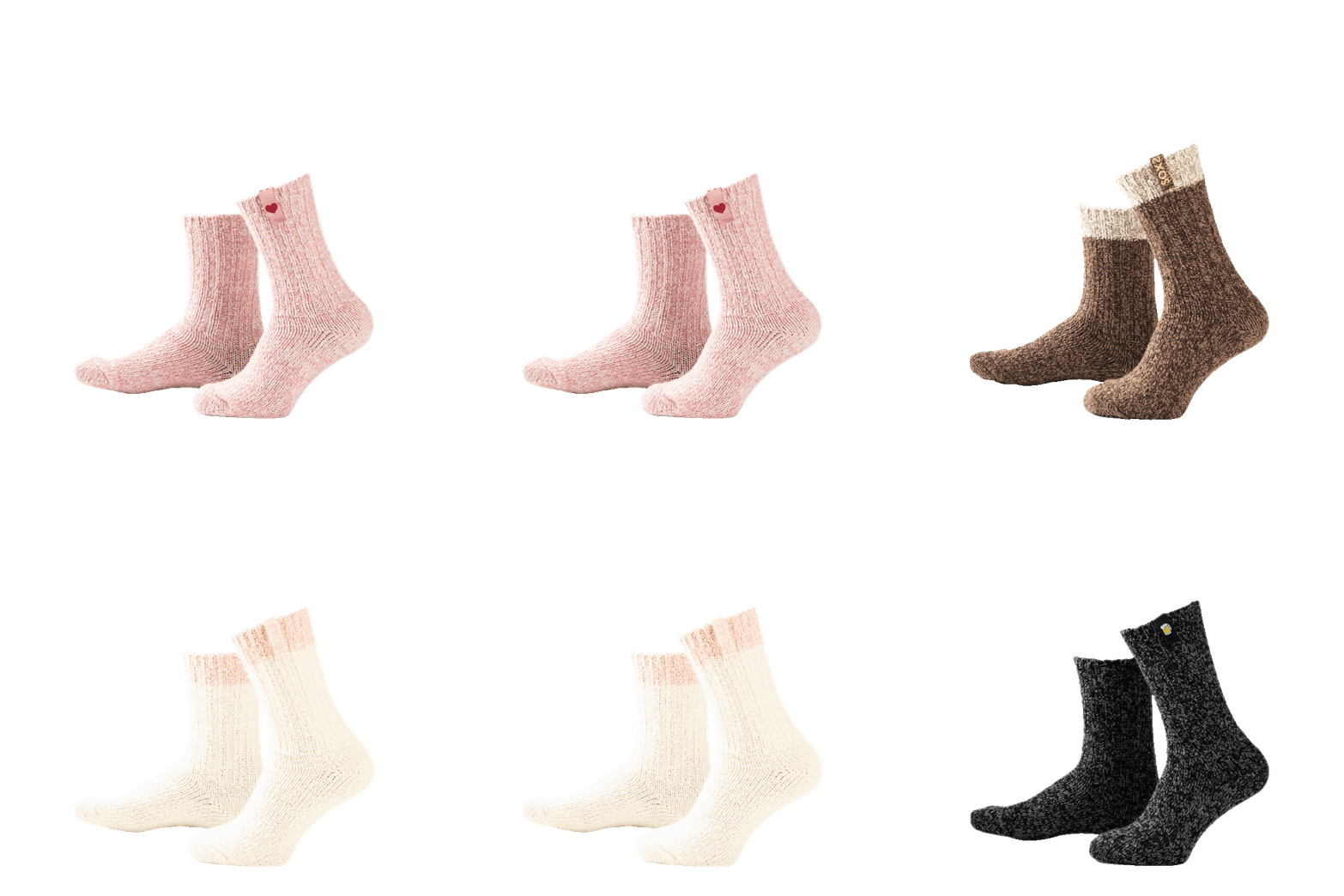
Soft warm premium wool socks
Gift ready, stylishly packaged
Orders placed before 1:00 PM will be shipped today (on weekdays) PLEASE NOTE: The delivery time of Pimp My Soxs is 5 working days!

Wool socks can be suitable for people with diabetes, particularly those made from high-quality merino wool with proper construction features. Wool’s natural moisture-wicking and temperature-regulating properties support healthy circulation and foot comfort. However, diabetics should choose wool socks specifically designed for sensitive feet, ensure proper fit, and consult healthcare providers about their individual needs and any specific foot care requirements.
Wool socks offer unique benefits for diabetic foot care through their natural moisture-wicking, breathability, and temperature regulation properties. These characteristics help maintain optimal foot health by preventing moisture buildup that can lead to bacterial growth and infections.
The natural fibres in quality wool socks create a microenvironment around your feet that adapts to temperature changes. When your feet are warm, wool helps wick moisture away from the skin. When they’re cool, wool provides insulation without trapping dampness. This temperature regulation is particularly important for people with diabetes who may have compromised circulation or reduced sensation in their feet.
Wool’s antibacterial properties also provide an advantage for diabetic foot care. The natural lanolin in wool fibres helps prevent odour-causing bacteria from developing, reducing the risk of infections that can be particularly problematic for people with diabetes. Additionally, high-quality wool blends maintain their shape and cushioning properties longer than many synthetic materials, providing consistent support and comfort.
The main risks of wearing wool socks with diabetes include potential allergic reactions, improper fit issues, and choosing the wrong type of wool construction. Some people may experience skin irritation or allergic reactions to certain wool fibres, though modern wool blends often address these concerns.
Wool allergies can cause itching, redness, or skin irritation that might go unnoticed by diabetics with reduced foot sensation. However, many contemporary wool socks combine traditional sheep’s wool with modern synthetic fibres to create itch-free alternatives that maintain wool’s benefits while reducing allergen potential.
Fit considerations are particularly important for diabetic sock wearers. Wool socks that are too tight can restrict circulation, while loose-fitting socks can bunch up and create pressure points or blisters. Pure wool socks may also shrink if not cared for properly, leading to fit problems over time. This is why many diabetic-friendly wool socks incorporate elastic synthetic fibres to maintain consistent sizing and shape.
Diabetics should prioritise wool socks with seamless toe construction, appropriate cushioning, non-restrictive fit, and high-quality fibre blends. These features work together to provide comfort while minimising potential foot health risks associated with diabetes.
Seamless construction eliminates pressure points and reduces friction that could lead to blisters or sores. Look for socks with flat-seam toes or completely seamless designs, particularly around the toe area where pressure and rubbing are most common.
Cushioning should be strategically placed in high-pressure areas like the heel and forefoot without creating bulk that affects shoe fit. The ideal diabetic wool sock provides gentle padding without compromising circulation or creating tight spots in footwear.
Fibre quality matters significantly for diabetic foot care. Wool blends that combine natural sheep’s wool with synthetic materials like polyamide offer the best of both worlds: wool’s natural benefits with improved durability and fit retention. These blends typically maintain their shape better and provide consistent compression without becoming restrictive.
Wool socks generally outperform cotton and many synthetic materials in moisture management and temperature regulation, while bamboo fibres offer similar benefits with different characteristics. Each material has specific advantages for diabetic foot care depending on individual needs and sensitivities.
Cotton socks, while comfortable, tend to retain moisture against the skin and lose their insulating properties when damp. This can create an environment conducive to bacterial growth and temperature fluctuations that aren’t ideal for diabetic foot health. Cotton also tends to break down faster with regular washing and wear.
Synthetic materials like polyester or nylon can provide good moisture-wicking properties but may not regulate temperature as effectively as natural fibres. They also tend to retain odours more than wool and may not provide the same level of comfort for extended wear.
Bamboo fibres share many of wool’s beneficial properties, including natural antibacterial characteristics and good moisture management. However, bamboo socks may not provide the same level of insulation as wool in cold conditions, and their durability can vary significantly depending on processing methods.
Merino wool stands out for its combination of all these beneficial properties: excellent moisture management, natural temperature regulation, antibacterial properties, and comfort against sensitive skin when properly processed.
Diabetics should avoid wool socks when they have active foot wounds, severe wool allergies, or specific medical recommendations against natural fibres. Additionally, those with severe neuropathy may need specialised medical socks rather than standard wool options.
Open wounds, cuts, or active infections require medical-grade wound care products rather than regular socks of any material. Wool fibres could potentially interfere with healing or introduce complications in compromised skin areas.
If you have a confirmed wool allergy that causes skin reactions, traditional wool socks aren’t appropriate regardless of their other benefits. However, some people who react to pure wool can tolerate high-quality wool blends that have been specially processed to remove irritating fibres.
Severe peripheral neuropathy may require compression socks or other medical devices that provide specific therapeutic benefits beyond what standard wool socks can offer. Your healthcare provider may recommend specialised diabetic socks with graduated compression or other medical features.
Additionally, if your doctor has recommended specific sock materials or features for your particular diabetic foot care needs, follow those guidelines rather than choosing socks based on material preferences alone.
Choosing the right socks is an important part of diabetic foot care, and wool can be an excellent option when selected thoughtfully. The key lies in finding high-quality wool blends that offer comfort, proper fit, and the moisture management benefits that support healthy feet. At SOXS, we understand these needs and have developed wool sock options that combine traditional comfort with modern foot health considerations.