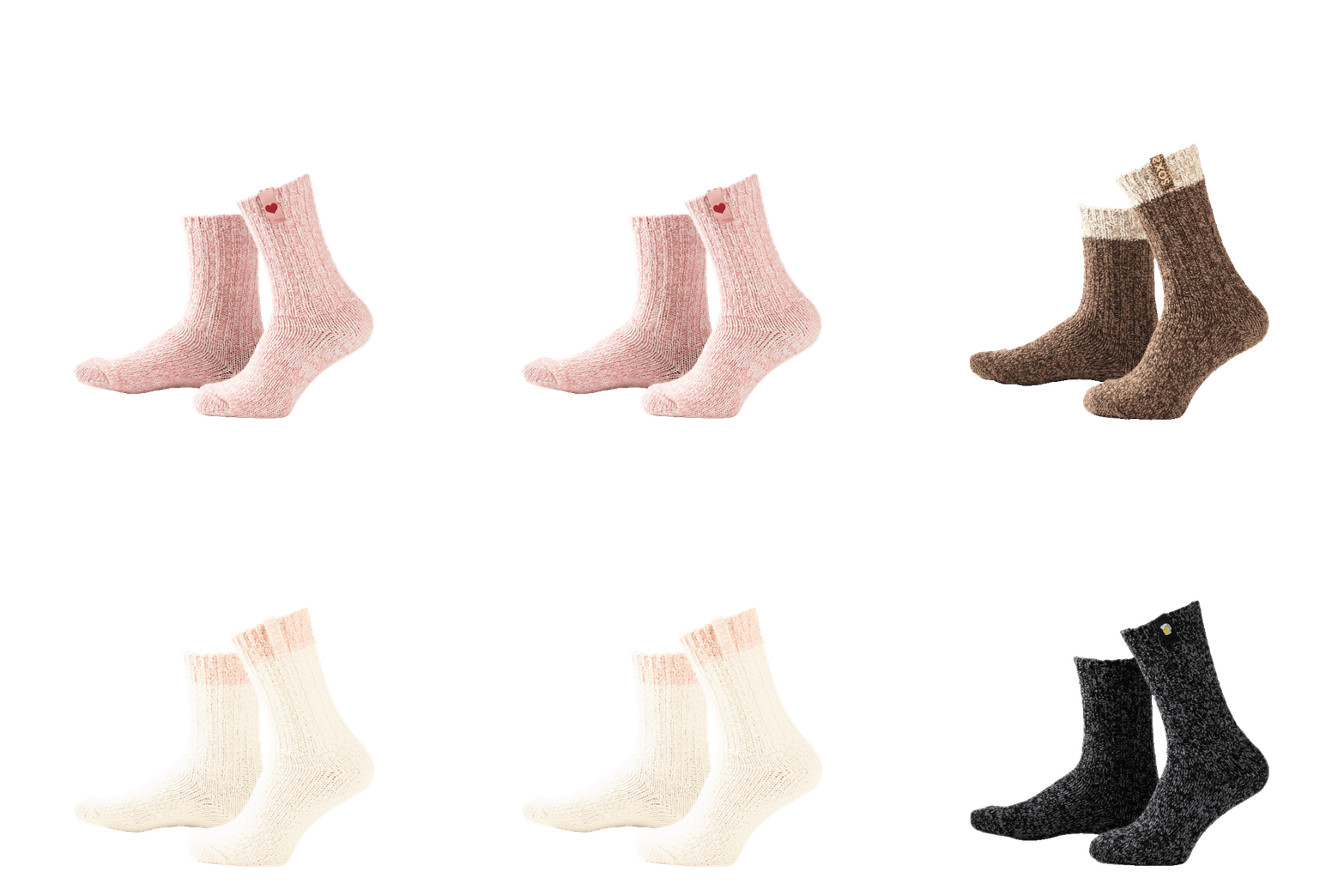
Soft warm premium wool socks
Gift ready, stylishly packaged
Orders placed before 1:00 PM will be shipped today (on weekdays) PLEASE NOTE: The delivery time of Pimp My Soxs is 5 working days!

When you slip on a pair of wool socks, you’re experiencing thousands of years of natural innovation. While synthetic materials promise quick fixes and flashy marketing claims, wool delivers something far more valuable: genuine, lasting comfort that adapts to your body’s needs.
Unlike synthetic fibres that trap heat and moisture, wool’s unique structure creates a microclimate around your feet. Each wool fibre contains tiny air pockets that regulate temperature naturally, while the crimped structure provides elasticity that moves with you. This isn’t just about staying warm – it’s about experiencing comfort that responds to your body throughout the day.
From temperature regulation to moisture management, wool offers benefits that synthetic materials simply cannot match. Let’s explore the nine remarkable ways wool transforms your daily comfort experience.
Wool’s temperature-regulating abilities come from its unique fibre structure. Each wool fibre contains crimped sections that trap air, creating natural insulation pockets. These air spaces expand and contract based on your body temperature, keeping you warm when it’s cold and cool when it’s warm.
The magic happens at the microscopic level. When temperatures drop, wool fibres trap more air for insulation. When you heat up, the structure allows excess heat to escape while maintaining just enough warmth for comfort. This natural thermostat effect means you won’t experience the overheating that synthetic materials often cause.
This temperature adaptability makes wool perfect for varying conditions throughout your day. Whether you’re moving from heated indoor spaces to chilly outdoor air, wool adjusts seamlessly to maintain your comfort level without the need to constantly change clothing.
Wool can absorb up to 30% of its weight in moisture while still feeling completely dry to the touch. This remarkable property comes from wool’s hygroscopic nature – the fibres actually absorb moisture vapour from your skin and transport it away from your body.
The moisture-wicking process works through capillary action within the wool fibres. As perspiration builds up, wool draws it into the fibre core, where it’s held without creating that clammy feeling you get with synthetic materials. The moisture then evaporates gradually from the outer surface of the fibre.
This moisture management prevents bacterial growth that causes odours. Unlike synthetic materials that trap moisture on the surface where bacteria thrive, wool’s natural properties create an environment that’s naturally antimicrobial. You’ll notice your wool garments stay fresh much longer between washes.
The natural crimp in wool fibres gives them inherent elasticity. This crimped structure acts like tiny springs, allowing wool fabric to stretch when you move and then return to its original shape. This elasticity reduces pressure points and prevents the binding feeling you often get with rigid synthetic materials.
Wool’s flexibility means it conforms to your body’s contours without losing its shape over time. The fibres can bend up to 20,000 times before breaking, compared to cotton, which breaks after about 3,000 bends. This durability ensures consistent comfort throughout extended wear.
The stretch and recovery properties of wool also mean better fit retention. Your wool garments won’t develop saggy areas or lose their shape after a day’s wear, maintaining that comfortable, supportive feel from morning until evening.
Modern wool processing has completely transformed the comfort experience. The “itchy wool” reputation comes from older processing methods and coarser wool types. Today’s merino wool, for example, has fibres that are much finer than traditional wool – often thinner than human hair.
The fineness of modern wool fibres means they bend easily when they contact your skin, rather than poking and irritating like coarse fibres do. High-quality merino wool feels incredibly soft and smooth against your skin, often softer than cotton or synthetic alternatives.
Quality wool processing also removes the coarser outer fibres and any remaining lanolin that might cause sensitivity. The result is wool that feels luxurious and gentle, making it suitable even for people with sensitive skin who previously avoided wool products.
Wool contains natural antimicrobial properties that synthetic materials simply cannot replicate. The lanolin in wool fibres acts as a natural antibacterial agent, inhibiting the growth of odour-causing bacteria and fungi.
The structure of wool fibres also plays a role in odour prevention. Because wool absorbs moisture into the fibre core rather than leaving it on the surface, bacteria have less opportunity to multiply. The slightly acidic pH of wool creates an environment that’s naturally hostile to harmful microorganisms.
This antimicrobial action means you can wear wool garments multiple times before washing without developing unpleasant odours. This isn’t just convenient – it’s also better for the environment and extends the life of your garments by reducing the frequency of washing cycles.
The natural crimp and elasticity of wool fibres create excellent cushioning properties. When wool is used in socks or insoles, each step compresses the fibres, which then spring back to their original shape, providing natural shock absorption.
This cushioning effect reduces foot fatigue during long periods of standing or walking. The wool fibres act like tiny shock absorbers, distributing pressure more evenly across your foot and reducing stress on pressure points that can cause discomfort or pain.
The padding effect of wool also improves with use. As the fibres settle and conform to your foot shape, they create customised cushioning that provides targeted support where you need it most, making each step more comfortable than the last.
Wool’s fibre structure creates natural ventilation channels that allow air to circulate freely. Unlike synthetic materials that can create a barrier effect, wool’s porous structure permits airflow while maintaining insulation properties.
The breathability of wool comes from the spaces between fibres and the natural porosity of individual wool fibres. This allows excess heat and moisture to escape while preventing cold air from reaching your skin directly. You get the best of both worlds – ventilation and protection.
This superior breathability prevents the stuffy, overheated feeling that synthetic materials often create. Your skin can regulate its temperature naturally, reducing sweating and maintaining a comfortable microclimate around your body throughout the day.
Wool fibres respond dynamically to environmental humidity levels. When the air is dry, wool releases stored moisture to help maintain comfortable humidity around your skin. When humidity is high, wool absorbs excess moisture from the air and your body.
This humidity-buffering effect means wool provides consistent comfort across different weather conditions and environments. Whether you’re in air-conditioned offices, humid outdoor conditions, or dry heated spaces, wool adjusts to maintain optimal comfort levels.
The ability to respond to humidity changes makes wool particularly valuable for people who move between different environments throughout the day. You won’t experience the discomfort of sudden humidity changes because wool creates a stable microenvironment around your body.
Quality wool products can last for decades with proper care, far outlasting synthetic alternatives that typically degrade within a few years. Wool’s natural elasticity and resilience mean it maintains its shape and performance characteristics over time.
The durability of wool comes from its complex fibre structure. Each wool fibre can bend thousands of times without breaking, and the natural oils in wool help maintain flexibility and prevent brittleness. This resilience translates to garments that look and feel good year after year.
Investing in quality wool products provides better long-term value than repeatedly replacing cheaper synthetic alternatives. The comfort benefits of wool actually improve over time as the fibres conform to your body, creating personalised comfort that synthetic materials cannot match.
The nine comfort advantages of wool work together to create an experience that synthetic materials simply cannot replicate. From natural temperature regulation to superior durability, wool addresses your comfort needs in ways that feel almost magical but are grounded in thousands of years of natural evolution.
When you choose wool, you’re not just selecting a material – you’re investing in comfort technology that adapts to your body’s needs throughout the day. The moisture management, cushioning, breathability, and temperature regulation work in harmony to keep you comfortable in any situation.
SOXS delivers all these natural wool benefits through our carefully crafted sock collections, using ethically sourced merino wool that maximises comfort and performance. Our approach ensures you experience every advantage wool offers:
Ready to transform your daily comfort with premium wool? Discover our collection and experience how expertly crafted wool socks can revolutionise your comfort throughout every day.
Wash wool items in cool water (30°C or less) using a wool-specific detergent, and avoid wringing or twisting. Air dry flat away from direct heat or sunlight. For socks, turn them inside out before washing to preserve the fibre structure. Many wool items only need washing after 3-4 wears due to their natural antimicrobial properties.
Yes, hot water can cause wool fibres to felt and shrink permanently. If this happens, you can try gently stretching the damp garment back to size and laying it flat to dry, but prevention is key. Always check care labels and use cool water settings to maintain wool's natural elasticity and comfort properties.
Modern merino wool is much finer than traditional wool (often under 18.5 microns) and feels incredibly soft against skin. However, true wool allergies are rare – most people react to lanolin or coarse fibres in lower-quality wool. Start with a high-quality merino wool item for a short period to test your skin's response.
Look for specific wool types like 'merino wool' rather than generic 'wool' labels. Check the micron count – finer fibres (under 19 microns) feel softer. Quality wool should feel smooth, not scratchy, and have good elasticity when gently stretched. Reputable brands will specify their wool sources and processing methods.
Wool absorbs moisture into the fibre core while still feeling dry, then releases it gradually through evaporation. Synthetic materials typically move moisture to the surface where it can feel clammy and create bacterial growth. Wool's natural antimicrobial properties also prevent odours that synthetics cannot address.
Wool's temperature-regulating properties make it suitable for year-round wear. In summer, lightweight merino wool actually keeps you cooler than many synthetic materials by allowing better airflow and moisture management. The key is choosing the right weight – lighter wool knits for warm weather, heavier for cold conditions.
Wool requires more complex processing and sourcing than synthetic materials, but offers superior longevity and performance. Quality wool products can last decades versus a few years for synthetics, making them more cost-effective long-term. The natural comfort benefits and reduced washing frequency also add value over time.