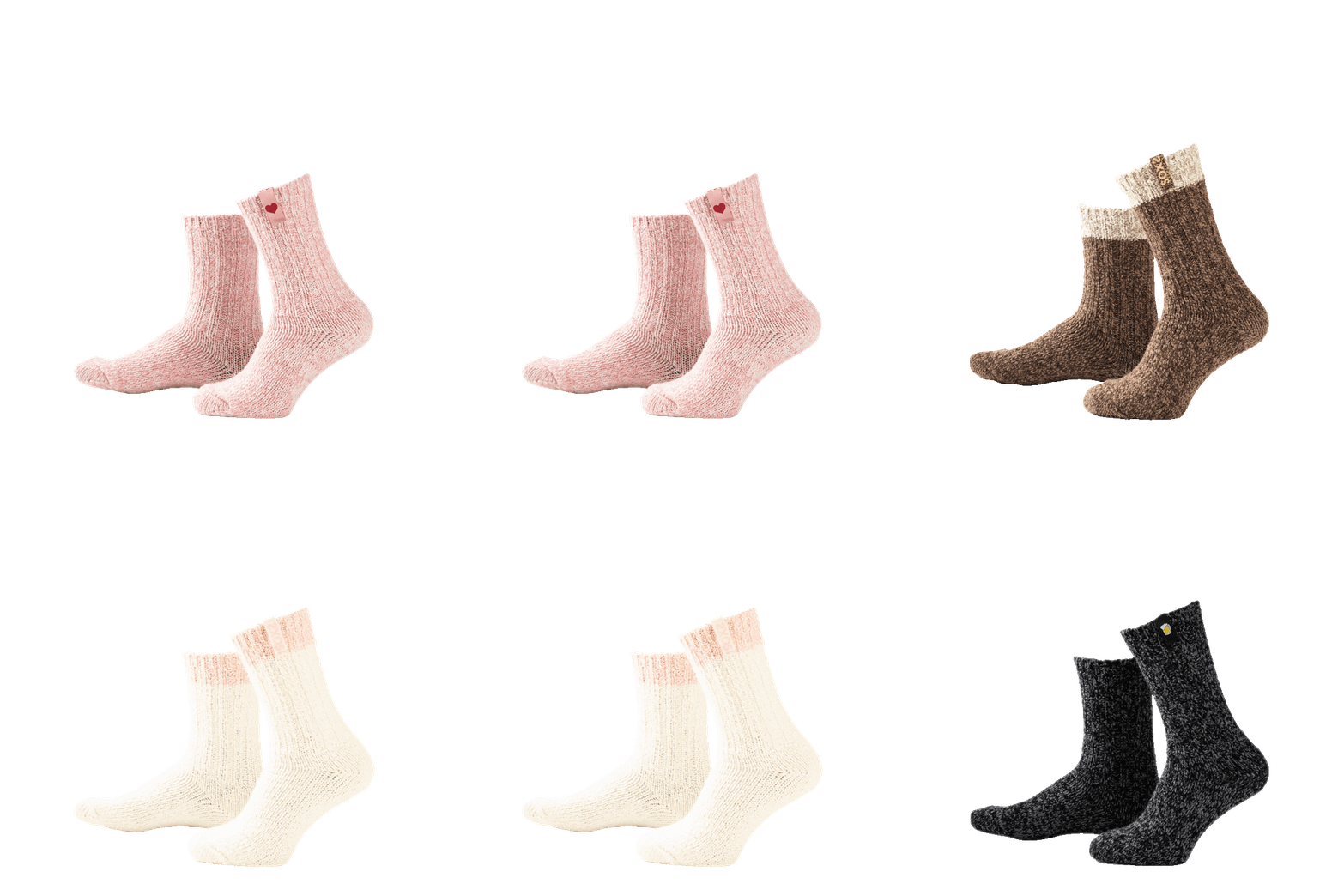
Soft warm premium wool socks
Gift ready, stylishly packaged
Orders placed before 1:00 PM will be shipped today (on weekdays) PLEASE NOTE: The delivery time of Pimp My Soxs is 5 working days!

When you’re living with a spinal cord injury, every detail of your daily routine matters more than you might expect. Something as simple as choosing the right socks can make the difference between a comfortable day and dealing with pressure sores, skin irritation, or circulation issues. Your feet deserve the same careful attention you give to other aspects of your health and mobility.
The right sock selection becomes particularly important when you have reduced sensation, use adaptive equipment, or spend extended time in a wheelchair. Poor sock choices can lead to problems you might not even feel developing, while the right ones support your independence and comfort throughout the day.
Seams might seem like a minor detail, but they create pressure points that can quickly become problematic when you have limited mobility or reduced sensation. Traditional sock seams press against your skin, and without the ability to feel discomfort building up, these pressure points can develop into serious skin breakdown.
Seamless construction eliminates these risk areas entirely. Look for socks that are either knitted without seams or have flat seam construction that lies completely smooth against your skin. The absence of raised edges means there are no hard lines pressing into your feet, even during long periods of sitting or when wearing braces.
When shopping, turn socks inside out to check for any rough areas or raised stitching. Your skin will thank you for this extra attention to detail, and you’ll have one less thing to worry about during your daily routine.
Moisture trapped against your skin creates the perfect environment for fungal infections and skin irritation, problems that become more serious when you can’t feel the early warning signs. Synthetic blends and merino wool excel at pulling moisture away from your feet and allowing it to evaporate quickly.
Merino wool offers natural temperature regulation, keeping your feet comfortable in both warm and cool conditions. Unlike cotton, which holds moisture against your skin, wool maintains its insulating properties even when damp and naturally resists odor causing bacteria.
Synthetic moisture-wicking blends work similarly but often dry faster and cost less than wool options. Look for socks that specifically mention moisture management or athletic performance features, as these are designed with the same principles that benefit anyone who needs to keep their feet dry and healthy.
Your feet may swell throughout the day, or you might need to accommodate ankle foot orthoses (AFOs), catheters, or other medical equipment. Choosing socks one size larger than your typical shoe size prevents constriction without creating bunching or sliding.
Swelling can happen gradually, and tight socks can restrict circulation or create pressure marks that you might not notice until they become problematic. The extra room also makes it easier to put socks on independently, especially if you have limited hand function or use dressing aids.
Consider having both your regular size and a size up available, so you can choose based on how your feet feel each day. This flexibility helps you maintain comfort regardless of daily variations in swelling or the medical equipment you’re using.
Crew socks work well for everyday wear and provide coverage for most ankle braces without being too bulky. They stay in place better than ankle socks and don’t create pressure lines at awkward spots on your leg.
Knee high socks offer several advantages if you use leg bags, have circulation concerns, or want to prevent skin on wheelchair contact. They eliminate the gap between your sock and clothing that can lead to skin irritation from chair contact or clothing seams.
The height you choose should complement your daily activities and equipment needs. If you transfer frequently, longer socks prevent your skin from sticking to chair surfaces. For those who prefer easier dressing, crew socks require less manipulation to put on properly.
Compression socks can provide benefits for circulation, but they can also cause harm if used incorrectly or when you have certain medical conditions. Never start using compression socks without discussing it with your healthcare provider, as they need to assess your specific circulation needs and any contraindications.
Some conditions that affect people with spinal cord injuries make compression socks inappropriate or even dangerous. Your doctor can determine the right level of compression if it’s suitable for you, and whether graduated compression or uniform pressure works better for your situation.
If your healthcare team recommends compression socks, they’ll guide you on proper application, duration of wear, and warning signs to watch for. This isn’t an area where trial and error is safe, so professional guidance is important.
Daily foot inspection becomes part of your sock routine, turning necessary dressing into a health maintenance activity. Remove socks slowly and look for any red marks, cuts, swelling, or changes in skin color or temperature.
Use a mirror or ask for assistance if you can’t see all areas of your feet clearly. Pay special attention to areas where your socks, shoes, or braces make contact. Red marks that don’t fade within 20 minutes after removing socks indicate pressure that needs addressing.
Look for signs of moisture problems too: white, soft skin between toes, unusual odors, or any areas that look different from your normal skin tone. Early detection of problems lets you address them before they become serious complications.
Sock aids can transform the daily task of putting on socks from a struggle into a manageable routine. These devices hold the sock open while you slide your foot in, then pull the sock up your leg without requiring you to bend forward or reach your feet.
If you don’t have a sock aid, try putting socks on while lying down, which can give you better access to your feet. Some people find it easier to put socks on before transferring out of bed, when positioning is more flexible.
Smooth application prevents wrinkles that can cause pressure points. Take time to ensure the sock lies flat against your skin, with no bunched areas around your toes or heel. Rushing this step can create problems that affect your comfort all day.
Worn elastic creates uneven pressure and allows socks to bunch or slide, both of which can cause skin problems. When socks no longer stay in place or leave deep marks on your legs, it’s time for replacement, even if the fabric still looks good.
Fresh elastic maintains proper fit without being too tight, and new socks provide consistent moisture management. The investment in replacing socks regularly pays off in maintained comfort and reduced risk of skin complications.
Keep track of how long your socks typically last with your washing routine and usage patterns. Having a replacement schedule helps ensure you’re always wearing socks that provide proper support and protection.
Maintaining extra clean, dry socks for medical appointments, unexpected wetness, or increased activity levels prevents you from being stuck in damp or soiled socks. Pack extras in your wheelchair bag, car, or wherever you spend significant time away from home.
Medical appointments sometimes require removing shoes and socks, and having a fresh pair means you don’t have to put on socks that have been sitting in shoes or on clinic floors. This small preparation step maintains your comfort and hygiene standards.
Consider the storage location carefully. Socks kept in hot cars or damp areas won’t provide the fresh, dry comfort you’re aiming for when you need them most.
These sock tips might seem like small details, but they add up to significant improvements in your daily comfort and long term health. Proper sock selection and care contributes to your independence by preventing complications that could interfere with your activities and goals.
Remember that what works best can change based on your activity level, the season, or changes in your health status. Stay flexible and willing to adjust your sock choices as your needs evolve. The time you invest in getting this right pays dividends in comfort and confidence.
SOXS addresses the unique challenges faced by individuals with spinal cord injuries through our carefully engineered sock designs. Our specialized collection provides the essential features you need:
Our socks are developed with input from healthcare professionals and users who understand the critical importance of proper foot care in maintaining independence and preventing complications. Discover our specialized collection and experience the difference that thoughtfully designed socks can make in your daily comfort and health management.
Focus on visual inspection during daily sock changes, looking for red marks that don’t fade within 20 minutes, unusual skin discoloration, or areas that feel warmer than usual. Use a mirror or ask for assistance to check all areas. Additionally, monitor for indirect signs like unusual odors, changes in skin texture, or socks that feel tighter than usual, which may indicate swelling or developing issues.
Start by wearing seamless socks for shorter periods and gradually increase wear time while monitoring your skin’s response. Purchase a few pairs initially to test different brands and materials before investing in a full wardrobe replacement. Keep some regular socks as backup while you adjust, and pay extra attention to daily foot inspections during the transition period.
Avoid fabric softeners as they coat the fibers and reduce moisture-wicking effectiveness. Skip bleach on synthetic blends as it can break down the fibers and reduce durability. Instead, use mild detergent and wash in cool water. For merino wool socks, use wool-specific detergents to maintain their natural properties and extend their lifespan.
Keep multiple sock sizes available and choose based on your feet’s condition each morning. Consider compression socks only with medical approval, and have a sock aid available for easier changes if swelling makes application difficult. Monitor patterns in your swelling and discuss significant changes with your healthcare provider, as this might indicate circulation issues that need attention.
Invest in a quality sock aid device that works with your specific mobility limitations. Practice the technique when you’re not rushed to build confidence. Consider putting socks on while lying in bed before transferring, and look into socks with wider openings or pull-tabs. Some people find silicone-tipped dressing sticks helpful for adjusting sock position without bending.
Avoid thick cushioned soles that can make your AFO fit too tightly in your shoe, and skip socks with decorative elements or thick seams that create pressure points against the brace. Choose thin, smooth socks that won’t bunch up inside the AFO. Ensure the sock height covers areas where the AFO contacts your skin to prevent direct skin-to-device friction.
Replace socks when elastic becomes loose, causing them to slide or bunch, or when they leave deep marks on your legs. Other signs include thinning fabric, persistent odors after washing, or loss of moisture-wicking effectiveness. Generally, daily-wear socks should be replaced every 6-12 months depending on usage, but prioritize function over appearance. If they’re not performing properly, replace them sooner.