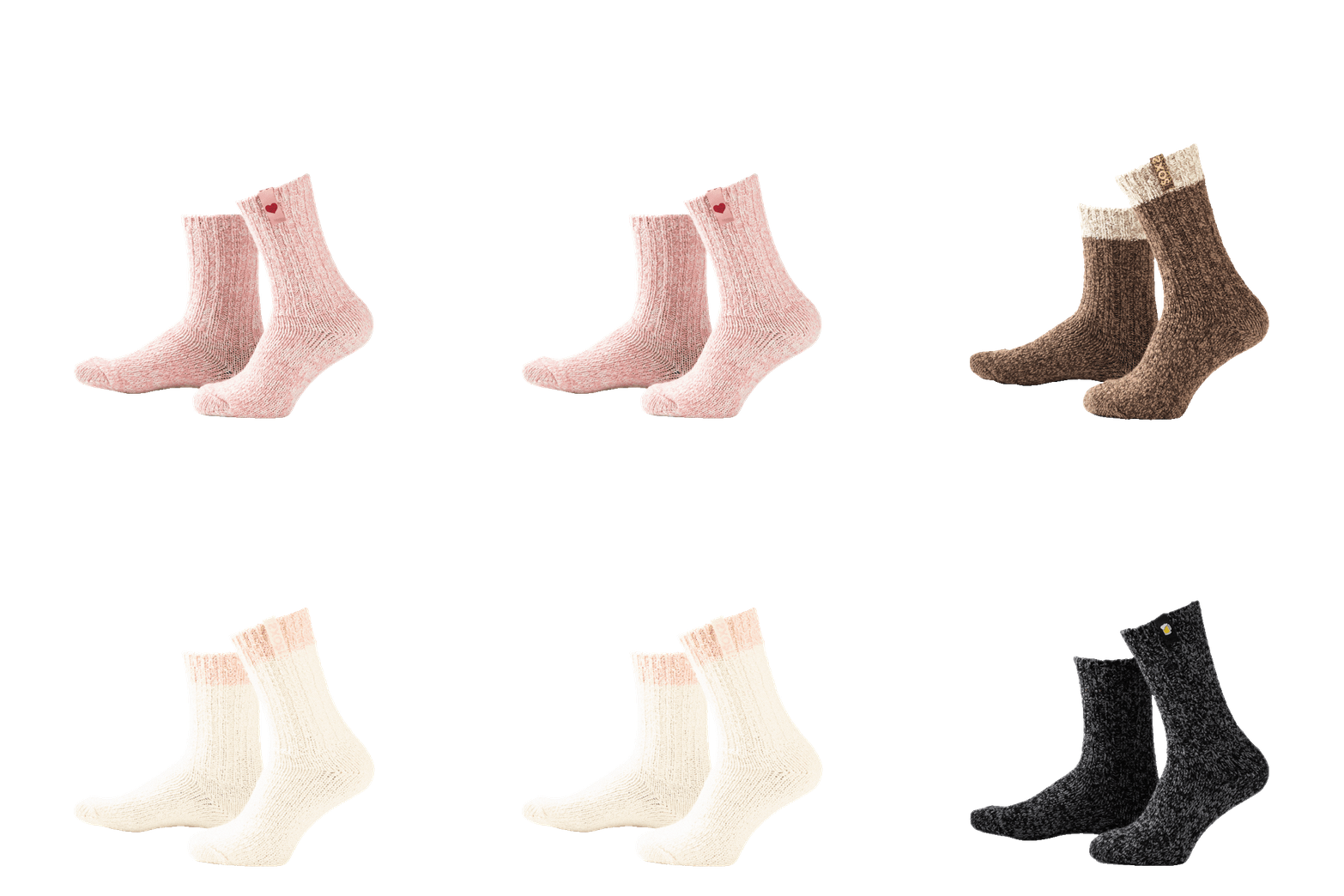

Soft warm premium wool socks
Gift ready, stylishly packaged
Orders placed before 1:00 PM will be shipped today (on weekdays) PLEASE NOTE: The delivery time of Pimp My Soxs is 5 working days!

When you think about creating the perfect sleep environment, you might focus on the right mattress, blackout curtains, or the ideal room temperature. But there’s one element that often gets overlooked: what you sleep under. Natural wool blankets and bedding have been keeping people comfortable for centuries, and modern research shows they offer remarkable benefits that synthetic materials simply can’t match.
Your sleep quality affects everything from your immune system to your mental clarity. The materials touching your skin throughout the night play a bigger role in this than you might realize. Wool’s unique fiber structure creates an environment that naturally supports your body’s sleep processes, helping you achieve deeper, more restorative rest.
Wool’s most remarkable property lies in its ability to automatically adjust to your body temperature. The crimped structure of wool fibers creates tiny air pockets that trap warm air when you’re cold and release excess heat when you’re warm. This means you won’t wake up shivering at 3 AM or throwing off the covers because you’re overheating.
Unlike synthetic materials that either trap heat or leave you cold, wool temperature regulation works dynamically throughout the night. As your body temperature naturally drops during deep sleep phases, wool responds by providing just the right amount of insulation. When your temperature rises during REM sleep, those same fibers allow excess heat to escape.
This natural thermostat effect means fewer sleep disruptions from temperature changes. You’ll spend more time in deep, restorative sleep phases instead of constantly adjusting your covers or waking up uncomfortable.
One of wool’s most impressive qualities is its ability to absorb moisture while still feeling dry to the touch. Wool fibers can absorb up to 30% of their weight in moisture without feeling damp or clammy. This means that even if you perspire during the night, your bedding won’t become uncomfortable or sticky.
The moisture management happens at a microscopic level. Wool fiber benefits include a unique structure that wicks moisture away from your skin and gradually releases it into the air. This process happens continuously throughout the night, maintaining a comfortable microclimate around your body.
This natural moisture control also prevents the growth of bacteria and fungi that thrive in damp environments. You’ll wake up feeling fresher, and your bedding will stay cleaner for longer periods between washes.
If you struggle with allergies or respiratory issues during sleep, wool bedding could provide significant relief. Wool naturally resists dust mites, which are one of the most common bedroom allergens. The lanolin in wool fibers creates an environment that dust mites find inhospitable, reducing their population in your bedding.
Additionally, wool’s moisture-wicking properties prevent the damp conditions where mold and mildew flourish. Many people who experience morning congestion or nighttime breathing difficulties find improvement when they switch to natural wool properties in their bedding.
Unlike synthetic materials that can harbor allergens in their fibers, wool’s smooth surface and natural antimicrobial properties create a cleaner sleep environment. This is particularly beneficial for children or adults with sensitive respiratory systems.
Safety might not be your first thought when choosing bedding, but wool’s natural fire resistance provides peace of mind. Wool has a high ignition temperature and is naturally self-extinguishing, meaning it won’t easily catch fire and will stop burning when the flame source is removed.
This safety feature comes without chemical treatments or flame retardants that are often added to synthetic bedding. These chemicals can off-gas over time, potentially affecting air quality in your bedroom. Sustainable bedding made from wool provides safety benefits while maintaining a chemical-free sleep environment.
The natural fire resistance also means wool bedding maintains its safety properties throughout its lifespan, unlike chemically treated materials that may lose effectiveness over time.
Wool’s gentle, consistent temperature regulation can support healthy blood circulation during sleep. When your extremities stay comfortably warm, your blood vessels don’t constrict as they would in cold conditions. This improved circulation helps deliver oxygen and nutrients to your muscles and organs more effectively during rest.
The soft, non-restrictive nature of wool bedding means there are no pressure points or tight spots that might impede circulation. This is particularly beneficial for people who experience cold hands and feet at night, a common issue that can disrupt sleep quality.
Better circulation during sleep supports your body’s natural recovery processes, helping you wake up feeling more refreshed and less stiff. This is especially valuable for active individuals or anyone dealing with minor aches and pains.
You might not realize how much ambient noise affects your sleep quality until you experience a quieter bedroom. Wool’s natural fibrous structure absorbs sound waves, helping to dampen noise from outside traffic, neighboring rooms, or a partner’s movements.
This acoustic benefit works because wool fibers trap air, which naturally absorbs sound vibrations. Wool blankets and bedding create a more peaceful sleep environment without the need for additional soundproofing measures.
The sound-dampening effect is subtle but noticeable, particularly in urban environments or homes with thin walls. Many people report falling asleep faster and experiencing fewer sleep disruptions when they switch to wool bedding.
Quality wool bedding represents excellent value because it maintains its beneficial properties for years with proper care. Wool fibers are naturally elastic and resilient, bouncing back to their original shape after compression. This means your wool blankets and bedding won’t develop permanent indentations or lose their loft over time.
The durability extends to wool’s functional properties as well. The temperature regulation, moisture-wicking, and antimicrobial benefits don’t diminish with age as they might with synthetic materials. A well-made wool blanket can provide consistent sleep quality improvement for decades.
This longevity makes wool bedding environmentally friendly and economically sensible. Rather than replacing synthetic bedding every few years, you’re investing in materials that will serve you well for the long term.
Modern synthetic bedding often contains chemical treatments for flame resistance, stain protection, or antimicrobial properties. These chemicals can off-gas into your bedroom air, potentially affecting indoor air quality and your health over time.
Wool provides these same benefits naturally, without chemical additives. When you choose untreated, natural wool bedding, you’re creating a cleaner sleep environment free from potentially harmful substances. This is particularly important given that you spend roughly a third of your life in close contact with your bedding.
The natural purity of wool also means it’s biodegradable at the end of its useful life, unlike synthetic materials that persist in landfills. Choosing natural sleep solutions supports both personal wellness and environmental health.
The combination of all these benefits creates an overall comfort level that’s difficult to achieve with other materials. Wool’s soft texture, consistent temperature, dry feel, and gentle support work together to minimize sleep disruptions.
When your body doesn’t need to constantly adjust to temperature changes, moisture, or discomfort, you can maintain deeper sleep phases for longer periods. This leads to more restorative sleep, better memory consolidation, and improved physical recovery.
The luxurious feel of quality wool bedding also contributes to a sense of well-being and relaxation that can help you unwind more effectively at bedtime. Creating a sleep environment that feels special and comfortable supports better sleep hygiene overall.
Understanding how wool stacks up against other popular bedding materials can help you make an informed choice for your sleep environment.
| Property | Wool | Cotton | Synthetic |
|---|---|---|---|
| Temperature Regulation | Excellent – adapts automatically | Good – breathable but static | Poor – traps heat or feels cold |
| Moisture Management | Superior – wicks and releases | Moderate – absorbs but stays damp | Poor – doesn’t absorb effectively |
| Durability | Excellent – decades with care | Good – several years | Fair – needs frequent replacement |
| Natural Properties | Fire resistant, antimicrobial | Minimal natural benefits | Requires chemical treatments |
Cotton bedding, while natural and breathable, doesn’t offer wool’s dynamic temperature regulation or moisture management. When cotton gets wet, it stays wet, which can create uncomfortable sleeping conditions.
Synthetic materials often excel in specific areas with some designed for moisture-wicking and others for temperature control, but they typically require chemical treatments to achieve these properties. Wool bedding benefits occur naturally without any artificial enhancement.
The journey to better sleep doesn’t require dramatic changes to your entire bedroom setup. Starting with natural wool bedding can transform your sleep experience through its unique combination of temperature regulation, moisture management, and natural comfort properties.
Consider beginning with a wool blanket or throw that you can layer according to your needs. This allows you to experience wool’s benefits while gradually transitioning from synthetic materials. Pay attention to how your sleep quality changes with many people noticing improvements in their first week of sleeping under wool.
Quality matters when choosing wool bedding. Look for products made from ethically sourced merino wool, which offers the finest texture and best performance characteristics. The investment in natural, sustainable materials pays dividends in both sleep quality and long-term value.
SOXS provides the perfect solution for those seeking natural comfort through premium wool products that enhance your overall sleep experience. Our commitment to quality extends beyond individual accessories to support your entire comfort journey:
Whether you’re starting with our premium wool socks to experience natural temperature regulation firsthand or exploring how wool accessories complement your bedding choices, SOXS makes it easy to embrace the comfort and benefits of natural materials. Discover our collection today and take the first step toward better natural comfort that works in harmony with your body’s needs.
Wool bedding requires gentle care to preserve its natural properties. Air out your wool blankets regularly instead of frequent washing, as wool naturally resists odors and bacteria. When washing is needed, use cool water with wool-specific detergent and avoid fabric softeners which can coat the fibers. Lay flat to dry away from direct heat or sunlight to prevent shrinkage and maintain the fiber structure.
Surprisingly, wool is excellent for warm sleepers because of its dynamic temperature regulation. Unlike synthetic materials that trap heat, wool actively releases excess body heat while maintaining comfort. Many people who overheat with other bedding find wool keeps them at the perfect temperature all night. Start with a lighter-weight wool blanket to test how your body responds.
The initial investment in quality wool bedding pays off through durability and performance. While synthetic bedding may need replacement every 2-3 years, wool bedding can last decades with proper care while maintaining its beneficial properties. Factor in the improved sleep quality, health benefits, and reduced replacement costs, and wool often proves more economical long-term.
True wool allergies are quite rare—most people who think they’re allergic to wool are actually reacting to the lanolin or coarse processing of lower-quality wool. High-quality merino wool is much softer and often well-tolerated. However, if you have confirmed wool sensitivity, consider alternatives like alpaca fiber which offers similar benefits. Always test a small area first if you’re unsure.
Merino wool comes from merino sheep and features much finer, softer fibers than regular wool, making it more comfortable against skin. It offers superior temperature regulation and moisture-wicking properties while being less likely to feel scratchy or irritating. Merino wool is generally considered the premium choice for bedding, though it comes at a higher price point.
Most people notice some improvement within the first few nights, particularly in temperature comfort and reduced night sweats. The full benefits including deeper sleep phases and reduced morning stiffness typically become apparent within 1-2 weeks as your body adjusts to the consistent comfort. Keep a simple sleep journal to track changes in how rested you feel upon waking.
A gradual transition is often the most practical and budget-friendly approach. Start with a wool blanket or throw that you can layer over your existing bedding, then gradually replace sheets, pillowcases, and other items. This allows you to experience the benefits while spreading out the investment and determining which wool products work best for your specific needs.