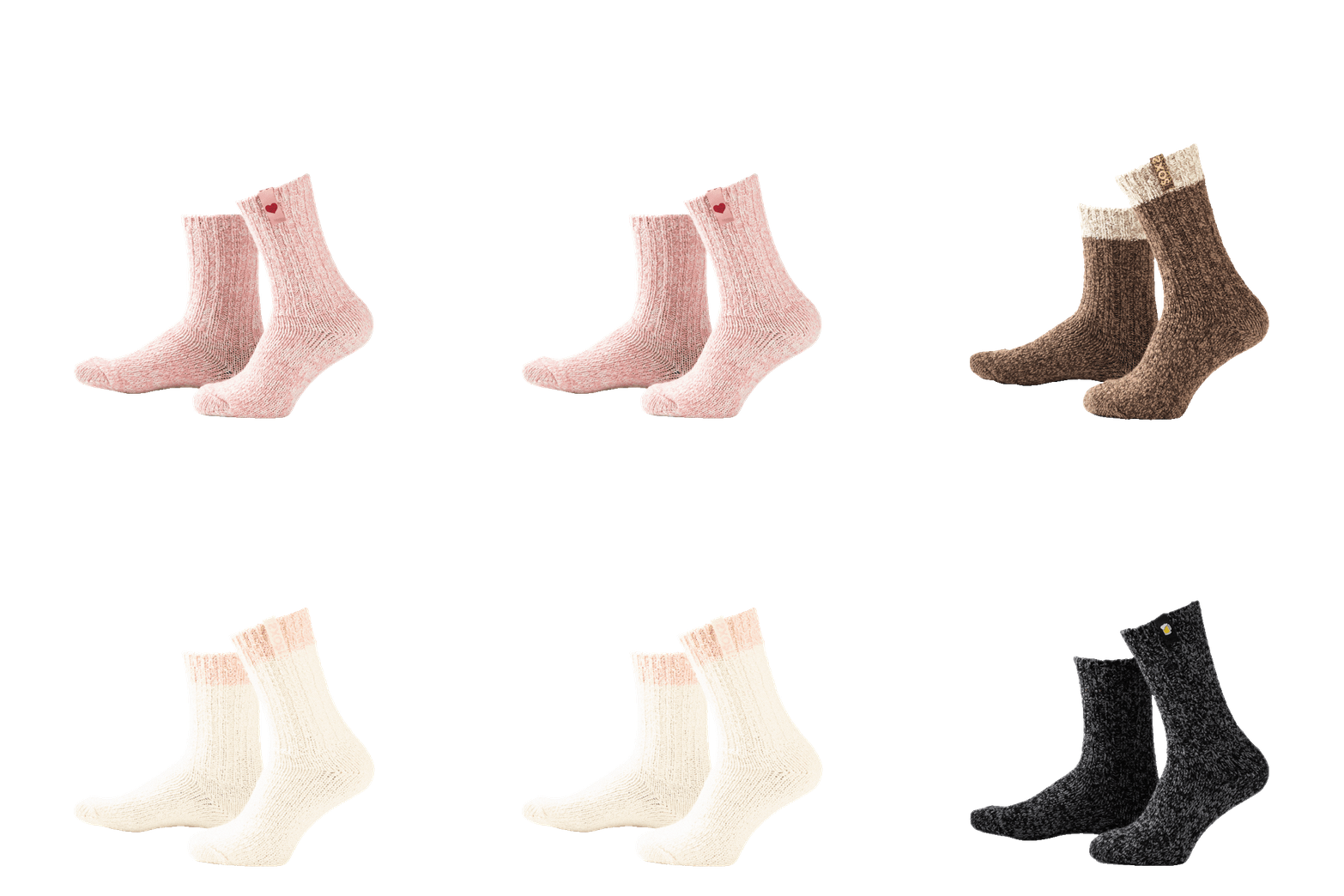
Soft warm premium wool socks
Gift ready, stylishly packaged
Orders placed before 1:00 PM will be shipped today (on weekdays) PLEASE NOTE: The delivery time of Pimp My Soxs is 5 working days!

Winter heating bills making you wince every month? You’re not alone. Millions of households watch their energy costs soar as temperatures drop, desperately searching for ways to stay warm without breaking the bank. Here’s something that might surprise you: wool could be your secret weapon against high energy bills.
Wool isn’t just for jumpers anymore. This remarkable natural fibre has unique properties that create an incredibly effective thermal barrier, reducing your reliance on artificial heating throughout your home. From your wardrobe to your bedroom, strategic wool choices can dramatically cut your energy consumption whilst keeping you perfectly comfortable.
Let’s explore eight practical ways wool can transform your energy bills from a monthly nightmare into something much more manageable.
Think of wool fibres as nature’s own insulation system. Unlike synthetic materials, wool has a unique crimped structure that creates thousands of tiny air pockets throughout the fabric. These microscopic spaces trap warm air close to your skin, forming a natural barrier that keeps heat where you need it most.
This remarkable property means you can lower your thermostat by 2 to 3 degrees without feeling any difference in comfort. When you’re wearing quality wool socks, jumpers, or base layers, your body maintains its warmth naturally, reducing the need to crank up the heating system.
The science behind this is fascinating. Merino wool, in particular, can hold up to 30% of its weight in moisture without feeling damp, all whilst maintaining its insulating properties. This means your feet stay warm and dry even during long periods of wear, eliminating that cold, clammy feeling that forces you to reach for the thermostat.
Wool acts like a personal climate control system, automatically adjusting to your body’s needs throughout the day. When you’re warm, wool fibres allow excess heat to escape. When you’re cool, they trap warm air close to your skin. This natural thermostat effect prevents the constant temperature fluctuations that lead to expensive heating adjustments.
Many people find themselves constantly tweaking their home heating because their clothing can’t adapt to changing conditions. Synthetic materials either trap too much heat, making you sweaty and uncomfortable, or provide no insulation at all, leaving you reaching for the heating controls every hour.
Wool eliminates this cycle by maintaining consistent comfort levels. You’ll find yourself leaving the thermostat alone for longer periods, allowing your heating system to run more efficiently and consume less energy overall.
Nothing makes you feel colder faster than damp clothing against your skin. Wool’s exceptional moisture management prevents this energy-wasting problem by drawing perspiration away from your body whilst maintaining warmth.
Unlike cotton or synthetic materials that become cold and uncomfortable when wet, wool continues to insulate even when it contains moisture. The fibres can absorb significant amounts of water vapour without compromising their warming properties, keeping you comfortable without needing extra heat.
This moisture-wicking ability is particularly valuable during daily activities. Whether you’re doing housework, walking the dog, or simply moving around your home, wool keeps you at the perfect temperature without that sudden chill that sends you running to turn up the heating.
Strategic layering with wool creates multiple insulation zones that maximise warmth whilst minimising energy consumption. Start with wool base layers like quality socks and undergarments, add wool jumpers or cardigans, and you’ve created a personal heating system that works independently of your home’s thermostat.
The key is understanding how different wool weights work together. Lightweight merino wool sits comfortably against your skin, medium-weight pieces provide core warmth, and heavier wool items offer protection against cold spots in your home.
This layering approach allows you to maintain perfect comfort in rooms that might otherwise require additional heating. You can keep your main living areas at lower temperatures and rely on your wool layers for personalised warmth, significantly reducing overall energy consumption.
Certain areas of your home lose heat faster than others, making them prime candidates for wool accessories that provide targeted warmth without increasing whole-house heating costs.
Bedrooms, particularly those on upper floors or with large windows, benefit enormously from wool throws and cushions. These rooms often feel several degrees colder than your main living areas, but a few strategically placed wool accessories can make them comfortable without running extra heating.
Living rooms with high ceilings, conservatories, and home offices are perfect for wool rugs and throws. These accessories create warm microclimates around seating areas, allowing you to heat the space you’re actually using rather than the entire room. Studies show this targeted approach can reduce heating costs by up to 15% in larger homes.
Your bedroom represents one of the biggest opportunities for energy savings. Many households run heating throughout the night to maintain comfortable sleeping temperatures, but wool bedding can eliminate this expensive habit entirely.
Wool blankets, sheets, and mattress toppers create a naturally regulated sleeping environment. They keep you warm when the temperature drops and prevent overheating when your body temperature rises during different sleep phases. This means you can turn your heating down significantly or off completely overnight.
The financial impact is substantial. Overnight heating can account for 30 to 40% of winter energy bills in colder climates. Quality wool bedding pays for itself within a single heating season through reduced overnight energy consumption, whilst providing superior comfort compared to synthetic alternatives.
Whilst synthetic materials might seem cheaper initially, wool’s exceptional durability makes it far more cost-effective over time. Quality wool items can last decades with proper care, whereas synthetic alternatives typically need replacing every few years.
This longevity means your investment in wool clothing and accessories continues paying energy-saving dividends year after year. You’re not constantly replacing worn-out items or dealing with synthetic materials that lose their insulating properties after repeated washing.
Consider the total cost of ownership: a quality wool jumper might cost more upfront, but it will provide consistent warmth and energy savings for many years. Cheap synthetic alternatives require frequent replacement and often fail to provide adequate insulation, leading to higher heating bills and ongoing replacement costs.
Choosing wool over synthetic alternatives delivers both environmental and financial benefits. Wool is a renewable resource that requires no petroleum-based manufacturing processes, and its natural insulating properties reduce your overall energy consumption.
When you select ethically sourced wool products, you’re supporting sustainable farming practices whilst reducing your home’s carbon footprint. The energy saved through effective wool insulation often exceeds the environmental cost of production, making it a genuinely eco-friendly choice.
Smart wool purchasing also means investing in versatile pieces that work across multiple seasons and situations. A quality wool cardigan provides warmth in winter, comfort in air-conditioned spaces during summer, and year-round energy savings through reduced reliance on artificial climate control.
The path to lower energy bills doesn’t require expensive home renovations or complicated systems. Sometimes the most effective solutions are the simplest ones. By incorporating quality wool into your daily routine, you’re creating a personal insulation system that works around the clock.
Start small with wool socks and base layers, then gradually build your collection with jumpers, throws, and bedding. Each addition compounds your energy savings whilst improving your daily comfort. The beauty of this approach is that you’ll feel the benefits immediately, both in terms of warmth and in your monthly energy bills.
SOXS provides the perfect starting point for your energy-saving wool journey with our premium merino wool socks and accessories. Our ethically sourced products deliver maximum thermal efficiency whilst maintaining exceptional comfort throughout the day. Here’s how we help you cut those heating costs:
Ready to transform your energy bills this winter? Explore our collection of premium wool socks and start experiencing the comfort and savings that quality wool provides.
Which room in your home could benefit most from a wool upgrade this winter?
Most households see energy savings of 10-20% on their heating bills when they consistently use wool clothing and accessories. By lowering your thermostat by 2-3 degrees and using wool bedding to eliminate overnight heating, you could save £200-400 annually on a typical UK household energy bill, depending on your home size and current usage.
Begin with wool socks and base layers, as these provide the most immediate warmth impact for the lowest cost. Look for end-of-season sales, consider second-hand quality pieces, and invest in one versatile wool jumper that you can layer. Focus on items you’ll wear daily rather than occasional pieces to maximise your energy savings return on investment.
Most modern wool items, especially merino wool, can be machine washed on a gentle wool cycle with cold water and wool-specific detergent. However, always check care labels first. Proper washing actually maintains wool’s insulating properties better than dry cleaning, which can strip natural oils that contribute to warmth and moisture-wicking abilities.
Yes, merino wool offers the best combination of warmth, comfort, and moisture management for energy savings. Lambswool is excellent for jumpers and throws, whilst alpaca wool provides superior warmth in extremely cold conditions. Avoid coarse wools for clothing as they can be uncomfortable against skin, reducing the likelihood you’ll wear them consistently.
The biggest mistake is buying cheap, low-quality wool that doesn’t provide adequate insulation or comfort. Other common errors include not layering properly, choosing the wrong wool weight for their climate, and not maintaining wool items correctly. Remember that quality wool is an investment – cheap alternatives often defeat the purpose of energy savings.
This approach works in any home, but it’s particularly effective in properties with uneven heating, high ceilings, or rooms that are naturally colder. If you find yourself constantly adjusting your thermostat or feeling cold in certain areas despite adequate heating, wool accessories and clothing will provide the most noticeable energy savings and comfort improvements.
Absolutely. Wool throws, rugs, and cushions create warm microclimates around seating areas, allowing you to heat the space you’re actually using rather than the entire room. In large or draughty spaces, this targeted approach combined with wool clothing can reduce heating needs by 15-25% whilst maintaining comfort in your immediate area.