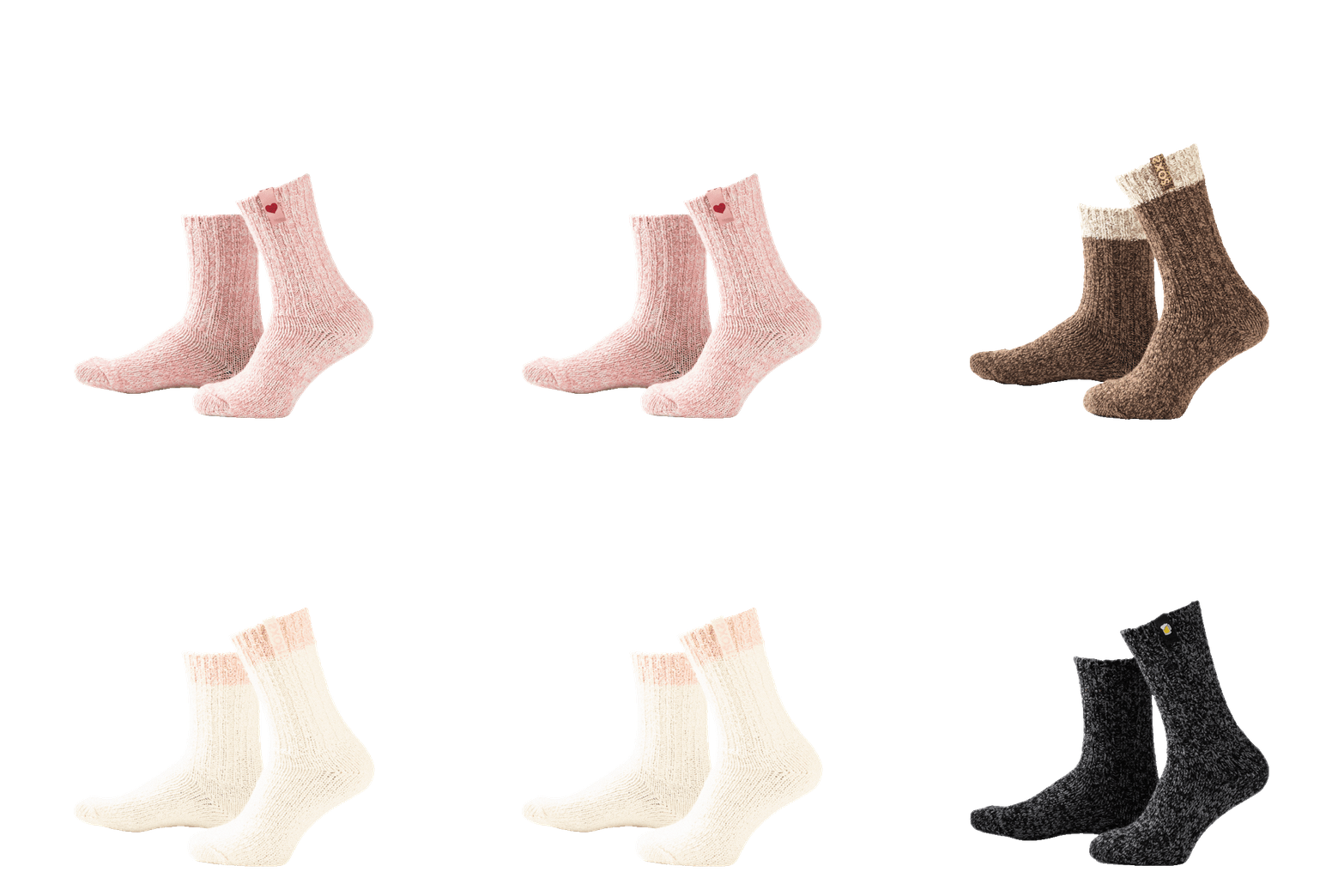
Soft warm premium wool socks
Gift ready, stylishly packaged
Orders placed before 1:00 PM will be shipped today (on weekdays) PLEASE NOTE: The delivery time of Pimp My Soxs is 5 working days!

Your sock drawer might be working against you more than you realise. Every morning, you slip on what seems like an innocent pair of cotton socks, but throughout the day you might notice discomfort, dampness, or that nagging feeling that something isn’t quite right. The truth is, the wrong sock material can impact your daily comfort, foot health, and overall satisfaction with your footwear choices in ways you may never have considered.
If you’ve been experiencing any of the following issues, it might be time to reconsider your sock material choice. The difference between wool socks and cotton isn’t just about warmth—it’s about transforming your entire foot comfort experience.
Cotton might seem like a natural, breathable choice, but when it comes to moisture management, it’s actually working against you. Cotton fibres absorb moisture and hold onto it, creating a damp environment around your feet that can last for hours. This trapped moisture doesn’t just feel unpleasant—it can lead to skin irritation and blisters, and create the perfect breeding ground for bacteria.
Wool, particularly merino wool, works completely differently. These natural fibres can absorb up to 30% of their weight in moisture without feeling wet against your skin. Even more impressively, wool continues to provide insulation and comfort even when damp, whereas cotton loses its beneficial properties entirely when wet.
The structure of wool fibres creates tiny air pockets that wick moisture away from your skin and allow it to evaporate naturally. This means your feet stay dry and comfortable throughout the day, whether you’re sitting at a desk or walking miles through the city.
Cotton’s biggest weakness becomes apparent when temperatures drop or when the fabric becomes even slightly damp from natural foot perspiration. Cotton fibres lose their insulating properties when wet, leaving your feet feeling cold and clammy even in heated indoor environments.
Wool’s natural structure provides superior thermal regulation. The crimped, curly nature of wool fibres traps warm air close to your skin, creating an insulating layer that maintains a consistent temperature. This means wool socks keep your feet warm when it’s cold, but they won’t cause overheating when temperatures rise.
Unlike cotton, wool maintains its insulating properties even when damp. The protein structure of wool fibres naturally regulates temperature, making it one of nature’s most effective temperature control systems. This is why the benefits of wool socks extend far beyond just warmth—they provide consistent comfort regardless of environmental conditions.
Cotton fibres are relatively weak and become even more fragile when subjected to the constant friction and stretching that socks endure. The areas that experience the most stress—heels, toes, and the ball of the foot—are where cotton socks typically fail first, often developing holes within a few months of regular wear.
Wool fibres possess natural elasticity and strength that cotton simply cannot match. High-quality wool socks, especially those blended with small amounts of synthetic fibres for added durability, can withstand the daily stresses of walking, stretching, and washing whilst maintaining their integrity.
The resilience of wool means these socks often last years rather than months. When you consider the cost per wear, investing in quality wool socks becomes not just a comfort choice, but a practical financial decision. You’ll replace cotton socks multiple times over the lifespan of a single pair of well-made wool socks.
Cotton’s tendency to retain moisture creates an ideal environment for odour-causing bacteria to thrive. Once cotton becomes damp with perspiration, it can stay that way for hours, allowing bacteria to multiply and produce unpleasant smells that can persist even after washing.
Wool possesses natural antimicrobial properties that actively resist odour-causing bacteria. The protein structure of wool fibres contains natural compounds that inhibit bacterial growth, meaning wool socks can be worn multiple times between washes without developing unpleasant odours.
This natural odour resistance isn’t just convenient—it’s particularly valuable for people with active lifestyles, those who wear closed shoes for long periods, or anyone who has struggled with persistent foot odour issues despite good hygiene practices. The antimicrobial characteristics of wool provide a long-term solution rather than just masking the problem.
Cotton fibres have limited recovery properties, meaning once they’re stretched or deformed, they struggle to return to their original shape. After several wash cycles, cotton socks often become saggy, lose their elasticity around the cuff, and fail to provide the snug, comfortable fit they had when new.
Wool fibres have remarkable recovery properties that allow them to return to their original shape after stretching. This natural elasticity, combined with the way wool fibres interlock, means wool socks maintain their fit and form wash after wash, year after year.
Quality wool socks will continue to fit properly and look good long after cotton socks have become stretched out and unwearable. This shape retention contributes to both comfort and appearance, ensuring your socks continue to perform as intended throughout their extended lifespan.
Cotton production is notoriously resource-intensive, requiring enormous amounts of water and land, and often involving heavy pesticide use. The environmental impact of constantly replacing short-lived cotton socks adds up over time, contributing to textile waste and environmental degradation.
Responsibly sourced wool, particularly from farms that practise ethical animal husbandry, represents a more sustainable choice. Wool is a renewable resource—sheep produce new fleece annually—and high-quality wool products last significantly longer than their cotton counterparts, reducing overall consumption.
When you choose sustainable options like ethically sourced wool socks, you’re investing in products that align with environmental consciousness. The longevity of wool socks means fewer purchases, less packaging waste, and a smaller overall environmental footprint. You can feel good about supporting responsible farming practices whilst enjoying superior comfort.
Cotton’s poor moisture management and loss of insulation when wet make it particularly unsuitable for outdoor activities. Whether you’re hiking, cycling, or simply spending extended time outdoors, cotton socks can leave you with cold, damp, uncomfortable feet that can ruin your entire experience.
Wool excels in outdoor conditions because of its superior moisture management and temperature regulation capabilities. Wool socks keep feet comfortable during physical activity by wicking away perspiration whilst maintaining warmth and cushioning. Even if your feet get wet from external sources, wool continues to provide insulation and comfort.
For outdoor enthusiasts, the performance characteristics of wool can make the difference between an enjoyable experience and an uncomfortable ordeal. The natural properties of wool—moisture-wicking, temperature regulation, and odour resistance—work together to provide reliable comfort regardless of activity level or weather conditions.
When socks don’t perform properly, they become a constant source of distraction. You find yourself adjusting them, thinking about the dampness, the cold, or the discomfort they’re causing. Poor sock choice creates mental and physical distractions that shouldn’t be part of your day.
Well-made wool socks have that magical quality of being completely forgettable in the best possible way. When socks fit properly, manage moisture effectively, regulate temperature, and stay comfortable all day, you simply don’t think about them. This “invisible comfort” allows you to focus on what matters most in your day.
The best socks for comfort are those that work so well you forget you’re wearing them. Quality wool socks provide this level of performance, eliminating the small daily irritations that cotton socks can cause and allowing you to move through your day with complete confidence in your comfort.
Transitioning from cotton to wool socks doesn’t have to happen overnight, but recognising these signs that you need wool socks is the important first step. Start by replacing your most frequently worn pairs with quality wool alternatives, and you’ll immediately notice the difference in comfort, durability, and overall satisfaction.
When making the switch, look for socks made from high-quality merino wool, ideally blended with small amounts of synthetic fibres for added durability. Consider your specific needs—thicker socks for cold weather, lighter weights for everyday wear, or specialised designs for particular activities.
SOXS provides the ultimate solution for all the comfort issues outlined above through our expertly crafted merino wool sock collection. Our socks deliver:
From our ultra-warm ColdProof line to our refined FineWool collection, each pair is designed to eliminate the daily frustrations of poor sock performance. Experience the transformative comfort that only premium merino wool can provide. Discover your perfect pair today and feel the difference that quality makes.
Wash wool socks in cool water (30°C or less) using a gentle detergent specifically designed for wool or a mild soap. Avoid fabric softeners as they can coat the fibres and reduce their natural properties. Air dry your wool socks flat or hung up—never put them in the tumble dryer as heat can cause shrinkage and damage the fibres’ structure.
High-quality merino wool socks are actually excellent for warm weather due to their superior temperature regulation properties. Unlike cotton, wool naturally adjusts to your body temperature and wicks moisture away efficiently, keeping feet cool and dry even in hot conditions. Look for lightweight merino wool socks specifically designed for warmer weather.
Choose socks made from merino wool rather than regular wool for superior softness and performance. Look for blends that include 5-15% synthetic fibres (like nylon or elastane) for added durability and stretch. Consider the sock weight—lightweight for everyday wear, medium for most activities, and heavyweight for cold weather or hiking.
Merino wool is much finer and softer than traditional wool, making it suitable for most people with sensitive skin. The fibres are so fine they don’t cause the itchiness associated with regular wool. However, if you have a confirmed wool allergy, consider bamboo or high-quality synthetic alternatives that offer similar moisture-wicking properties.
Quality wool socks typically cost £15-40 per pair, which may seem expensive compared to cotton socks at £3-8. However, wool socks often last 2-5 years with proper care versus 6-12 months for cotton socks, making them more economical long-term. The superior comfort, performance, and reduced replacement frequency justify the higher upfront cost.
Absolutely! Lightweight merino wool dress socks are perfect for formal wear, offering superior moisture management and comfort during long days in dress shoes. They’re typically thinner than casual wool socks, won’t add bulk, and help prevent the foot odour and discomfort that cotton dress socks often cause in closed leather shoes.
Merino wool comes from merino sheep and has much finer fibres than regular wool, making it softer, less itchy, and more comfortable against skin. Merino wool also has superior moisture-wicking properties, better odour resistance, and enhanced temperature regulation compared to regular wool, making it the premium choice for high-performance socks.