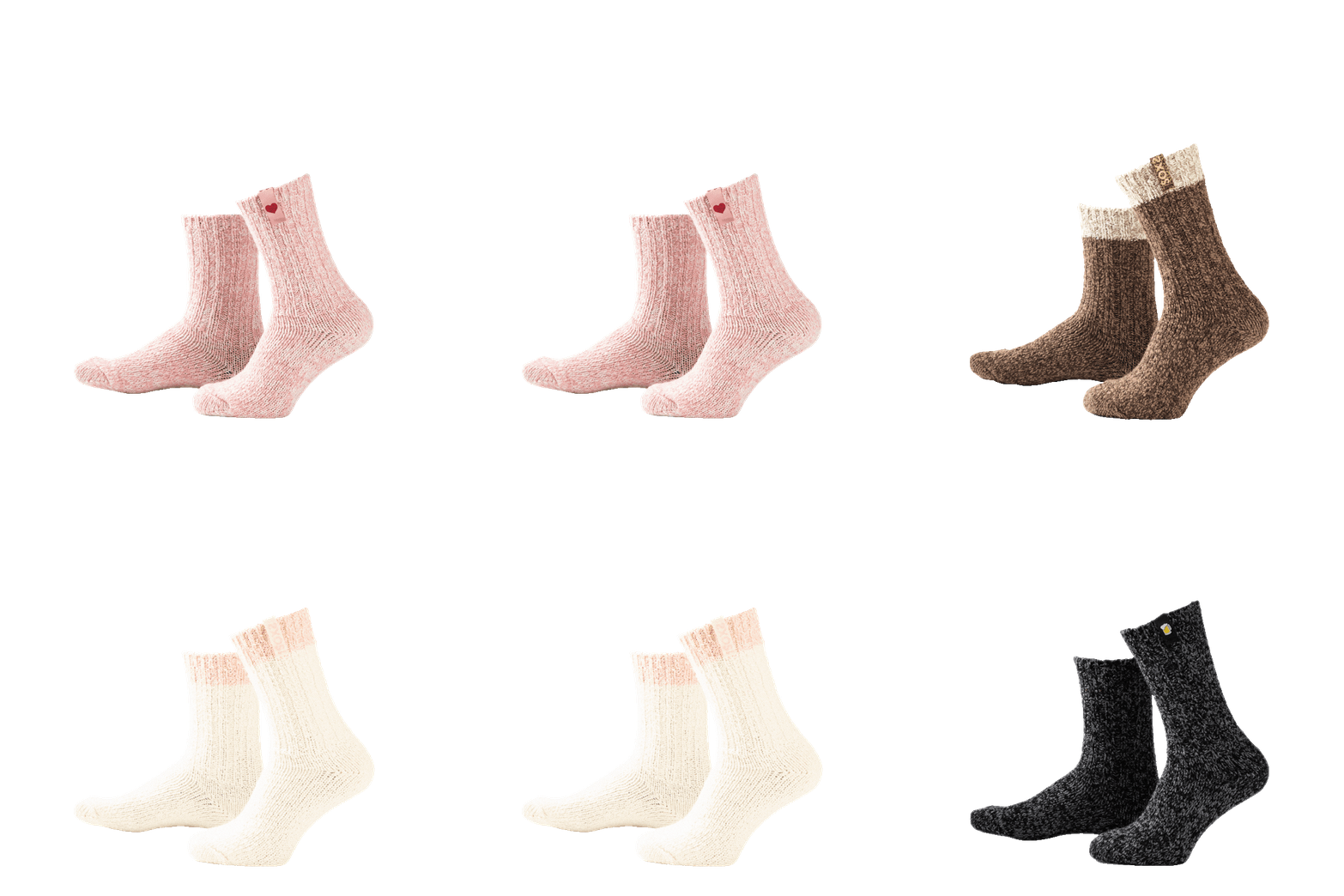
Soft warm premium wool socks
Gift ready, stylishly packaged
Orders placed before 1:00 PM will be shipped today (on weekdays) PLEASE NOTE: The delivery time of Pimp My Soxs is 5 working days!

Living with diabetes means paying attention to details that others might overlook, and your feet deserve special consideration. Every step you take matters when diabetes affects your circulation, nerve function, and healing ability. Standard socks might seem adequate, but they often fall short of providing the protection your feet need.
When you understand how diabetes impacts your foot health, choosing the right footwear becomes less about comfort and more about prevention. The right diabetic socks work as your first line of defense against complications that could otherwise develop unnoticed.
Diabetes changes how your body functions in ways that directly impact your feet. Reduced circulation means less blood flow reaches your extremities, slowing healing and making infections more likely. High blood sugar levels damage blood vessels over time, creating a cascade of problems that affect everything from sensation to recovery.
Nerve damage, known as diabetic neuropathy, reduces your ability to feel pain, temperature changes, or pressure. This loss of sensation means you might not notice a small cut, blister, or irritation until it becomes a serious problem. Standard socks with rough seams or tight elastic bands can create pressure points that go undetected.
Your immune system also works differently with diabetes, making it harder to fight off infections. A minor irritation that would heal quickly in someone without diabetes can develop into an ulcer or serious wound. This is why proper diabetes foot care starts with choosing appropriate diabetic footwear, including specially designed socks that protect rather than harm.
Diabetes reduces blood flow to your extremities, and this poor circulation affects how your feet function throughout the day. When blood doesn’t flow freely, your feet receive less oxygen and fewer nutrients needed for healthy tissue maintenance. Swelling becomes more common, and your feet may feel cold even in warm conditions.
Special socks for diabetics address circulation issues with non-binding tops that don’t restrict blood flow. Unlike regular socks with tight elastic bands, diabetic socks feature loose-fitting cuffs that stay up without cutting into your leg. Some include graduated compression that gently encourages blood flow back toward your heart.
The difference becomes noticeable when you wear properly designed circulation socks for a full day. Your feet experience less swelling, and you avoid the indentation marks that tight sock bands leave on your legs. This improved circulation supports better healing and reduces the risk of complications that poor blood flow can cause.
Diabetic neuropathy affects up to half of all people with diabetes, creating a dangerous situation where injuries go unnoticed. When you can’t feel a pebble in your shoe or a blister forming, minor issues escalate into serious problems. Your feet need protection that compensates for this loss of sensation.
Seamless socks eliminate the internal ridges and bumps that create pressure points. Traditional sock seams run across the toe area, creating friction that can cause blisters or sores. When you can’t feel this irritation developing, seamless construction prevents problems before they start.
Extra cushioning in diabetic socks provides a protective barrier between your feet and your shoes. This padding distributes pressure more evenly and reduces the impact of walking on hard surfaces. The cushioning works like a shock absorber, protecting areas where bone is close to the skin and most vulnerable to pressure injuries.
Excess moisture trapped against your skin creates the perfect environment for fungal infections and bacterial growth. With diabetes, these infections are harder to treat and more likely to cause serious complications. Your feet naturally produce moisture throughout the day, and standard socks often trap this dampness against your skin.
Moisture-wicking socks pull perspiration away from your feet and allow it to evaporate. Materials like merino wool naturally manage moisture while providing insulation. Wool can absorb up to 30% of its weight in moisture without feeling wet. This keeps your skin dry and reduces the risk of fungal infections like athlete’s foot.
Synthetic moisture-wicking materials also work effectively, moving sweat to the outer layer of the sock where it can evaporate. The key is choosing socks that actively manage moisture rather than simply absorbing it. Dry feet mean healthier skin and fewer opportunities for infections to take hold.
Traditional socks feature prominent seams across the toe area and elastic bands that grip your leg to stay in place. These design elements create pressure points and restrict circulation, which become serious problems when you have diabetes. The toe seam in regular socks can rub against sensitive areas, causing irritation that develops into open wounds.
Tight elastic bands around the calf or ankle act like tourniquets, reducing blood flow to your feet. With already compromised circulation from diabetes, this restriction makes the problem worse. You might notice deep indentations where the sock band sits, indicating restricted blood flow.
Diabetic socks use seamless construction or place seams in areas where they won’t cause problems. The non-binding tops stay up through gentle compression rather than tight elastic bands. This design allows proper blood flow while providing the fit and comfort you need for all-day wear.
The material of your socks directly impacts foot health, making fabric choice important for diabetes management. Merino wool offers natural temperature regulation and moisture management. Its fibers create tiny air pockets that insulate while allowing airflow, keeping feet warm without overheating.
Bamboo fibers provide natural antimicrobial properties that help prevent bacterial and fungal growth. Bamboo socks feel soft against the skin and offer excellent moisture-wicking capabilities. The smooth fibers reduce friction, making them gentle enough for sensitive diabetic feet.
High-quality synthetic blends combine the best properties of different materials. These socks often include moisture-wicking synthetics for dryness, cushioning materials for comfort, and small amounts of elastic fibers for fit without constriction. The key is finding materials that keep feet dry, comfortable, and protected throughout the day.
Proper temperature control helps prevent the excessive sweating that leads to moisture problems and fungal infections. Your feet need to stay at an optimal temperature, which means warm enough for good circulation but not so warm that they overheat and perspire excessively. Poor circulation from diabetes makes temperature regulation more challenging.
Quality diabetic socks manage temperature through material choice and construction. Wool provides natural insulation that adapts to conditions, keeping feet warm in cold weather and allowing cooling when temperatures rise. The breathable nature of good materials prevents the buildup of heat and moisture that creates problems.
Synthetic materials designed for temperature control work similarly, using moisture-wicking properties to keep feet dry and comfortable. Some advanced fabrics include cooling elements that help regulate temperature during warmer weather or increased activity. Proper temperature regulation supports better circulation and reduces infection risk.
Extra padding in key areas provides important protection for feet that can’t feel developing pressure points. Cushioning works by distributing weight more evenly and reducing the pressure that any single point experiences. This is particularly important for areas like the heel and ball of the foot where bone sits close to the skin.
Strategic cushioning placement matters more than overall thickness. The best diabetic socks add padding where pressure naturally concentrates during walking and standing. Heel and toe areas receive extra protection, while the arch area might have less cushioning to maintain proper fit in shoes.
The cushioning material should compress and recover repeatedly without losing its protective properties. High-quality padding maintains its shape through multiple wash cycles and extended wear. This consistency ensures that your feet receive reliable protection day after day, reducing the risk of pressure injuries that could develop into serious complications.
SOXS provides the comprehensive solution your diabetic feet need through carefully engineered sock design that addresses every aspect of diabetic foot protection. Our specialized socks combine all the essential features that make the difference between standard footwear and genuine protection:
• Seamless construction eliminates pressure points and friction that can lead to blisters and sores
• Non-binding tops promote healthy circulation without cutting into your legs
• Premium moisture-wicking materials keep feet dry and reduce infection risk
• Strategic cushioning protects vulnerable areas while maintaining proper shoe fit
• Temperature regulation prevents overheating and excessive perspiration
Don’t compromise on your foot health when the right protection is available. Explore our diabetic sock collection and give your feet the specialized care they deserve for better health and peace of mind.
Replace diabetic socks every 3-6 months or sooner if they lose their cushioning, develop holes, or the elastic becomes too loose. Unlike regular socks, diabetic socks need to maintain their protective properties consistently. If you notice the cushioning has compressed or the moisture-wicking ability has decreased, it’s time for new pairs.
Yes, diabetic socks benefit anyone with circulation problems, swelling, or sensitive feet. The non-binding tops, seamless construction, and moisture-wicking properties help with various conditions including edema, varicose veins, and general foot sensitivity. Many people find them more comfortable than regular socks for daily wear.
Compression socks apply graduated pressure to improve circulation, while diabetic socks focus on protection and comfort with non-binding tops. Some diabetic socks include mild compression, but they prioritize seamless construction, cushioning, and moisture management. Always consult your doctor before choosing compression levels, as too much pressure can worsen circulation problems in diabetic feet.
Generally, it’s better to let your feet breathe at night unless your doctor recommends otherwise. If you must wear socks due to cold feet or medical advice, choose thin diabetic socks without compression. Thick cushioned socks can cause overheating and moisture buildup during sleep, which increases infection risk.
Wash diabetic socks in warm (not hot) water with mild detergent and avoid fabric softeners, which can reduce moisture-wicking ability. Air dry when possible or use low heat settings to preserve elastic fibers and cushioning. Turn socks inside out before washing to protect the outer surface and extend their lifespan.
Stop wearing the socks immediately and examine your feet carefully for any signs of injury or infection. Clean the area gently, apply appropriate wound care, and contact your healthcare provider or podiatrist promptly. Never ignore foot problems with diabetes, as minor issues can quickly become serious complications requiring medical attention.
Price doesn’t always indicate quality, but key features matter more than cost. Look for seamless construction, moisture-wicking materials, non-binding tops, and appropriate cushioning regardless of price. Read reviews, check material composition, and consider trying different brands to find what works best for your specific foot health needs and budget.