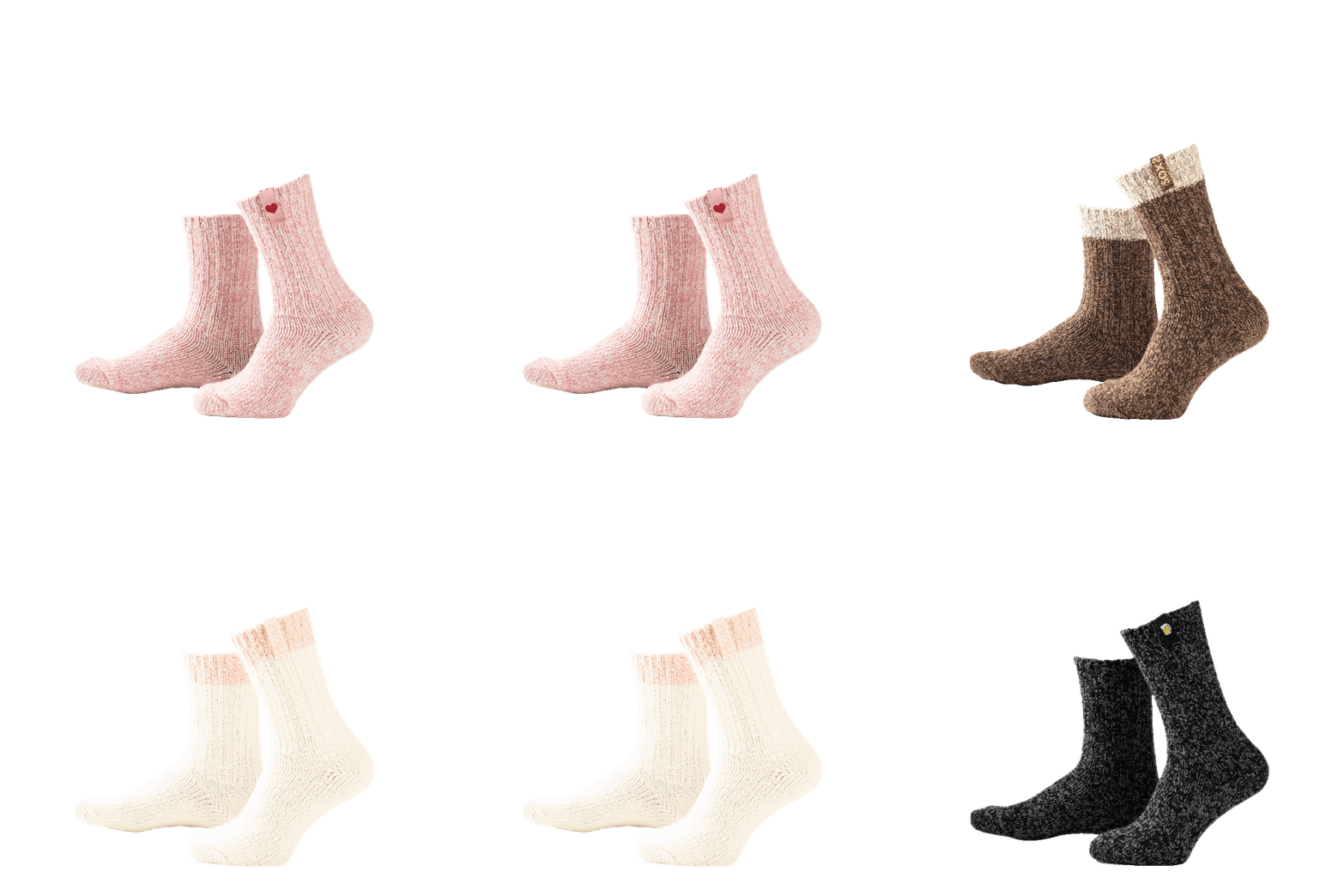
Soft warm premium wool socks
Gift ready, stylishly packaged
Orders placed before 1:00 PM will be shipped today (on weekdays) PLEASE NOTE: The delivery time of Pimp My Soxs is 5 working days!

Nobody wants to deal with athlete’s foot, but choosing the wrong socks can turn your feet into the perfect breeding ground for fungal infections. You might not realise it, but your daily sock choice plays a huge role in whether you’ll be dealing with itchy, uncomfortable feet or keeping them healthy and happy.
The good news? Athlete’s foot prevention starts with understanding which sock features actually work. When you know what to look for, you can protect your feet from fungal infections while staying comfortable all day long. Let’s explore the sock features that make all the difference in keeping your feet healthy.
Moisture-wicking socks are your first line of defence against athlete’s foot. The fungi that cause these infections absolutely love damp, warm environments, so keeping your feet dry becomes crucial for prevention.
Natural fibres like merino wool excel at this job. Wool can absorb up to 30% of its weight in moisture without feeling wet against your skin. This means your feet stay dry and comfortable even during long walks or active days. The crimped structure of wool fibres traps air and creates natural insulation while simultaneously moving moisture away from your skin.
Synthetic materials designed for athletic wear also offer excellent moisture-wicking properties. These engineered fibres actively pull sweat away from your feet and transport it to the outer layer of the sock, where it can evaporate. Look for socks that combine both natural and synthetic fibres for the best of both worlds.
The key is choosing materials that don’t just absorb moisture but actually move it away from your skin, creating an environment where fungi struggle to survive.
The benefits of wool socks extend far beyond just warmth and comfort. Merino wool naturally contains antimicrobial compounds that actively fight bacteria and fungi, making it an excellent choice for fungal infection prevention.
These natural properties come from the wool’s protein structure, which creates an environment that’s hostile to microorganisms. Unlike synthetic materials that can harbour bacteria and develop odours over time, wool actively works against the growth of harmful microbes that contribute to athlete’s foot.
The beauty of wool’s antimicrobial action is that it’s permanent, not a treatment that washes out over time. This means your socks continue protecting your feet wash after wash. Combined with wool’s temperature-regulating properties, you get comprehensive foot health protection that synthetic materials simply can’t match.
Breathable sock features aren’t just about comfort; they’re about creating airflow that prevents the humid conditions fungi need to thrive. The way your socks are constructed makes a significant difference in how much air reaches your feet.
Look for socks with mesh panels or specially designed ventilation zones. These areas allow air to circulate around your feet, reducing humidity and helping moisture evaporate quickly. The weave pattern matters too; looser knits generally allow more airflow than tight, dense constructions.
Some manufacturers incorporate strategic ventilation into high-sweat areas like the top of the foot or around the toes. These targeted approaches to breathability help maintain the dry environment that keeps fungi at bay while still providing the protection and comfort you need from your socks.
Remember, stagnant air around your feet creates the perfect storm for fungal growth, so prioritise socks that keep air moving.
Seamless toe construction might seem like a luxury feature, but it’s actually important for athlete’s foot prevention. Traditional sock seams create friction points that can cause micro-wounds in your skin, providing entry points for fungal infections.
When your skin is irritated or damaged, even slightly, it becomes more vulnerable to infection. Seamless construction eliminates these pressure points and reduces the chance of creating openings where fungi can take hold. This is particularly important if you’re active or spend long hours on your feet.
The smooth interior surface of seamless socks also prevents the accumulation of moisture and debris in seam areas. Traditional seams can trap sweat and dead skin cells, creating small pockets of the exact conditions that fungi love. Seamless design eliminates these problem areas entirely.
Finding the right thickness for antifungal socks requires balancing protection with ventilation. Extremely thick socks might seem protective, but they can actually trap too much heat and moisture if they don’t breathe well.
Medium-weight socks often provide the best balance for most people. They offer enough cushioning to prevent friction and irritation while still allowing adequate airflow. The key is choosing thickness based on your activity level and the breathability of the material.
For everyday wear, look for socks that provide comfort without making your feet feel stuffed into your shoes. Tight-fitting shoes combined with thick socks can reduce air circulation and increase moisture retention. Your socks should complement your footwear, not fight against it for space.
The best thickness is one that keeps you comfortable without creating a sauna effect inside your shoes.
Strategic cushioning in high-pressure areas serves dual purposes for foot health. It prevents the skin breakdown that can lead to infection while providing the comfort you need for active lifestyles.
Your heels and toes take the most impact during walking and exercise. Without adequate protection, repeated pressure can cause skin irritation, calluses, or small wounds. These compromised areas become vulnerable to fungal infections, making protective cushioning an important preventive feature.
Quality cushioning also helps maintain proper foot positioning in your shoes, reducing friction and hot spots that can lead to blisters or other skin problems. When your feet are comfortable and protected, they’re less likely to develop the conditions that invite fungal growth.
Quick-dry technology becomes crucial if you exercise regularly or have an active job. The faster your socks dry, the less time fungi have to establish themselves in the warm, moist environment of sweaty feet.
Advanced fabric treatments and construction methods can significantly speed up moisture evaporation. Some socks use special fibre blends that spread moisture across a larger surface area for faster drying. Others incorporate treatments that enhance the natural wicking properties of the base materials.
This technology proves particularly valuable if you can’t change socks immediately after exercise or if you’re dealing with multiple activities throughout the day. Quick-drying socks help reset the environment around your feet, giving you a fresh start even when changing socks isn’t practical.
Even the best sock materials won’t protect you if the fit is wrong. Poorly fitting socks create bunched areas that trap moisture and create pressure points where fungi can flourish.
Socks that are too large will slide around in your shoes, creating friction and bunching that interferes with moisture management. If they’re too small, they’ll compress against your feet, reducing airflow and creating tight spots where sweat accumulates.
The right fit allows your socks to work as designed. Moisture-wicking materials need to lie smoothly against your skin to function properly, and breathable areas need to align with your foot’s natural contours. When socks fit correctly, all their protective features can work together effectively.
A well-fitting sock should feel like a comfortable second skin, not something you’re constantly aware of throughout the day.
Protecting your feet from athlete’s foot isn’t about finding one perfect feature; it’s about choosing socks that combine multiple protective elements effectively. The best fungal infection prevention comes from socks that wick moisture, provide antimicrobial protection, allow airflow, fit properly, and keep your feet comfortable.
When shopping for protective socks, consider your lifestyle and specific needs. Active individuals might prioritise quick-dry technology and extra breathability, while those with sensitive feet might focus on seamless construction and natural antimicrobial properties. The goal is finding socks that keep your feet dry, comfortable, and protected throughout your day.
SOXS merino wool socks are specifically designed to address the key factors that contribute to athlete’s foot infections. Our carefully engineered socks provide comprehensive protection through:
Ready to give your feet the protection they deserve? Visit our shop to explore our complete range of merino wool socks designed for optimal foot health and discover how the right socks can transform your daily comfort.
What matters most for your foot health? Consider which of these features align with your daily activities and start building better protection from the ground up.
Replace your socks every 6-12 months depending on usage frequency and quality. If you notice persistent odours, visible wear, or loss of elasticity, it’s time for new ones. For active individuals or those prone to foot issues, consider rotating between multiple pairs to extend sock lifespan and maintain consistent protection.
It’s best to avoid wearing the same socks consecutive days, even high-quality moisture-wicking ones. Socks need time to fully dry and air out between wears. If you must rewear socks, ensure they’re completely dry and consider using antifungal powder. Having multiple pairs allows proper rotation for optimal foot health.
Wash antimicrobial socks in cold or warm water (not hot) with mild detergent, avoiding fabric softeners and bleach which can break down protective fibres. Air dry when possible, as high heat from dryers can damage moisture-wicking and antimicrobial properties. Turn socks inside out before washing to protect the exterior surface.
Yes, matching your socks to your activity level optimises protection and comfort. Use lightweight, highly breathable socks for intense exercise, medium-weight moisture-wicking socks for daily wear, and cushioned options for long periods of standing or walking. This targeted approach maximises each sock’s protective features.
Warning signs include persistent foot odour, frequent moisture sensation, skin irritation, or recurring fungal infections despite good hygiene. If your feet feel excessively sweaty or you notice white, soggy skin between toes, your socks may not be providing adequate moisture management or breathability.
Quality antimicrobial socks are often worth the investment, especially if you’re active or prone to foot issues. They typically last longer, provide better protection, and can prevent costly treatments for fungal infections. However, focus on features like moisture-wicking and breathability rather than price alone when making your decision.
Replace all your current socks with antimicrobial, moisture-wicking options and wash them in hot water with antifungal additives. Consider treating shoes with antifungal spray and allow them to dry completely between wears. Continue using protective socks even after the infection clears to prevent recurrence.