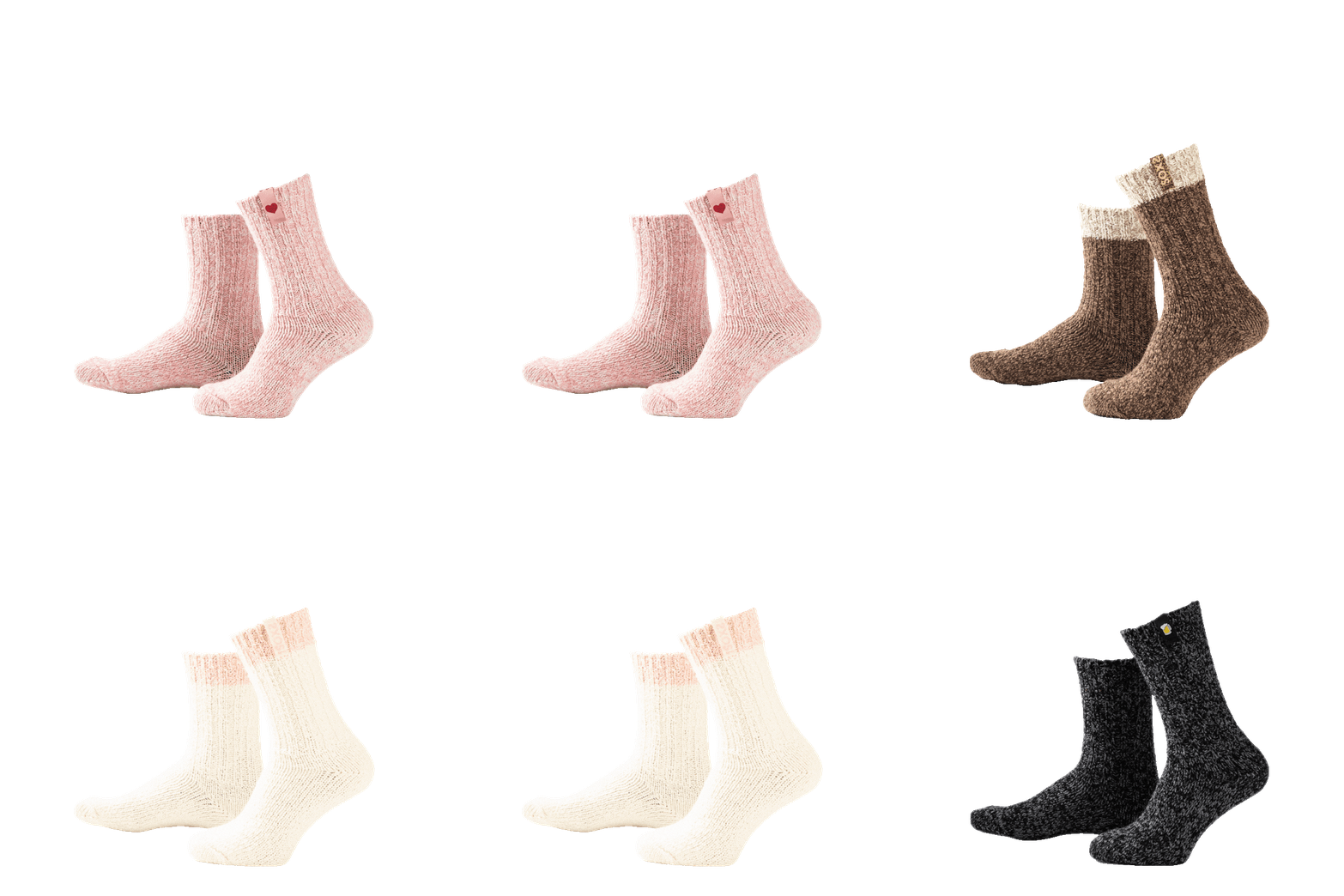
Soft warm premium wool socks
Gift ready, stylishly packaged
Orders placed before 1:00 PM will be shipped today (on weekdays) PLEASE NOTE: The delivery time of Pimp My Soxs is 5 working days!

You’ve probably heard countless claims about different fabrics and their health benefits, but when it comes to wool, medical professionals are starting to take notice. Unlike synthetic materials that can trap moisture and create uncomfortable conditions, natural wool fibres offer unique properties that doctors increasingly recognise for their contribution to overall wellbeing and comfort.
From temperature regulation to antimicrobial properties, the benefits of wool extend far beyond just keeping you warm. These natural characteristics make wool particularly valuable for people with sensitive skin, circulation issues, or those simply seeking better daily comfort. Let’s explore the seven key health benefits of wool that medical professionals recommend and understand why this ancient material remains relevant in modern wellness.
Wool’s unique fibre structure creates natural climate control for your body. The crimped structure of wool fibres traps air in tiny pockets, creating insulation that adapts to your body temperature. When you’re cold, these air pockets retain warmth. When you’re warm, the fibres allow heat to escape, preventing overheating.
This natural thermostat effect proves particularly beneficial for people who experience temperature fluctuations throughout the day. Unlike synthetic materials that either trap heat or provide no insulation, wool actively responds to your body’s needs. Medical professionals often recommend wool for patients experiencing night sweats or those with conditions affecting temperature regulation.
The temperature-regulating properties work because wool can absorb up to 30% of its weight in moisture without feeling damp, while simultaneously managing heat transfer. This creates a comfortable microclimate around your skin that remains stable regardless of external temperature changes.
Wool naturally draws moisture away from your skin, creating an environment where bacteria and fungi struggle to thrive. This moisture management system works through wool’s ability to absorb vapour while keeping the surface next to your skin relatively dry.
For people prone to athlete’s foot, skin irritation, or bacterial infections, wool’s moisture-wicking capability offers significant advantages over synthetic alternatives. Cotton retains moisture, creating breeding grounds for microorganisms, while many synthetic fibres simply push moisture around rather than managing it effectively.
The natural lanolin in wool fibres also contributes to skin health by providing a gentle, protective barrier. This combination of moisture management and natural protection helps maintain healthier skin conditions, particularly in areas prone to friction or extended contact with fabric.
Contrary to common misconceptions, properly processed wool, particularly merino wool, rarely causes allergic reactions. The hypoallergenic properties stem from wool’s natural resistance to dust mites, mould, and bacteria – common triggers for allergic responses.
Wool fibres create an inhospitable environment for dust mites because they cannot survive in wool’s naturally dry, breathable structure. This makes wool bedding and clothing particularly beneficial for people with asthma or dust mite allergies. Medical professionals often recommend wool for patients seeking alternatives to synthetic materials that may harbour allergens.
The key lies in choosing high-quality, ethically sourced wool that has been properly processed. Modern wool processing techniques remove the coarser fibres that historically caused irritation, leaving behind softer, finer fibres that feel gentle against sensitive skin.
Sleep specialists increasingly recognise wool’s contribution to better rest quality. Its temperature and moisture regulation properties work together to maintain optimal sleeping conditions throughout the night, reducing sleep disruptions caused by overheating or feeling clammy.
Wool’s ability to keep you warm without causing overheating helps maintain the natural temperature drop your body needs for deep sleep. When your feet stay comfortably warm, blood vessels dilate, signalling to your brain that it’s time to sleep. This natural sleep enhancement occurs without the stuffiness associated with synthetic materials.
Research suggests that maintaining proper foot temperature contributes to faster sleep onset and fewer nighttime awakenings. Wool’s breathable warmth creates ideal conditions for this natural process, supporting your body’s circadian rhythms rather than disrupting them.
Wool possesses inherent antimicrobial properties thanks to its protein structure and natural oils. The keratin protein in wool creates an environment that inhibits bacterial growth, while the natural lanolin provides additional protective qualities.
These antimicrobial characteristics mean wool items stay fresher for longer and require less frequent washing than synthetic alternatives. This reduces exposure to harsh detergents and extends the lifespan of wool products. Medical professionals appreciate this aspect for patients with sensitive skin who benefit from wearing items that naturally resist odour-causing bacteria.
The antimicrobial action works continuously as long as the wool maintains its natural properties. Unlike chemical treatments that wash out over time, wool’s natural defence system remains active throughout the product’s lifetime, providing ongoing protection against microorganisms.
High-quality wool products last significantly longer than synthetic alternatives, reducing your exposure to the chemicals used in manufacturing replacement items. Synthetic fabrics often require chemical treatments for stain resistance, antimicrobial properties, or moisture management – treatments that can irritate sensitive skin.
Wool achieves these same benefits naturally, without chemical additives. When wool products do require washing, they need fewer harsh detergents and fabric softeners because wool naturally resists odours and maintains softness. This reduced chemical exposure particularly benefits people with chemical sensitivities or skin conditions.
The longevity of wool also means less frequent replacement, reducing the environmental and health impacts associated with manufacturing and disposing of synthetic textiles. Quality wool items can last for years with proper care, maintaining their beneficial properties throughout their lifespan.
Wool’s natural breathability allows air to circulate freely around your skin, supporting healthy blood flow and preventing the compression issues associated with non-breathable synthetic materials. This circulation support proves particularly important for people with diabetes, circulation problems, or those who spend long periods on their feet.
The loose, elastic structure of wool fibres creates natural flexibility that moves with your body without restricting blood flow. Unlike tight synthetic materials that can create pressure points, wool’s breathable structure accommodates natural movement and swelling without compromising circulation.
Medical professionals often recommend wool for patients requiring non-restrictive clothing that won’t interfere with circulation. The combination of breathability, flexibility, and moisture management creates optimal conditions for healthy skin and proper blood flow.
SOXS provides the complete solution for experiencing these doctor-recommended wool health benefits through our carefully crafted collection of premium wool products. Our approach combines the natural advantages of ethically sourced merino wool with thoughtful design that maximises comfort and health benefits.
Here’s how SOXS delivers these health advantages:
Ready to experience the health benefits of premium wool? Explore our complete collection and discover how the right wool products can improve your daily comfort and wellbeing.
Have you noticed the difference that natural fibres make to your daily comfort and wellbeing?
True wool allergies are rare and usually involve reactions to lanolin rather than the wool fibre itself. If you experience itching with coarse wool but not with fine merino wool, you’re likely sensitive to processing residues or coarser fibres. Try high-quality merino wool products first, and if irritation persists, consult a dermatologist for proper allergy testing.
Many people with eczema find that fine merino wool actually helps their condition due to its moisture-wicking and antimicrobial properties. However, start gradually with small areas of contact and choose superfine wool grades. Always consult your dermatologist before making significant changes to fabrics that touch affected skin areas.
Wash wool items less frequently than synthetics – their natural antimicrobial properties mean they stay fresh longer. Use cool water, gentle wool-specific detergents, and avoid fabric softeners which can coat the fibres and reduce their natural properties. Air dry flat to maintain the fibre structure that provides health benefits.
Merino wool offers the same core health benefits as regular wool but with finer, softer fibres that feel more comfortable against sensitive skin. Merino’s smaller fibre diameter (typically 18-24 microns vs 25-40 for regular wool) reduces the scratchy sensation while maintaining superior temperature regulation and moisture management properties.
Yes, wool’s natural antimicrobial properties and superior moisture management create an environment where odour-causing bacteria and fungal infections struggle to thrive. Wool socks keep feet drier than cotton or synthetic alternatives, reducing the warm, moist conditions that promote athlete’s foot and foot odour.
Wool can be excellent for people with diabetes due to its breathability, moisture-wicking properties, and non-restrictive nature. However, always consult your healthcare provider first. Look for seamless wool socks and avoid tight-fitting wool garments. The natural elasticity and breathability support healthy circulation without creating pressure points.
Many people notice immediate comfort improvements, especially better temperature regulation and reduced clamminess. Skin health benefits like reduced irritation or fewer bacterial issues typically become apparent within 1-2 weeks of regular wear. Sleep quality improvements from wool bedding are often noticed within the first few nights of use.