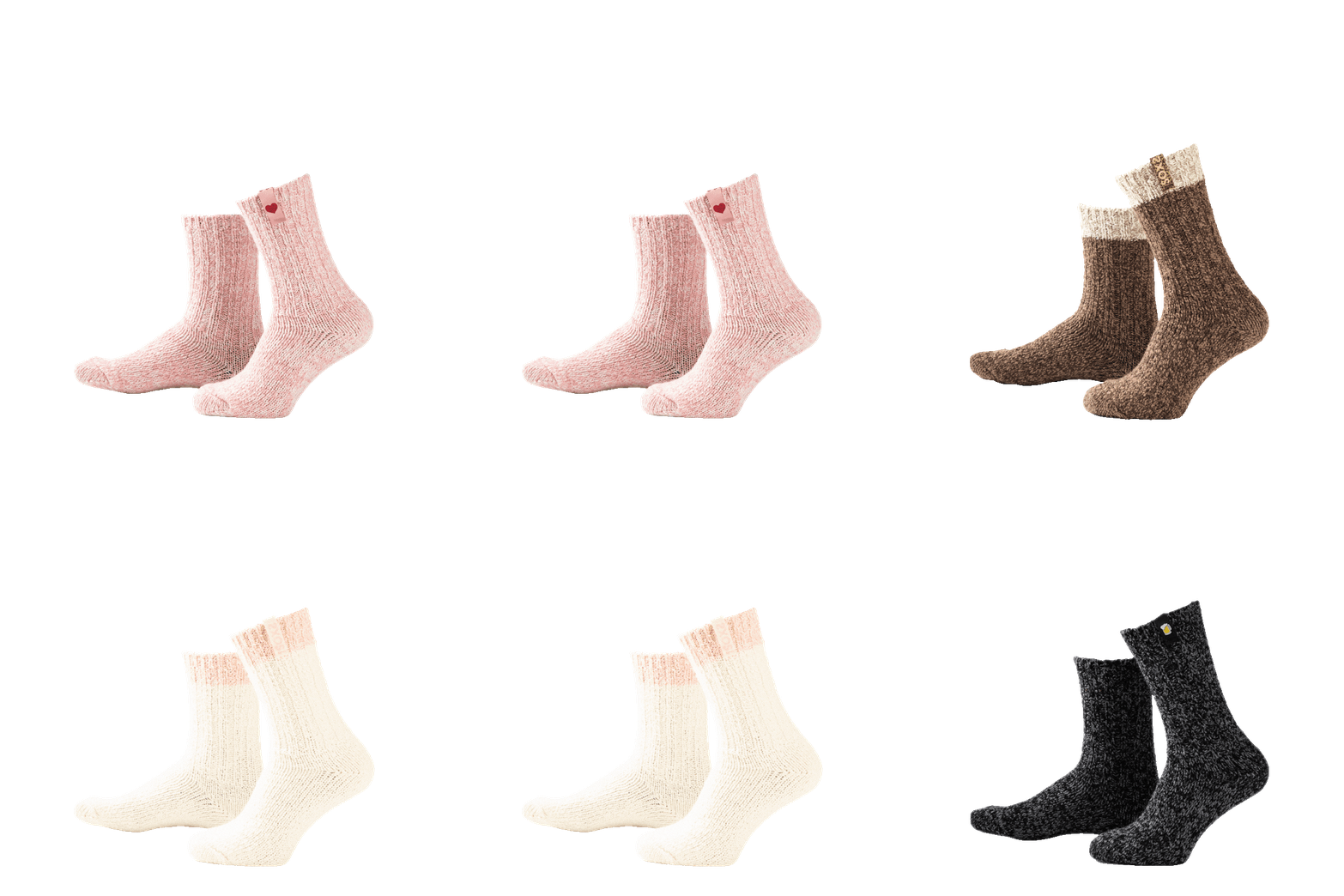
Soft warm premium wool socks
Gift ready, stylishly packaged
Orders placed before 1:00 PM will be shipped today (on weekdays) PLEASE NOTE: The delivery time of Pimp My Soxs is 5 working days!

Wool socks can reduce swelling through natural compression, temperature regulation, and moisture management that promotes healthy circulation. The unique properties of humanely sheared wool create gentle pressure around your feet while maintaining breathability, helping reduce fluid retention and inflammation. These seven methods show how wool socks address the root causes of foot swelling more effectively than synthetic alternatives.
Foot swelling typically results from poor circulation, prolonged standing, fluid retention, or medical conditions that affect blood flow. Wool socks help by naturally conforming to your foot shape, providing gentle compression that encourages blood circulation while regulating temperature and moisture levels that can worsen swelling.
Poor circulation often stems from sitting or standing in one position for extended periods, causing blood to pool in your lower extremities. The natural elasticity found in quality wool fibres creates a supportive environment that gently encourages blood flow back toward your heart. Unlike rigid synthetic materials, wool adjusts to your foot’s changing size throughout the day.
Temperature fluctuations can also contribute to swelling. When your feet get too warm, blood vessels dilate and can lead to increased fluid retention. Wool’s thermoregulating properties help maintain optimal foot temperature, preventing the overheating that often makes swelling worse.
Wool fibres naturally stretch and conform to your foot’s contours, creating gentle, even compression that promotes blood circulation without feeling restrictive. This compression helps prevent blood from pooling in your feet and encourages the return of fluid to your circulatory system.
The compression effect works differently from traditional compression socks. Rather than applying uniform pressure, wool adapts to the unique shape of your feet, providing more support where needed and less where circulation flows naturally. This adaptive quality means you get circulation benefits without the tight, uncomfortable feeling that can come from synthetic compression garments.
Quality wool maintains its elasticity throughout the day, ensuring consistent compression even as your feet naturally swell slightly from daily activities. The fibres spring back to their original shape, providing ongoing support that doesn’t diminish as you wear them.
Wool’s thermoregulating properties keep feet at optimal temperature, preventing overheating that can worsen swelling by causing blood vessels to dilate. Proper temperature control helps maintain healthy circulation and reduces the inflammatory response that contributes to fluid retention.
When your feet become too warm, your body increases blood flow to the area to help cool down, which can exacerbate existing swelling. Wool naturally wicks heat away from your skin when you’re warm and provides insulation when you’re cool, maintaining a consistent temperature that supports healthy circulation.
This temperature regulation works in both directions. In cold conditions, wool keeps your feet warm enough to maintain proper blood flow, preventing the vasoconstriction that can lead to poor circulation and subsequent swelling when your feet warm up again.
Wool absorbs moisture while keeping feet dry, preventing bacterial growth and skin irritation that can compound swelling issues. Dry feet are less prone to inflammation and the additional swelling that comes from skin problems or infections.
Excess moisture creates an environment where bacteria thrive, potentially leading to skin irritation, athlete’s foot, or other conditions that cause additional inflammation. Wool can absorb up to 30% of its weight in moisture while still feeling dry to the touch, keeping your skin healthy and reducing factors that worsen swelling.
The moisture wicking properties also prevent the maceration of skin that occurs when feet stay damp for extended periods. Healthy, intact skin is less likely to become inflamed and contribute to localised swelling around affected areas.
Wool’s natural breathability and elasticity surpass synthetic materials in maintaining shape and supportive properties throughout the day. Unlike synthetic fibres that can lose their stretch, quality wool maintains consistent compression and temperature regulation that supports healthy circulation for hours.
Synthetic materials often trap heat and moisture, creating conditions that can worsen circulation problems. They also tend to lose their elasticity more quickly, meaning any compression benefits diminish as the day progresses. Wool maintains its supportive properties wash after wash, providing reliable circulation support.
The natural crimp in wool fibres creates tiny air pockets that enhance breathability while maintaining insulation. This structure allows for better air circulation around your feet compared to synthetic materials, which often create a sealed environment that can restrict natural temperature regulation.
Select wool sock thickness based on your swelling severity, daily activities, and footwear. Light to medium weight wool socks work best for mild swelling, while those with more significant circulation issues may benefit from slightly thicker options that provide additional gentle compression.
For mild swelling or prevention, lightweight wool socks provide sufficient compression and breathability without feeling bulky in regular shoes. If you experience moderate swelling, medium weight socks offer more substantial support while still fitting comfortably in most footwear.
Consider your activity level when choosing thickness. If you’re on your feet all day, medium weight socks provide better cushioning and support. For desk work or less active days, lighter weights may be more comfortable while still providing circulation benefits.
Wear wool socks from morning until evening for best results, putting them on before swelling begins rather than after it develops. Morning prevention is more effective than evening treatment because it addresses circulation issues before fluid has a chance to accumulate.
Start your day with wool socks to provide immediate gentle compression that supports circulation throughout your most active hours. This proactive approach helps prevent the gradual fluid accumulation that leads to end of day swelling.
If you experience swelling primarily during specific activities like long periods of standing or sitting, put on wool socks beforehand. The gentle compression and temperature regulation work best when they’re supporting your circulation from the start of the challenging activity.
Wash wool socks by hand or use a wool specific washing programme with cool water to preserve their elasticity and compression properties. Proper care maintains the fibres’ natural ability to provide gentle compression and temperature regulation that supports circulation.
Use wool specific detergent and wash at maximum 30°C to prevent the fibres from felting or losing their stretch. Avoid fabric softeners, which can coat the fibres and reduce their natural moisture wicking properties.
Never put wool socks in the dryer, as heat can cause them to shrink and lose their elasticity. Instead, gently squeeze out excess water and lay them flat to dry. This preserves the natural crimp in the fibres that provides the gentle compression beneficial for circulation.
Store your wool socks properly by laying them flat or rolling them gently rather than stretching them over hangers. This helps maintain their shape and ensures they continue providing consistent compression and circulation support wear after wear.
Quality wool socks offer a natural, comfortable solution for managing foot swelling through gentle compression, temperature regulation, and moisture management. By choosing the right thickness, wearing them consistently, and caring for them properly, you can experience the circulation benefits that make wool socks superior to synthetic alternatives. At SOXS, we’ve combined traditional New Zealand sheep’s wool with modern technology to create socks that provide these benefits without the itchiness often associated with wool, giving you all the circulation support with maximum comfort.