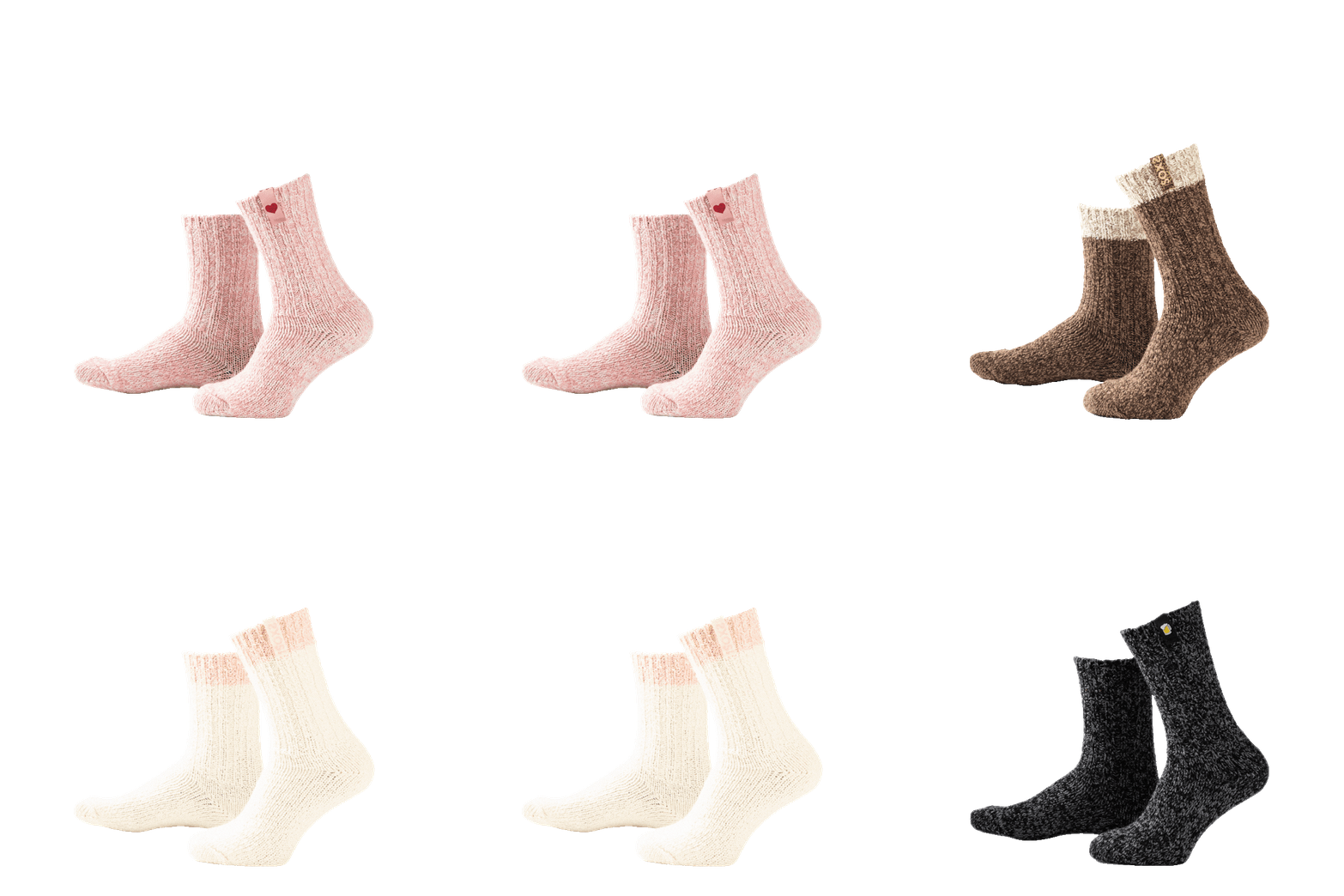
Soft warm premium wool socks
Gift ready, stylishly packaged
Orders placed before 1:00 PM will be shipped today (on weekdays) PLEASE NOTE: The delivery time of Pimp My Soxs is 5 working days!

When you have diabetes, your feet need extra attention. High blood sugar levels can damage nerves and blood vessels in your feet, making them more vulnerable to infections, slow-healing wounds, and serious complications. The good news? The right socks can make a significant difference in protecting your foot health.
Proper diabetic foot care isn’t just about checking your feet daily, though that’s important too. It’s about creating the right environment for your feet throughout the day. Quality diabetes socks work as your first line of defense, helping prevent moisture buildup, pressure points, and circulation issues that can lead to serious problems.
Let’s explore how the right socks can become an important part of your diabetic foot protection routine.
Diabetes affects your feet in ways that might not be immediately obvious. Diabetic neuropathy reduces feeling in your feet, meaning you might not notice small cuts, blisters, or pressure points that could develop into serious problems. At the same time, diabetes can reduce blood circulation to your extremities, slowing down your body’s natural healing process.
This combination creates a perfect storm for foot complications. A simple blister that a person without diabetes might heal from quickly can become an infected wound that’s slow to recover. Poor circulation means less oxygen and fewer nutrients reach your feet, while nerve damage means you might not feel pain that would normally alert you to a problem.
The increased infection risk comes from high blood sugar levels, which can weaken your immune system and create an environment where bacteria thrive. That’s why diabetic foot care focuses heavily on prevention rather than treatment, avoiding problems before they start is far easier than dealing with complications later.
Proper circulation is vital for foot health in diabetes management, and the right socks can help support healthy blood flow. Circulation socks with gentle compression features work by applying mild pressure that encourages blood to flow back up toward your heart, rather than pooling in your feet and ankles.
Unlike medical compression stockings that require a prescription, diabetic socks with light compression provide just enough support to help reduce swelling without restricting blood flow. The key is finding socks that fit properly, too tight, and they’ll cut off circulation; too loose, and they won’t provide the support you need.
Look for socks with a comfortable, non-binding top that doesn’t leave marks on your legs. The gentle pressure should feel supportive rather than restrictive. Many people with diabetes find that wearing properly fitted socks with mild compression helps reduce the end-of-day swelling that can make shoes feel tight and uncomfortable.
Moisture is one of the biggest enemies of healthy feet when you have diabetes. Damp conditions create the perfect breeding ground for bacteria and fungi, which can quickly lead to infections that are difficult to treat. Diabetes socks made from moisture-wicking materials help keep your feet dry throughout the day.
Natural fibers like merino wool are particularly effective at managing moisture. Wool can absorb up to 30% of its weight in moisture without feeling damp, while still maintaining its insulating properties. This means your feet stay dry and comfortable, even during physical activity or in warm conditions.
Synthetic moisture-wicking materials can also be effective, particularly in athletic or sport-specific diabetes socks. The key is choosing materials that pull sweat away from your skin and allow it to evaporate, rather than trapping it against your feet. Avoid cotton socks, which tend to hold moisture and can become breeding grounds for bacteria.
Pressure points are areas where your foot bears extra weight or rubs against your shoe. For people with diabetes, these spots can quickly develop into painful ulcers if not properly protected. Foot ulcer prevention starts with reducing pressure and friction in vulnerable areas.
Quality diabetic socks feature strategic padding in high-pressure zones like the heel, ball of the foot, and toes. This extra cushioning helps distribute your weight more evenly, reducing the concentrated pressure that can damage skin over time. The padding should be substantial enough to provide protection but not so thick that it makes your shoes feel tight.
Some diabetic socks also feature graduated padding, with thicker cushioning in the highest-pressure areas and thinner padding elsewhere. This design helps maintain a comfortable fit while providing protection where you need it most. Remember, preventing pressure sores is much easier than treating them once they develop.
When you have diabetes, your skin can become more sensitive and prone to irritation. Choosing the right materials for your diabetic footwear can make a significant difference in your daily comfort and long-term foot health.
Merino wool stands out as an excellent choice for sensitive diabetic feet. It’s naturally soft, doesn’t itch like traditional wool, and provides excellent temperature regulation. Wool’s natural antibacterial properties also help prevent odor and reduce infection risk. The fiber’s ability to regulate temperature means your feet won’t overheat, which can cause sweating and moisture problems.
High-quality synthetic blends can also work well, particularly those designed specifically for diabetic needs. Look for materials that are labeled as hypoallergenic and avoid rough or scratchy textures. Some people find that bamboo-based fibers offer good moisture-wicking properties with a soft feel, though these may not be as durable as wool or synthetic options.
Seams might seem like a minor detail, but they can cause major problems for people with diabetic neuropathy. Traditional sock seams, particularly across the toes, can create pressure points and friction that lead to blisters, hot spots, and skin irritation.
Diabetic foot problems often start small, a tiny blister or area of irritation that goes unnoticed due to reduced sensation. Seamless construction eliminates these potential problem areas by creating a smooth interior surface that won’t rub against your skin.
When shopping for diabetic socks, look for seamless toe construction and smooth interior finishes throughout the sock. Some manufacturers use flat-seam technology, which creates very low-profile seams that won’t cause pressure points. Others use seamless knitting techniques that eliminate seams entirely. Both approaches can be effective, but seamless construction generally provides the smoothest feel.
Temperature regulation plays a crucial role in foot health in diabetes management. Your feet need to stay warm enough to maintain good circulation, but not so warm that they become sweaty and prone to bacterial growth. The right socks help maintain this delicate balance.
Proper temperature regulation supports your body’s natural healing processes by maintaining good blood flow to your extremities. When your feet are too cold, blood vessels constrict, reducing the oxygen and nutrients that reach your tissues. When they’re too warm, you risk excessive sweating and moisture buildup.
Quality diabetic socks made from temperature-regulating materials like merino wool automatically adjust to your body’s needs. They provide insulation when it’s cold and allow heat to escape when it’s warm. This natural thermostat effect helps maintain the optimal environment for healthy feet throughout the day, regardless of external temperature changes.
Daily foot inspections are a cornerstone of diabetes foot protection, and the right socks can actually make these checks more effective. Light-colored, thin socks make it easier to spot any discharge, blood, or other signs of problems when you remove them at the end of the day.
White or light-colored socks act as an early warning system, any unusual staining or discoloration becomes immediately obvious. This can help you catch problems like small cuts, blisters, or infections before they become serious complications.
Thinner socks also make it easier to feel your feet during daily inspections. While you want adequate cushioning and protection, overly thick socks can make it harder to detect changes in your foot’s shape, temperature, or texture during your daily checks. The key is finding the right balance between protection and sensitivity.
Choosing the right socks is just one part of comprehensive diabetic foot care, but it’s an important foundation that affects your comfort and health every day. By focusing on proper fit, moisture management, pressure relief, and temperature regulation, you can significantly reduce your risk of foot complications.
Remember that the best diabetic socks are the ones that fit your specific needs and lifestyle. Someone who’s active might prioritize moisture-wicking properties, while someone with circulation issues might focus on gentle compression features. The key is understanding how each feature contributes to your overall foot health.
Start by evaluating your current socks, do they have seams that might cause pressure points? Do your feet feel sweaty or uncomfortable by the end of the day? Are there areas where your socks feel too tight or too loose? These observations can guide you toward the features that will make the biggest difference in your daily comfort.
SOXS provides comprehensive diabetic foot protection through specialized sock designs that address all the critical challenges discussed above. Our diabetic sock collection combines advanced moisture-wicking technology, seamless construction, and strategic cushioning to create an optimal environment for your feet. Key features include:
Take control of your diabetic foot health today by upgrading to properly designed protective socks. Visit our specialized diabetic sock collection to find the perfect combination of comfort, protection, and health benefits for your daily foot care routine.
Replace diabetic socks every 3-6 months or sooner if you notice stretched elastic, thinning fabric, or loss of cushioning. Unlike regular socks, diabetic socks lose their protective properties when worn out, so replacing them regularly is an investment in your foot health. If you wear them daily, consider having multiple pairs to rotate and extend their lifespan.
Yes, diabetic socks can benefit anyone with circulation issues, sensitive skin, or foot problems. The moisture-wicking, seamless construction, and gentle compression features are helpful for various conditions including peripheral artery disease, edema, or general foot sensitivity. However, consult your healthcare provider to ensure they’re appropriate for your specific condition.
Diabetic socks focus on gentle compression (8-15 mmHg) with seamless construction and moisture-wicking materials, while medical compression socks provide higher pressure levels (15-40+ mmHg) primarily for circulation. Diabetic socks prioritize preventing skin breakdown and infections, whereas compression socks mainly address swelling and blood flow. Many diabetic socks incorporate light compression, but they’re designed with additional protective features.
Generally, it’s better to let your feet breathe at night unless your doctor specifically recommends otherwise. Wearing any socks to bed can increase moisture and temperature, potentially creating conditions for bacterial growth. However, if you have severe circulation issues or your feet get very cold, consult your healthcare provider about appropriate nighttime foot care.
Properly fitted diabetic socks should feel snug but not tight, with no bunching or wrinkles. The top band shouldn’t leave marks on your leg, and your toes should have room to move freely. After wearing them, check for any red marks, indentations, or areas of irritation. If you experience any discomfort or notice marks on your skin, try a larger size or different style.
Wash diabetic socks in warm (not hot) water to preserve the fabric’s moisture-wicking and elastic properties. Hot water can break down synthetic fibers and cause wool to shrink or lose its beneficial characteristics. Use a gentle detergent and avoid fabric softeners, which can reduce moisture-wicking ability. Air drying or low-heat tumble drying helps maintain the sock’s protective features longer.
Never pop a blister, keep it clean and covered with a sterile bandage, and contact your healthcare provider immediately. Even with proper diabetic socks, blisters can still occur and require professional attention due to infection risk and slower healing in diabetes. Continue your daily foot inspections and consider whether your shoes might be contributing to the problem.