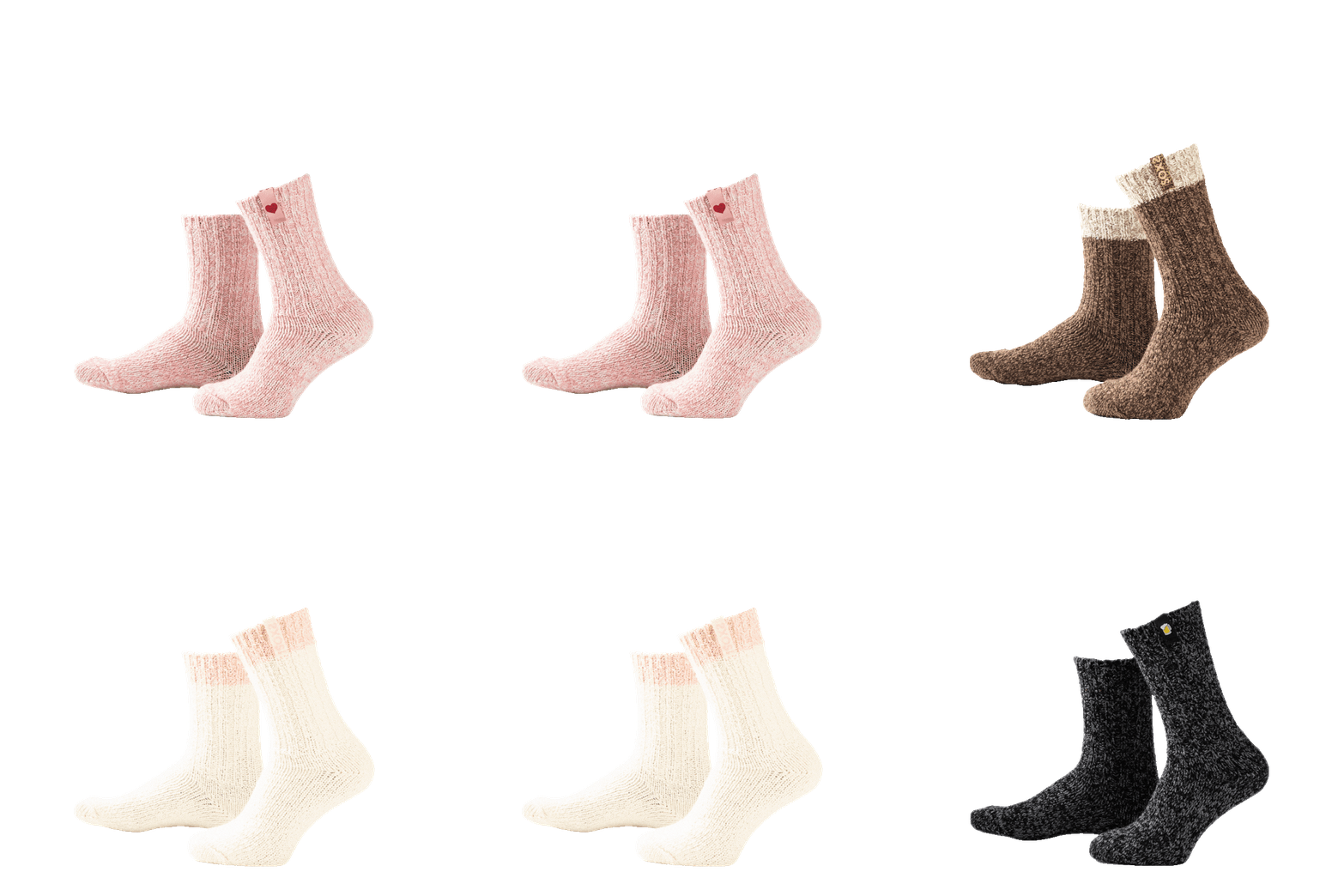
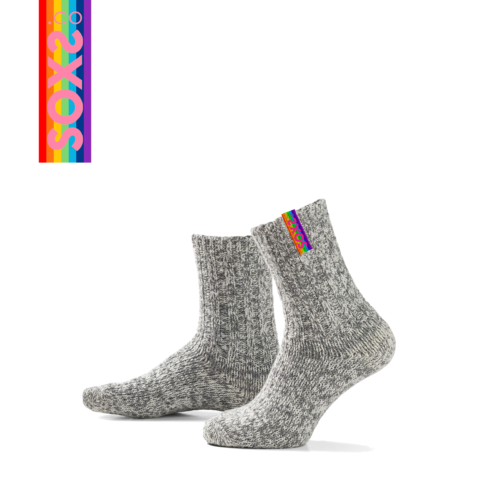
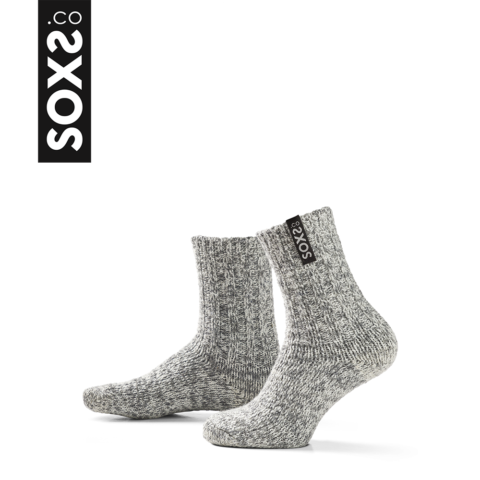
Soft warm premium wool socks
Gift ready, stylishly packaged
Orders placed before 1:00 PM will be shipped today (on weekdays) PLEASE NOTE: The delivery time of Pimp My Soxs is 5 working days!

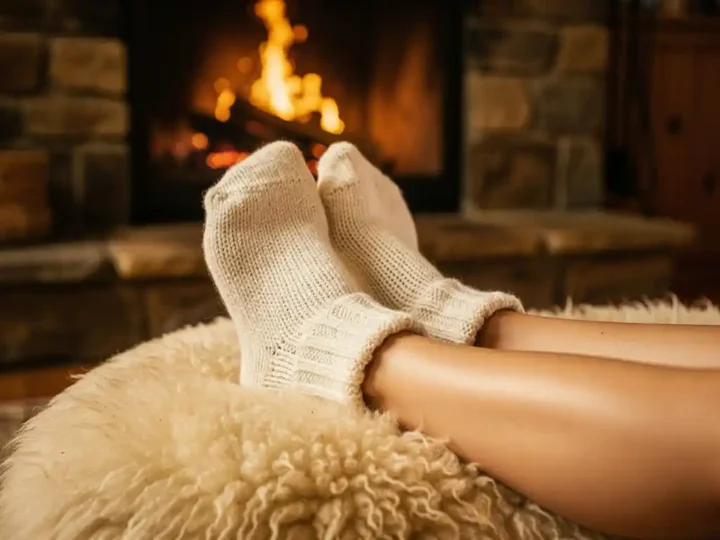
If you’ve ever experienced restless legs syndrome, you know how frustrating those uncomfortable sensations can be, especially when they strike at bedtime. That tingling, crawling, or irresistible urge to move your legs can turn peaceful evenings into restless nights. While there’s no magic cure, the right pair of socks can make a surprising difference in managing RLS symptoms.
You might wonder how something as simple as socks could help with restless legs syndrome relief. The answer lies in how different materials, fits, and designs can influence your comfort levels throughout the day and night. From improving circulation to regulating temperature, the right socks for restless legs can become a valuable part of your comfort toolkit.
Your choice of socks affects more than just comfort; it influences circulation, temperature regulation, and overall leg wellness. When you have restless legs syndrome, these factors become even more important for managing symptoms and improving sleep quality.
Proper sock materials and fit can help maintain optimal blood flow in your legs. Poor circulation often worsens RLS symptoms, so anything that promotes healthy blood flow can provide relief. The right socks avoid constricting your legs while still providing gentle support where needed.
Temperature regulation plays another crucial role. Many people with restless legs syndrome find that temperature extremes trigger their symptoms. Socks made from natural fibres like merino wool naturally regulate foot temperature, keeping you comfortable without overheating or getting too cold.
The construction and design of your socks matter too. Pressure points from thick seams or tight elastic bands can create additional discomfort that compounds RLS symptoms. Seamless construction and thoughtful design eliminate these sources of irritation, allowing you to focus on rest rather than discomfort.
Compression socks top many lists for good reason when it comes to leg comfort. These specially designed socks apply graduated pressure that’s tightest at the ankle and gradually decreases up the leg. This design encourages blood flow back toward your heart, which can help reduce the uncomfortable sensations associated with restless legs syndrome.
The gentle, consistent pressure from compression socks can provide a soothing sensation that many people with RLS find calming. Unlike restrictive socks that cut off circulation, proper compression socks actually enhance blood flow while reducing swelling and heaviness in your legs.
When choosing compression socks, look for mild to moderate compression levels (15 to 20 mmHg) unless your doctor recommends otherwise. Higher compression levels typically require medical supervision. The key is finding socks that provide gentle support without being uncomfortably tight, especially if you plan to wear them for extended periods or while sleeping.
Merino wool stands out as one of nature’s best temperature-regulating materials. These fibres naturally adapt to your body temperature, keeping your feet warm when it’s cold and cool when it’s warm. For people with restless legs syndrome, this temperature stability can help prevent the discomfort that temperature fluctuations often trigger.
The unique structure of merino wool fibres traps air for insulation while still allowing moisture to escape. This means your feet stay dry and comfortable, even during temperature changes throughout the night. Wool can absorb up to 30% of its weight in moisture without feeling damp, making it ideal for all night wear.
Unlike synthetic materials that can feel clammy or cause overheating, merino wool breathes with your body. This natural moisture wicking ability prevents the sweaty, uncomfortable feeling that can worsen restless legs symptoms. Many people find that consistent, comfortable foot temperature throughout the night leads to better sleep and fewer RLS episodes.
Traditional sock seams, particularly around the toe area, can create pressure points that become increasingly uncomfortable as the day progresses. For people with sensitive feet or restless legs syndrome, these pressure points can contribute to overall leg discomfort and restlessness.
Seamless toe socks eliminate these sources of irritation through flat seam construction or completely seamless knitting techniques. This smooth interior surface reduces friction and pressure, allowing you to wear the socks comfortably for extended periods without developing sore spots or additional discomfort.
Some seamless socks also feature individual toe compartments, similar to toe socks. While this design isn’t for everyone, many people find that separating the toes reduces moisture buildup and allows for better circulation between the toes. This can contribute to overall foot comfort and may help reduce the restless sensations that often start in the feet and travel up the legs.
Bamboo fibre socks offer unique benefits for people with sensitive skin or those who find that certain materials worsen their restless legs symptoms. Bamboo naturally contains antimicrobial properties that help prevent odour and bacterial growth, keeping your feet fresher and more comfortable throughout the day.
The ultra soft texture of bamboo fibres feels silky against your skin, making these socks particularly comfortable for people who are sensitive to rougher materials. This softness can be especially beneficial at night when you’re trying to minimise any sensations that might trigger restless legs syndrome symptoms.
Bamboo fibres also excel at moisture management, wicking sweat away from your skin while remaining breathable. This combination of softness, moisture control, and hypoallergenic properties makes bamboo socks a gentle option for people whose RLS symptoms are triggered or worsened by skin irritation or uncomfortable textures.
Athletic socks with strategic cushioning provide extra padding in high impact areas like the heel and forefoot. This additional cushioning can reduce fatigue and discomfort during daily activities, which may help prevent the buildup of leg tension that often contributes to restless legs syndrome symptoms.
The moisture wicking properties of quality athletic socks keep your feet dry and comfortable throughout active days. Many feature synthetic blends or merino wool that pull sweat away from your skin while providing the durability needed for regular wear. This moisture management prevents the clammy, uncomfortable feeling that can worsen RLS symptoms.
Look for athletic socks with arch support and strategic padding that match your daily activities. Whether you’re on your feet all day at work or enjoy regular exercise, the right cushioned socks can reduce overall leg fatigue. Less tired, more comfortable legs often mean fewer restless legs episodes, especially in the evening when symptoms typically worsen.
Sleep socks designed specifically for nighttime wear prioritise gentle warmth without restriction. These socks typically feature looser fits around the calf and ankle to avoid impeding circulation while you sleep. The goal is to maintain a comfortable foot temperature without creating any pressure points that might disturb your rest.
Many sleep socks use lightweight, breathable materials that provide just enough warmth to keep your feet comfortable without causing overheating. Some people with restless legs syndrome find that slightly warm feet help them fall asleep faster and experience fewer nighttime symptoms.
The key with sleep socks is finding the right balance. They should be loose enough to allow natural blood flow but snug enough to stay in place throughout the night. Look for socks with gentle, non binding cuffs and smooth interior surfaces that won’t create irritation during movement in your sleep.
Copper infused socks represent a newer category that some people find helpful for managing leg discomfort. The copper fibres woven into these socks are claimed to provide antimicrobial benefits and may support healthy circulation, though individual results vary significantly.
The antimicrobial properties of copper can help keep feet fresher and reduce odour, which contributes to overall comfort. Some users report that copper infused socks feel more comfortable during extended wear, though scientific evidence for specific restless legs syndrome benefits remains limited.
While copper infused socks may offer additional comfort benefits, they work best when combined with other important features like proper fit, breathable materials, and appropriate cushioning. Consider them as one potential element in your comfort strategy rather than a standalone solution for restless legs syndrome relief.
Choosing the right socks for restless legs syndrome often involves some trial and error to find what works best for your specific needs. Start by considering when your symptoms are most bothersome, whether that’s during the day, in the evening, or primarily at night, and choose socks designed for those timeframes.
Material preferences vary significantly between individuals. Some people find merino wool’s temperature regulation most helpful, while others prefer the softness of bamboo or the support of compression socks. Consider trying different materials to see which feels most comfortable and seems to help with your symptoms.
Pay attention to fit and construction details. Look for socks with smooth seams, appropriate compression levels, and cuff designs that don’t create pressure points. The most therapeutic socks are the ones you’ll actually want to wear regularly, so comfort should be your primary consideration.
SOXS provides specialized comfort solutions designed specifically for people dealing with restless legs syndrome. Our comprehensive approach to sock design addresses the key factors that contribute to RLS relief:
Our commitment to quality craftsmanship ensures that every pair delivers the consistent comfort and durability you need for effective RLS management. Whether you need daytime support socks or gentle nighttime options, SOXS offers solutions that work with your lifestyle and symptoms. Ready to experience the difference that properly designed socks can make for your restless legs syndrome? Explore our complete collection and discover comfort solutions crafted specifically for your well being.
For RLS relief, you can wear mild compression socks (15-20 mmHg) throughout the day, but remove them before bed unless specifically advised by your doctor. Most people find 8-12 hours of daytime wear provides optimal circulation benefits without causing discomfort. If you’re new to compression socks, start with shorter periods and gradually increase wearing time.
Yes, many people with RLS find that loose-fitting sleep socks help maintain comfortable foot temperature throughout the night. Choose socks specifically designed for sleep with non-binding cuffs and breathable materials like merino wool or bamboo. Avoid tight-fitting or compression socks while sleeping unless recommended by your healthcare provider.
Socks designed for restless legs prioritize circulation support, temperature regulation, and pressure-point elimination. They typically feature seamless construction, moisture-wicking materials, appropriate compression levels, and softer textures. Regular socks may have thick seams, restrictive elastic bands, or materials that trap heat and moisture, potentially worsening RLS symptoms.
Natural materials like merino wool and bamboo often work better for RLS because they naturally regulate temperature and wick moisture without feeling synthetic or clammy. However, high-quality synthetic blends in athletic socks can also provide excellent moisture management and durability. The key is avoiding materials that cause overheating, irritation, or excessive moisture buildup.
Signs that socks are too tight include visible marks on your legs after removal, numbness or tingling, increased leg discomfort, or difficulty putting them on. Properly fitted socks should feel snug but not restrictive, allow normal toe movement, and leave no indentations on your skin. If symptoms worsen while wearing certain socks, try a looser fit or different style.
Yes, ill-fitting socks can worsen RLS symptoms by restricting circulation, creating pressure points, or causing temperature extremes. Socks with tight elastic bands, thick seams, or non-breathable materials can contribute to leg discomfort and restlessness. This is why choosing appropriate socks is an important part of RLS management strategy.
Start with 3-4 pairs to allow for regular washing while always having clean socks available. Consider having different types for different activities: compression socks for daytime, athletic socks for exercise, and loose sleep socks for nighttime. Once you find styles that work well for your symptoms, you can invest in additional pairs of your preferred types.
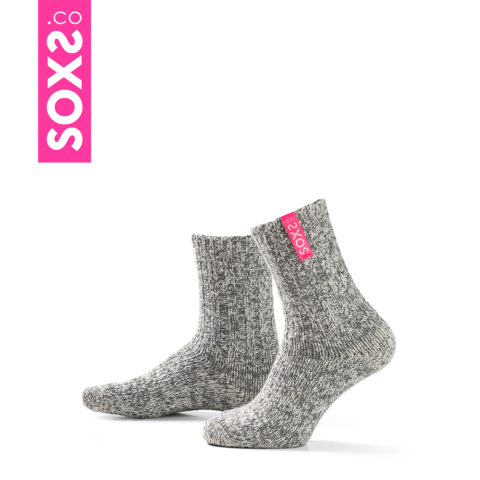
Calf height
Calf height
Calf height