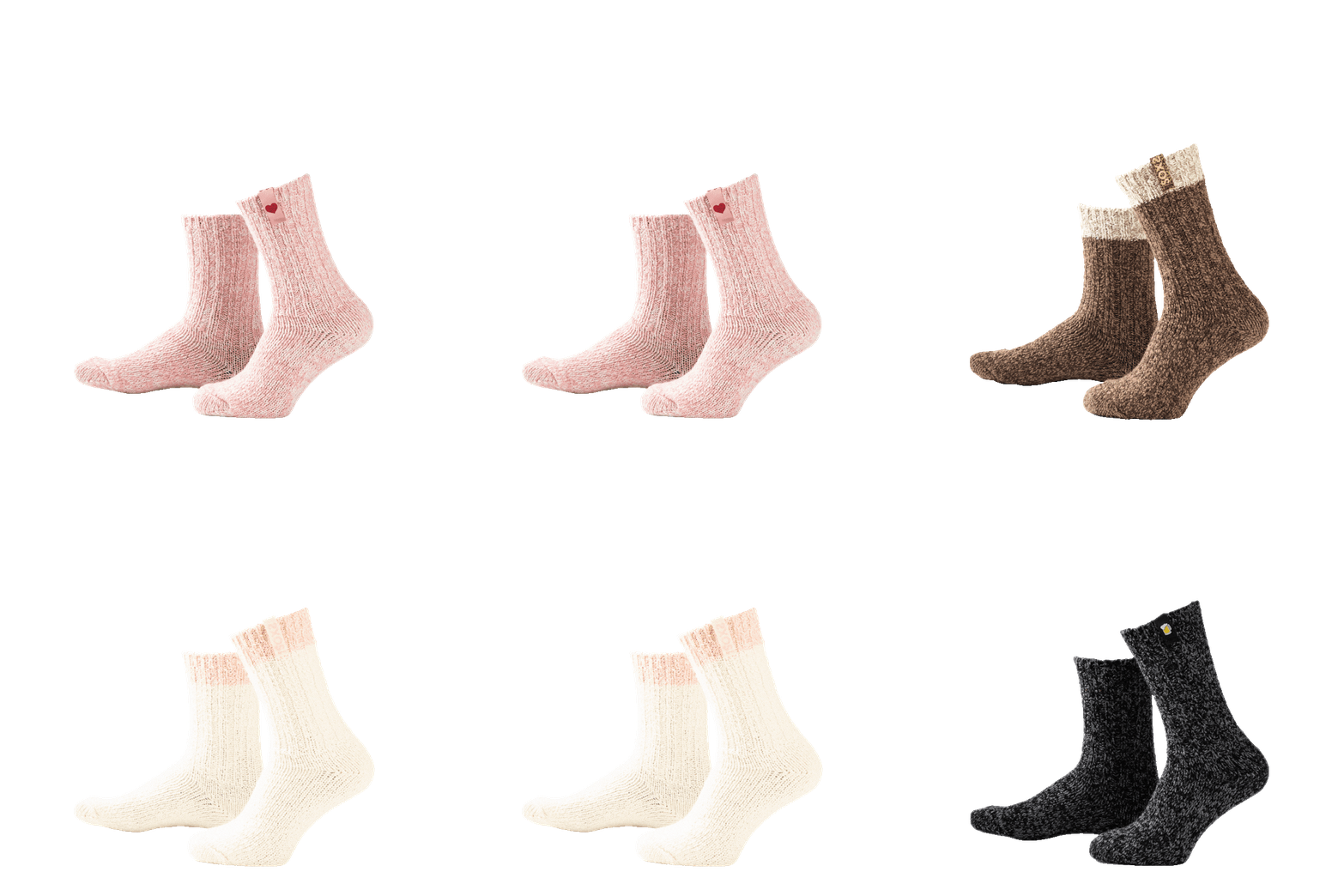
Soft warm premium wool socks
Gift ready, stylishly packaged
Orders placed before 1:00 PM will be shipped today (on weekdays) PLEASE NOTE: The delivery time of Pimp My Soxs is 5 working days!

Living with neuropathy in your feet can turn even the simplest daily activities into uncomfortable challenges. The tingling, numbness, and burning sensations make finding the right footwear essential for maintaining your quality of life. While you might think all socks are created equal, the truth is that specific sock types can make a remarkable difference in managing neuropathy symptoms and keeping your feet comfortable throughout the day.
The key lies in understanding how different sock features work together to address the unique needs of sensitive feet. From specialised cushioning that reduces pressure points to seamless construction that eliminates irritation, the right socks become more than just clothing—they become a daily comfort tool that helps you stay active and pain-free.
Neuropathy affects the peripheral nerves in your feet, often causing reduced sensation, increased sensitivity to pressure, and poor circulation. These symptoms create a perfect storm where your feet need extra protection but can’t always signal when something’s wrong.
Proper sock selection addresses these challenges through three key mechanisms. Cushioning distributes weight more evenly across your foot, reducing concentrated pressure that can cause pain or injury. Seamless construction eliminates friction points that sensitive skin might not detect until damage occurs. Finally, appropriate compression and moisture management help maintain healthy circulation and prevent complications.
The right neuropathy socks work as a protective barrier between your sensitive feet and the world around you. They create a controlled environment that compensates for reduced sensation while providing the comfort your nerves crave.
Extra cushioning transforms every step from a potential source of discomfort into a supported, comfortable experience. Cushioned socks feature additional padding strategically placed in high-impact areas like the heel and forefoot, where your feet absorb the most shock during walking and standing.
This enhanced padding serves multiple purposes for people with neuropathy. It absorbs impact that your damaged nerves might not properly process, reducing the risk of unnoticed injury. The cushioning also distributes pressure more evenly across your foot’s surface, preventing concentrated stress points that can lead to pain or tissue damage.
When shopping for cushioned neuropathy socks, look for options with varying thickness levels. Some days you might need maximum cushioning for extended walking, while other times a moderate level works better for regular shoes. The key is having options that match your daily activity level and comfort needs.
Traditional sock seams might seem insignificant, but for someone with neuropathy, these small ridges can create major problems. Seamless construction eliminates friction points that can cause blisters, hot spots, and irritation—issues that become particularly dangerous when you have reduced sensation.
Seamless socks use advanced knitting techniques to create smooth interior surfaces without bulky toe seams or side seams. This smooth construction is especially important around the toe area, where traditional seams often bunch up and create pressure points that sensitive feet can’t tolerate.
The benefits extend beyond just comfort. By eliminating these friction sources, seamless socks reduce your risk of developing wounds or infections that could go unnoticed due to reduced sensation. For people with neuropathy, prevention is always better than treatment, making seamless construction a worthwhile investment in your foot health.
Graduated compression promotes healthy blood flow, which is often compromised in people with neuropathy. These specialised socks apply gentle, measured pressure that’s strongest at the ankle and gradually decreases up the leg, encouraging blood to flow back toward your heart more efficiently.
For people with neuropathy, improved circulation can help reduce the tingling and numbness that often accompany poor blood flow. Better circulation also means more oxygen and nutrients reach your feet, supporting overall foot health and potentially slowing the progression of nerve damage.
Compression socks come in different pressure levels, typically measured in millimetres of mercury (mmHg). Light compression (8–15 mmHg) is often sufficient for mild circulation issues, while moderate compression (15–20 mmHg) might be recommended for more significant problems. Always consult your healthcare provider before starting compression therapy to ensure you choose the appropriate level.
Keeping your feet dry isn’t just about comfort—it’s about preventing serious complications that people with neuropathy are particularly vulnerable to. Moisture-wicking materials actively pull sweat away from your skin, creating an environment where harmful bacteria and fungi struggle to thrive.
Synthetic fibres like polyester and nylon excel at moisture transport, quickly moving perspiration to the sock’s outer surface where it can evaporate. Merino wool offers another excellent option, naturally regulating temperature while absorbing moisture without feeling wet against your skin. These materials maintain comfortable conditions regardless of your activity level or the weather.
The importance of dry feet cannot be overstated for people with neuropathy. Excess moisture creates ideal conditions for fungal infections, bacterial growth, and skin breakdown—all complications that can be difficult to detect and treat when you have reduced sensation. Moisture-wicking socks provide an essential first line of defence against these problems.
Diabetic socks are specifically engineered for people whose neuropathy stems from diabetes, incorporating features that address the unique challenges of diabetic foot care. These socks combine several protective elements that work together to reduce injury risk and promote foot health.
Key differences include non-binding tops that won’t restrict circulation, extra stretch to accommodate swelling, and antimicrobial properties that help prevent infections. Many diabetic socks also feature white or light-coloured soles that make it easier to spot any bleeding or discharge—an important safety feature when sensation is reduced.
The construction of diabetic socks typically includes reinforced heel and toe areas for durability, flat toe seams to reduce pressure, and moisture-wicking materials to maintain dry conditions. While anyone with neuropathy can benefit from these features, they’re particularly important for people with diabetes, who face higher risks of foot complications.
Non-binding sock tops prevent circulation restriction while still providing a secure, comfortable fit. These socks feature wider, more elastic tops that won’t create tight bands around your calves or ankles—areas where restricted blood flow can exacerbate neuropathy symptoms.
The loose-fitting design accommodates natural swelling that often occurs throughout the day, especially in people with circulation issues. Unlike regular socks that might become uncomfortably tight as swelling increases, non-binding socks maintain consistent comfort from morning until night.
This design philosophy extends to the entire sock construction. Loose-fitting neuropathy socks provide adequate room for your feet without being baggy or loose enough to cause blisters from excess material. The goal is to achieve the perfect balance between protection and freedom of movement.
Therapeutic socks incorporate specialised design elements specifically intended to address neuropathy symptoms. These advanced socks might include targeted arch support, gel padding in specific areas, or even built-in acupressure points designed to stimulate circulation and reduce discomfort.
Some therapeutic options feature temperature-regulating materials that help manage the hot and cold sensations common in neuropathy. Others incorporate graduated padding that provides more support in areas typically affected by nerve pain, such as the ball of the foot or heel.
The most advanced therapeutic socks combine multiple technologies—moisture-wicking fibres, antimicrobial treatments, seamless construction, and targeted cushioning—into a comprehensive foot care system. While these socks typically cost more than basic options, they can provide significant relief for people with moderate to severe neuropathy symptoms.
Selecting the perfect neuropathy socks requires considering your specific symptoms, activity level, and personal preferences. Start by identifying your primary concerns—whether that’s pain relief, circulation improvement, or infection prevention—then prioritise sock features accordingly.
Consider your daily routine when making your selection. If you’re active, prioritise cushioning and moisture-wicking properties. For office work, focus on compression and comfort features. If you have severe sensitivity, seamless construction and loose-fitting designs should top your list.
Remember that you might need different types of socks for different situations. Many people with neuropathy find success using compression socks during the day for circulation support, then switching to loose-fitting, cushioned options for evening comfort. Don’t be afraid to try various combinations until you find what works best for your unique needs.
SOXS provides comprehensive solutions for managing neuropathy symptoms through carefully designed socks that address the specific challenges of sensitive feet. Our approach combines multiple protective features to create an optimal environment for foot health and comfort.
Our neuropathy sock collection offers:
At SOXS, we understand that finding the right balance of comfort, support, and quality materials can make all the difference in managing neuropathy symptoms. Visit our shop to explore carefully selected options designed specifically for sensitive feet—because your feet deserve the care and attention that comes with choosing the right socks for your individual needs.
Properly fitting neuropathy socks should feel snug but not tight, with no bunching or sliding inside your shoes. Check that the heel sits correctly in the heel cup, there's no excess fabric at the toes, and the top band doesn't leave indentations on your leg. If you experience any red marks, increased numbness, or the socks feel too loose or tight, try a different size.
It depends on your specific needs and doctor's recommendations. Some people benefit from wearing loose-fitting, non-compression neuropathy socks to bed for warmth and protection, while others need their feet to breathe freely overnight. If you wear compression socks during the day, these should typically be removed at night unless specifically advised otherwise by your healthcare provider.
Replace neuropathy socks every 3-6 months or sooner if you notice thinning, loss of cushioning, stretched-out elastic, or holes developing. Since these socks are crucial for protecting sensitive feet, it's better to replace them more frequently than regular socks. Having multiple pairs allows for proper rotation and extends the life of each pair.
Wash neuropathy socks in cool water on a gentle cycle using mild detergent, avoiding fabric softeners which can reduce moisture-wicking properties. Turn them inside out before washing and air dry when possible, as high heat can damage elastic fibres and specialized materials. Avoid bleach or harsh chemicals that might irritate sensitive skin.
Most neuropathy socks work well with regular shoes, though you may need to size up slightly to accommodate thicker cushioned options. The key is ensuring your shoes have enough room to prevent compression. If you're using therapeutic or heavily cushioned socks, consider shoes with removable insoles or diabetic-friendly footwear designed for extra depth.
Always consult your healthcare provider before using compression socks, especially if you have heart conditions, blood clots, severe peripheral artery disease, or skin infections. Certain medical conditions can make compression therapy inappropriate or require specific pressure levels and monitoring. Your doctor can recommend the safest compression level for your situation.
If your current socks aren't helping, try a different type or combination—perhaps adding compression if you're only using cushioned socks, or switching to therapeutic socks with targeted features. Keep a symptom diary to track what works best for different activities. Most importantly, discuss persistent symptoms with your healthcare provider, as you may need additional treatments beyond specialized socks.