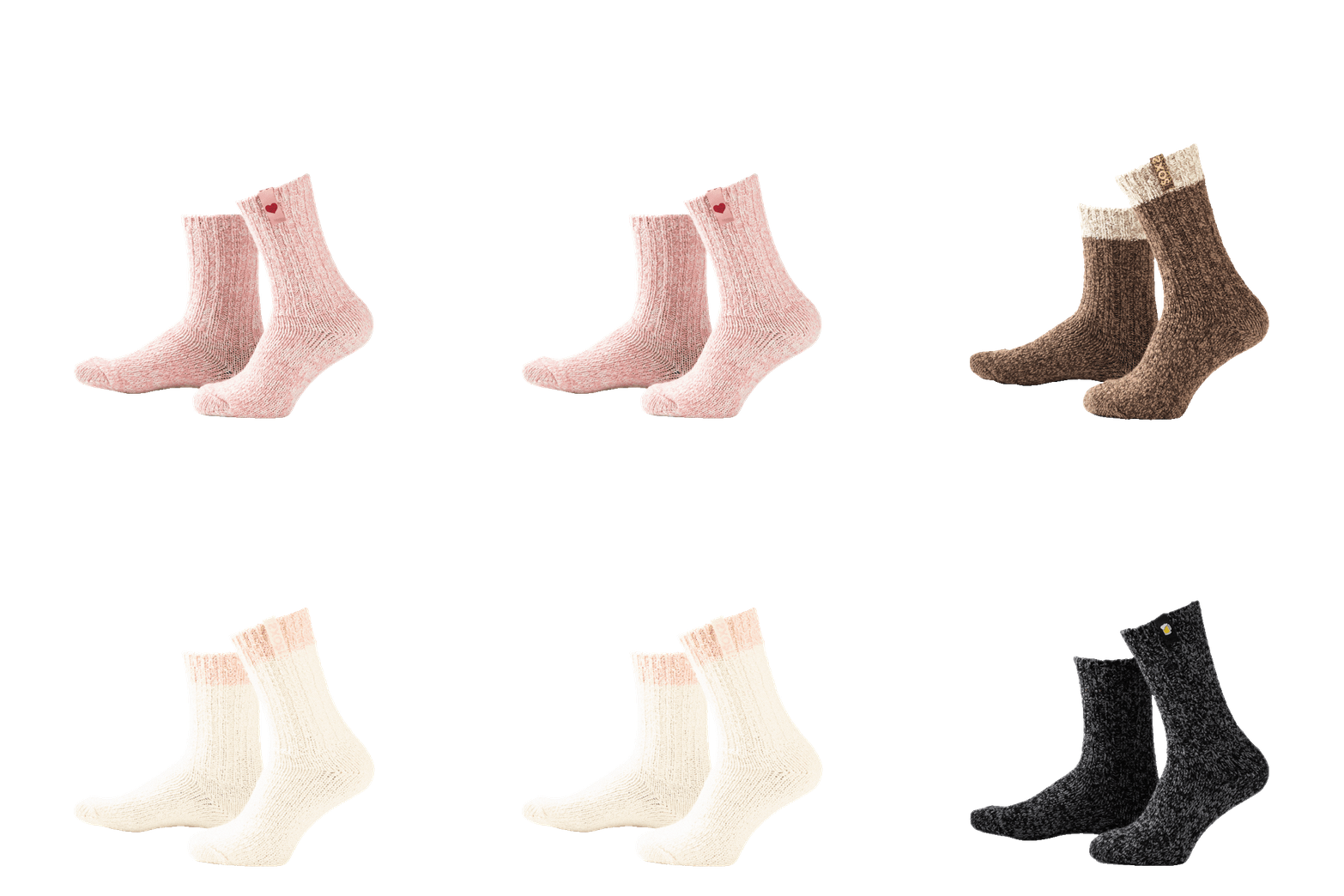
Soft warm premium wool socks
Gift ready, stylishly packaged
Orders placed before 1:00 PM will be shipped today (on weekdays) PLEASE NOTE: The delivery time of Pimp My Soxs is 5 working days!

When comfort meets healing, you face a delicate balance. Dealing with open wounds on your feet whilst wanting to wear wool socks requires careful consideration of both wound care and material choice. Many people wonder whether wearing socks with cuts or injuries might hinder healing or cause complications. The good news? With proper wound care practices and the right approach to sock selection, you can maintain foot comfort whilst supporting your body’s natural healing process. Quality natural fibres, particularly breathable wool, can actually complement wound care when used correctly.
Before you even think about slipping on any sock, proper wound preparation becomes your priority. Clean the wound gently with lukewarm water and mild soap, removing any debris or dried blood. Pat the area dry with a clean towel, avoiding rubbing motions that might irritate the tissue.
Apply an appropriate dressing based on your wound type. For minor cuts, a sterile adhesive bandage often suffices. Deeper wounds might require gauze pads secured with medical tape. The dressing should completely cover the wound with a small border around the edges. This barrier prevents sock fibres from adhering to the wound and protects against bacteria.
Allow the dressing to settle for a few minutes before putting on your socks. This prevents the bandage from shifting when you pull the sock over your foot. Remember, the dressing acts as your first line of defence, so don’t skimp on this step.
Natural wool fibres offer superior breathability compared to synthetic alternatives when dealing with foot wound protection. Wool’s unique structure allows air to circulate around your feet, preventing the moisture buildup that can create breeding grounds for bacteria. This natural ventilation helps maintain a healthier environment around your wound dressing.
Synthetic materials like polyester or acrylic tend to trap heat and moisture against your skin. This creates a humid environment that can soften wound edges and delay healing. Wool’s moisture-wicking properties draw perspiration away from your skin, keeping the area around your wound drier.
Quality wool also provides natural antimicrobial properties. The lanolin present in wool helps repel bacteria and other microorganisms that might compromise wound healing. This makes wool socks healing-friendly compared to other materials that might harbour harmful bacteria.
When wearing socks with open wounds, your usual sock-changing routine needs adjustment. Change your socks at least twice daily, or immediately if they become damp from perspiration or any wound drainage. Fresh socks reduce bacterial load and prevent odours that might indicate infection.
Watch for signs that demand immediate sock changes: visible moisture, unusual odours, or any breakthrough of wound drainage. Even if your socks appear clean, the invisible accumulation of bacteria and dead skin cells creates an unhygienic environment around healing tissue.
Keep several pairs of clean wool socks readily available. This ensures you’re never tempted to wear slightly soiled socks because you haven’t done laundry. Consider having a dedicated set of socks for wound care periods, separate from your regular rotation.
Your daily sock routine should include careful wound monitoring. Remove socks gently and inspect the wound area for changes in appearance, size, or drainage. Healthy healing wounds typically show gradual improvement with minimal clear or slightly bloody discharge.
Watch for warning signs that require immediate attention: increased redness spreading beyond the wound edges, unusual warmth around the area, green or yellow discharge with foul odour, or red streaking extending from the wound. These symptoms might indicate infection requiring medical intervention.
Document changes with photos if possible. This helps you track healing progress and provides valuable information for healthcare providers if complications arise. Trust your instincts and if something feels wrong, seek medical advice promptly.
Proper circulation plays a vital role in wound healing, making sock fit particularly important. Comfortable socks for injuries should feel snug without creating pressure points or constricting blood flow. Tight socks can reduce oxygen delivery to healing tissues and slow recovery.
Choose socks with gentle elastic that doesn’t leave deep impressions on your skin. The sock should stay in place without sliding down, but you shouldn’t feel any pinching or binding around your ankle or leg. Quality wool’s natural elasticity provides support without excessive compression.
Pay attention to seam placement around wound areas. Thick seams directly over wounds can create pressure points and irritation. Look for socks with flat seams or position the sock so seams sit away from sensitive areas.
Breakthrough bleeding requires immediate attention but shouldn’t cause panic. Remove the sock carefully, avoiding any pulling if fabric has adhered to the wound area. If the sock sticks, moisten it gently with clean water to ease removal without disturbing healing tissue.
Assess the bleeding source. Minor breakthrough bleeding from healing wounds often stops quickly with gentle pressure. Apply clean gauze directly over the wound and maintain steady pressure for several minutes. Avoid lifting the gauze repeatedly to check progress, as this disrupts clot formation.
Replace wound dressings completely after bleeding episodes. Clean the area gently and apply fresh bandages before putting on a new sock. If bleeding continues despite pressure, or if you notice signs of wound reopening, contact your healthcare provider for guidance.
Sometimes the best choice for wound healing involves going sockless. Large, heavily draining wounds often heal better with maximum air exposure and minimal fabric contact. Fresh surgical sites or wounds showing signs of infection might require periods without sock coverage.
Consider alternative foot protection during sockless periods. Open-toed shoes or sandals protect your feet whilst allowing wound access for monitoring and care. House slippers with breathable materials provide indoor protection without sock compression.
Follow your healthcare provider’s specific recommendations about sock wearing. Some wound types or treatments require periods of air exposure, whilst others benefit from consistent protection. When in doubt, prioritise medical advice over comfort preferences.
Combining proper wound care with quality natural materials creates an environment that supports your body’s healing processes. The key lies in balancing protection with breathability, cleanliness with comfort, and vigilance with patience.
Remember that healing takes time, and your approach to sock wearing during this period directly impacts your recovery. Quality wool socks, when used correctly alongside proper wound care, can provide the comfort and protection you need whilst your body does its remarkable work of repair.
At SOXS, we understand how important comfort becomes during recovery periods. Our wool socks, made from high-quality New Zealand sheep’s wool, offer the breathability and natural antimicrobial properties that complement careful wound care. The unique elasticity of our wool ensures gentle support without compromising circulation, helping you maintain comfort throughout your healing journey.