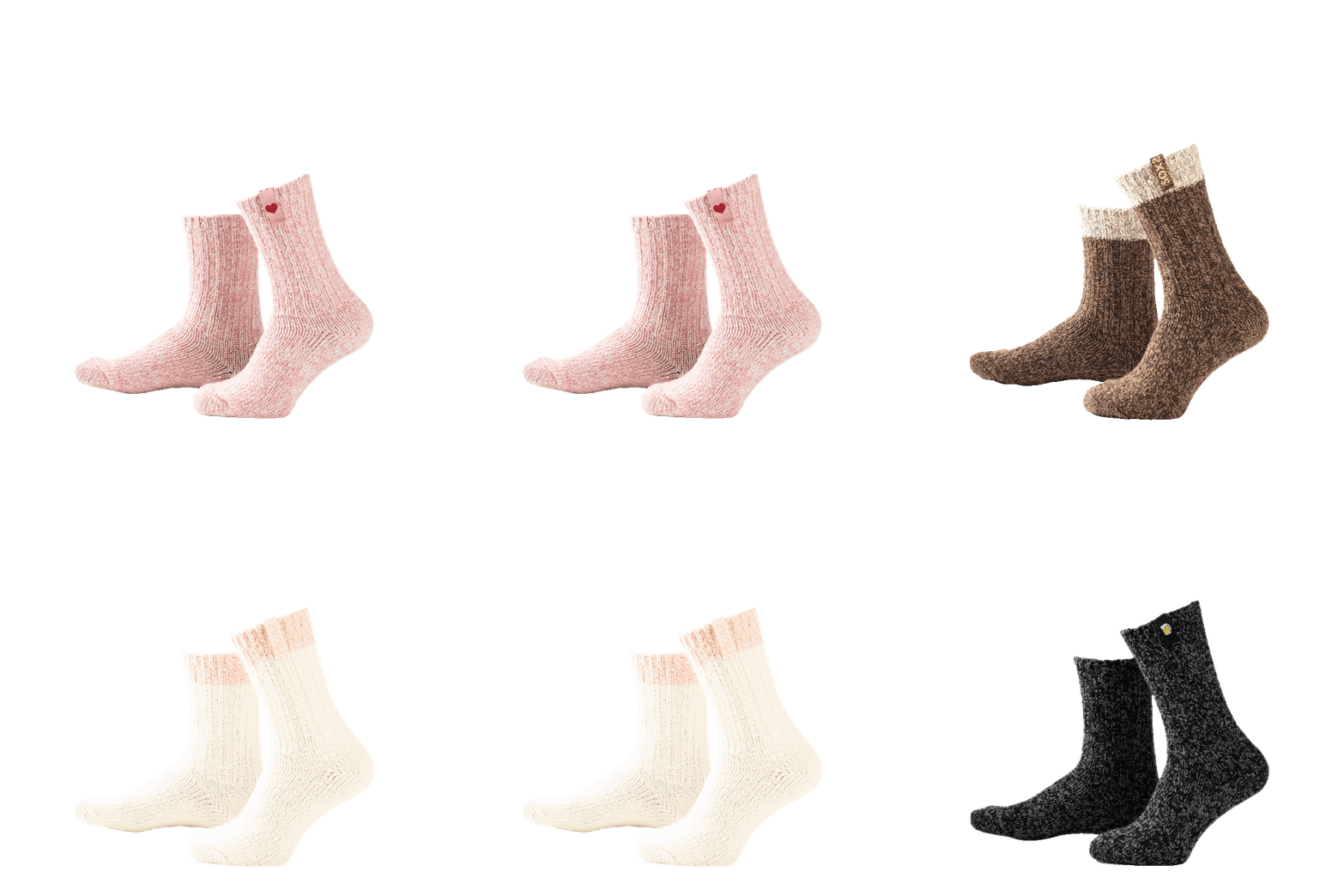
Soft warm premium wool socks
Gift ready, stylishly packaged
Orders placed before 1:00 PM will be shipped today (on weekdays) PLEASE NOTE: The delivery time of Pimp My Soxs is 5 working days!

Ever wondered why some wool socks leave you scratching all day while others feel like a gentle hug for your feet? You’re not alone in this mystery. The truth is, not all wool is created equal, and the difference between itchy, irritating wool and luxuriously soft, allergy-free wool socks comes down to several key factors that most people never learn about.
If you’ve been avoiding wool entirely because of past bad experiences, you might be missing out on one of nature’s most remarkable fibres. The secret lies in understanding what makes certain wool products naturally hypoallergenic while others trigger sensitivity reactions. From fibre diameter to processing methods, these seven factors will transform how you think about wool comfort forever.
The thickness of wool fibres, measured in microns, directly determines whether you’ll experience that dreaded scratchy feeling or blissful comfort. Standard wool fibres typically measure 25 to 30 microns in diameter, which is thick enough to trigger nerve endings in sensitive skin and cause irritation.
Premium merino wool, however, measures just 18 to 24 microns in diameter. These ultra-fine fibres are so thin they bend easily against your skin rather than poking and irritating it. Think of it as the difference between being brushed with a coarse paintbrush versus silk threads.
This explains why some people believe they have merino wool allergies to certain products but find others perfectly comfortable. The finer the fibre, the less likely it is to cause mechanical irritation that many mistake for allergic reactions. When shopping for non-itchy wool socks, always look for merino wool with micron counts below 22 for the softest experience.
Raw wool contains lanolin, dirt, plant matter, and other natural substances that commonly trigger allergic reactions. However, proper processing methods can eliminate virtually all these potential irritants, transforming scratchy raw wool into silky-smooth comfort.
Industrial processing often uses harsh chemicals and high temperatures that can damage wool fibres and leave chemical residues. In contrast, careful treatment methods involve gentle washing with specialised detergents that remove lanolin and contaminants without compromising the wool’s natural structure.
The difference is remarkable. Properly processed wool retains its natural softness and breathability while eliminating the substances that cause wool sock irritation. This thorough cleaning process is why some wool products feel completely different from others, even when made from similar raw materials.
New Zealand’s unique environmental conditions create some of the world’s cleanest, softest wool with fewer allergens and irritants. The country’s temperate climate, clean air, and pristine pastures mean sheep produce naturally cleaner fleeces with less contamination from pollutants or harsh environmental factors.
Additionally, New Zealand’s sheep breeding programmes focus on producing fine, soft wool varieties. Generations of selective breeding have resulted in sheep that naturally produce finer fibres with superior comfort properties. The combination of genetics and environment creates wool that’s inherently more suitable for sensitive skin wool products.
The isolation of New Zealand also means fewer industrial pollutants and agricultural chemicals contaminate the wool supply chain. This natural purity reduces the likelihood of chemical sensitivities and allergic reactions, making New Zealand wool a premium choice for those seeking truly hypoallergenic options.
Avoiding harsh chemicals during wool processing isn’t just better for the environment and it’s crucial for preventing chemical sensitivities that many people mistake for wool allergies. Chemical-free treatment methods preserve wool’s natural antibacterial and moisture-wicking properties while eliminating potential irritants.
Traditional chemical processing can leave residues of bleaches, dyes, and synthetic treatments that trigger skin reactions. These chemicals can also damage the wool’s natural structure, making it rougher and more irritating. Natural processing methods use biodegradable detergents and avoid chlorine bleaching, preserving the wool’s inherent softness.
When wool retains its natural properties, it actively works to keep your feet comfortable. Natural wool fibres resist odour-causing bacteria and wick moisture away from the skin, creating an environment that’s less likely to cause irritation or allergic reactions.
High-quality wool’s exceptional breathability is a game-changer for preventing the moisture and bacterial growth that often cause skin irritation. Unlike synthetic materials that trap moisture against your skin, premium wool can absorb up to 30% of its weight in moisture while still feeling dry to the touch.
This remarkable moisture management prevents the damp, warm environment where bacteria and fungi thrive. When your feet stay dry and well ventilated, you’re far less likely to experience the irritation, odours, and skin problems that many associate with certain sock materials.
Breathable wool socks also regulate temperature naturally, preventing the overheating that can exacerbate skin sensitivities. The wool’s structure creates tiny air pockets that insulate when it’s cold but allow heat to escape when it’s warm, maintaining optimal comfort conditions for sensitive skin.
Ethical and sustainable farming practices result in significantly cleaner wool with fewer contaminants, pesticides, and chemicals that can trigger allergic responses. Sustainable farms typically avoid harsh pesticides and chemicals that can remain in the wool even after processing.
Sheep raised on clean, well-managed pastures produce wool with fewer environmental contaminants. These farms often implement rotational grazing and natural pest management, reducing the chemical load in the final wool product. The result is cleaner raw materials that require less aggressive processing.
Sustainable wool socks also often come from farms that prioritise animal welfare, including proper nutrition and healthcare for sheep. Healthier sheep produce higher-quality wool with better natural properties, including softer fibres and fewer irregularities that can cause irritation.
Rigorous quality control measures during manufacturing are the final barrier against potential allergens and irritants. Premium wool sock manufacturers implement multiple inspection stages to remove foreign materials, inconsistent fibres, and any contaminants that could cause reactions.
This includes sorting fibres by quality, removing any coarse or damaged wool, and ensuring consistent fibre diameter throughout the product. Quality control also involves testing for chemical residues and ensuring that processing standards meet strict purity requirements.
The manufacturing environment itself matters enormously. Clean, controlled production facilities prevent cross-contamination from other materials or chemicals. This attention to detail ensures that the final product maintains the purity and softness that make wool truly comfortable for sensitive skin.
SOXS provides the ultimate solution for those seeking truly comfortable, hypoallergenic wool socks by combining all seven quality factors into one exceptional product. Our carefully crafted merino wool socks deliver the comfort and benefits that quality wool should provide:
Experience the difference that truly premium wool makes for your comfort and foot health. Discover our hypoallergenic wool sock collection and feel the luxury of wool as it should be.
Understanding these seven factors reveals why your wool experiences have varied so dramatically. It’s not that you’re allergic to wool itself and you’ve likely encountered wool that wasn’t processed or sourced with comfort as the priority. The difference between scratchy, irritating wool and luxuriously soft comfort lies entirely in these quality factors.
When all these elements come together with fine fibre diameter, careful processing, clean sourcing, chemical-free treatment, natural breathability, sustainable practices, and rigorous quality control and the result is wool that feels completely different from what you might have experienced before. Premium wool socks can actually improve foot health by maintaining optimal temperature and moisture levels while providing natural antibacterial protection.
At SOXS, we’ve experienced firsthand how these quality factors transform wool from potentially irritating to genuinely comforting. Our commitment to fine merino wool, careful processing, and sustainable sourcing ensures that even those with sensitive skin can enjoy wool’s remarkable natural benefits. If you’re ready to discover the difference that truly premium wool can make, explore our carefully curated collection in our shop. Have you considered that your past wool experiences might not reflect what truly high-quality wool can offer?
Look for specific micron counts (18-22 microns or less), certifications for chemical-free processing, and clear information about the wool’s origin. Reputable brands will specify their merino wool grade and processing methods. Avoid products that don’t provide fibre diameter information or use vague terms like ‘soft wool’ without specifics.
Start with a single pair of premium merino wool socks from a reputable brand that guarantees fine fibre diameter (under 22 microns) and chemical-free processing. Wear them for short periods initially and gradually increase wearing time. Many people discover their ‘wool allergy’ was actually a reaction to poor-quality wool or processing chemicals.
Wash wool socks in cool water with wool-specific or gentle, chemical-free detergents to preserve the natural fibre structure. Avoid fabric softeners and bleach, which can leave residues that cause irritation. Air dry when possible, as high heat can damage fibres and make them rougher against sensitive skin.
Yes, premium merino wool with fine fibre diameter is often excellent for children’s sensitive skin due to its natural temperature regulation and moisture-wicking properties. However, always test with short wearing periods first and ensure the wool is processed without harsh chemicals. Many parents find quality wool socks actually reduce their children’s foot irritation compared to synthetic alternatives.
Premium hypoallergenic wool socks typically cost 2-3 times more than standard wool socks due to finer fibres, careful processing, and quality control measures. However, they often last longer and provide better comfort, making them cost-effective long-term. Consider it an investment in foot health and comfort rather than just a sock purchase.
True wool sensitivity typically causes itching, redness, or irritation specifically where wool contacts skin. If reactions occur with synthetic socks too, the issue may be moisture buildup, detergent residues, or fungal problems. Try switching to chemical-free detergents and premium wool socks separately to isolate the cause.
High-quality wool naturally resists odour-causing bacteria and can absorb up to 30% of its weight in moisture while feeling dry. This makes premium wool socks excellent for people with sweaty feet or odour issues. The natural antibacterial properties and breathability often solve moisture problems that synthetic socks can’t address.