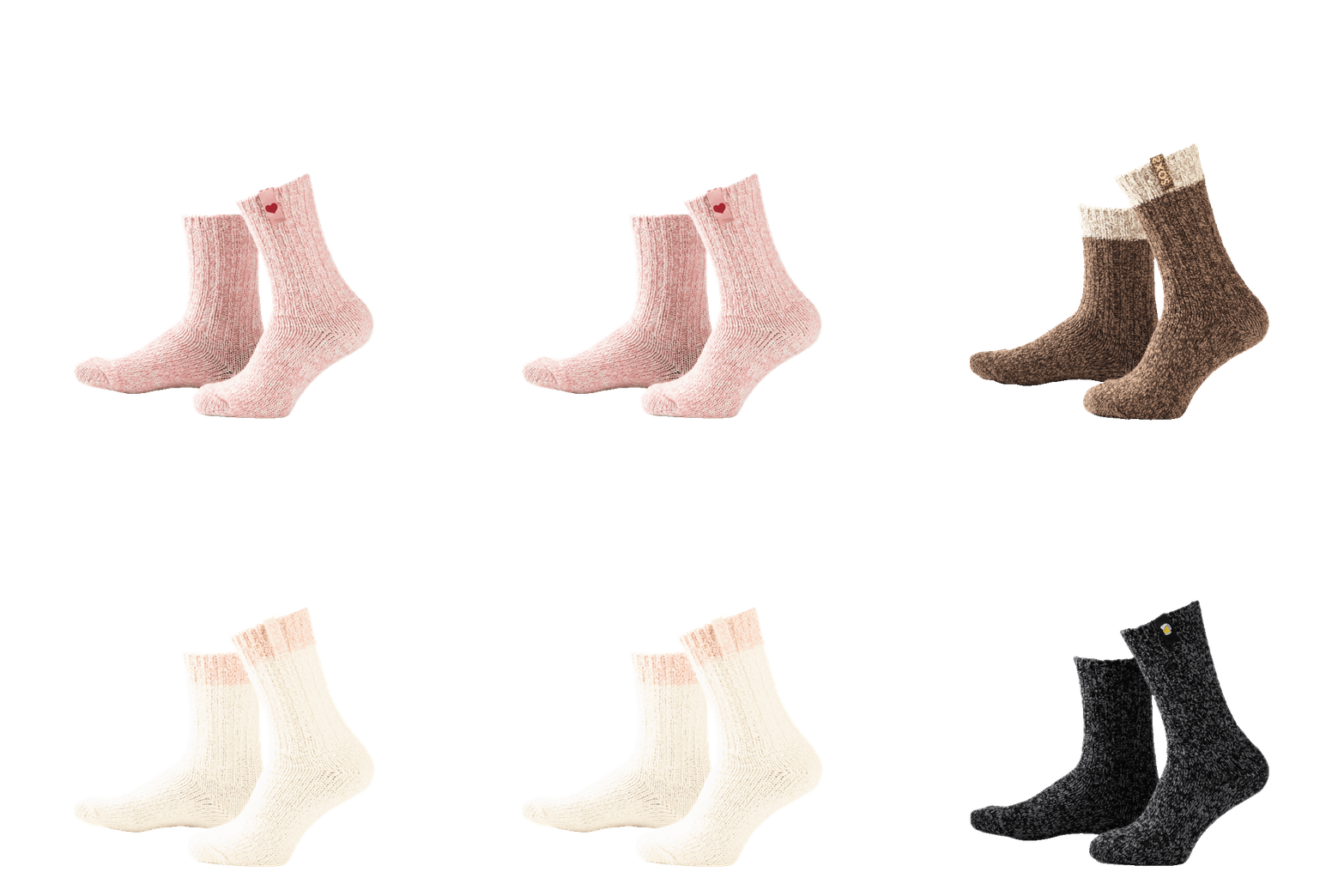
Soft warm premium wool socks
Gift ready, stylishly packaged
Orders placed before 1:00 PM will be shipped today (on weekdays) PLEASE NOTE: The delivery time of Pimp My Soxs is 5 working days!

Living with lymphedema can feel overwhelming, but the right socks can make a remarkable difference in your daily comfort and treatment success. While lymphedema management involves multiple approaches, proper sock selection plays a surprisingly important role in supporting your lymphatic system and maintaining healthy circulation.
When lymphatic fluid builds up in your tissues, every choice you make about what touches your skin matters. The wrong socks can restrict flow, trap moisture, and create pressure points that worsen swelling. However, the right pair becomes a gentle ally in your treatment journey, working alongside your other therapies to help manage symptoms and improve your quality of life.
Lymphedema occurs when your lymphatic system struggles to drain fluid properly, leading to swelling, typically in your arms or legs. This condition affects millions of people worldwide, whether from cancer treatment, surgery, infection, or genetic factors. Your lymphatic system works like a drainage network, moving excess fluid and waste products away from your tissues and back into your bloodstream.
When this system becomes compromised, fluid accumulates in the spaces between your cells, causing the characteristic swelling of lymphedema. The condition often progresses through stages, from mild swelling that comes and goes to more persistent, firm swelling that can significantly impact mobility and comfort.
This is where proper sock selection becomes important. Your feet and lower legs are particularly vulnerable to lymphatic fluid buildup due to the effects of gravity. Specialized socks designed for lymphedema support can help encourage proper drainage while protecting your skin from complications that could worsen your condition. The right footwear choices complement your comprehensive lymphedema care plan, which typically includes manual lymphatic drainage, exercise, and skincare routines.
Graduated compression socks work by applying the strongest pressure at your ankle and gradually decreasing pressure as they move up your leg. This pressure gradient mimics your body’s natural pumping action, encouraging lymphatic fluid to flow back toward your heart rather than pooling in your lower extremities.
The science behind this approach is straightforward yet effective. When external pressure is applied to your tissues, it helps squeeze lymphatic vessels, promoting the movement of fluid through your lymphatic system. Compression therapy for lymphedema typically requires consistent, measured pressure that supports your vessels without cutting off circulation entirely.
Medical-grade compression socks designed for lymphatic drainage provide this targeted support throughout the day. Unlike regular socks that may bunch up or lose their shape, these specialized garments maintain consistent pressure levels. They work particularly well when combined with movement and elevation, as the compression helps your muscle contractions more effectively pump fluid through your lymphatic channels.
The key is finding compression socks specifically designed for lymphatic conditions, as they offer the precise pressure gradients needed for effective lymphatic drainage support.
People with lymphedema face an increased risk of skin infections and complications because excess lymphatic fluid creates an environment where bacteria can thrive. Traditional cotton socks absorb moisture but don’t move it away from your skin effectively, potentially creating problems for those managing lymphatic conditions.
Moisture-wicking sock materials actively pull perspiration away from your skin and transport it to the outer surface of the fabric, where it can evaporate. This process keeps your skin drier and less susceptible to bacterial or fungal growth. Materials like synthetic blends and specially treated fibers excel at this moisture management.
Dry skin is healthier skin, especially when you’re managing lymphedema. Excess moisture can lead to skin breakdown, which opens the door to infections that can be particularly serious for people with compromised lymphatic systems. Cellulitis, a bacterial skin infection, poses a significant risk and can worsen lymphedema symptoms considerably.
Quality moisture-wicking socks also help regulate temperature around your feet and lower legs. This temperature control reduces the likelihood of excessive sweating while maintaining comfort throughout the day, supporting your overall lymphatic health routine.
Traditional sock seams can create pressure points that interfere with lymphatic flow and cause discomfort for people with sensitive, swollen tissues. These raised areas press against your skin unevenly, potentially restricting circulation in small but significant ways that can impact your overall comfort and treatment effectiveness.
Seamless sock construction eliminates these problematic pressure points by using knitting techniques that create smooth, continuous fabric without raised seam lines. This design approach is particularly beneficial for lymphedema management because swollen tissues are often more sensitive to pressure variations.
The smooth interior surface of seamless socks distributes pressure more evenly across your foot and lower leg. This even distribution supports better lymphatic flow while reducing the risk of irritation or skin breakdown. People with lymphedema often notice improved comfort when switching to seamless designs, especially during longer periods of wear.
Additionally, seamless construction typically means fewer friction points that could lead to blisters or hot spots. Since maintaining healthy, intact skin is important for lymphedema management, these design features provide practical benefits that support your overall treatment goals.
Compression levels for lymphedema socks are measured in millimeters of mercury (mmHg), similar to blood pressure readings. The appropriate level depends on your specific condition severity, medical recommendations, and personal comfort needs. Understanding these levels helps you make informed choices about your lymphatic support.
Mild compression (15–20 mmHg) suits people with early-stage lymphedema or those seeking preventive support. This level provides gentle encouragement for lymphatic flow without feeling restrictive. Many people find this range comfortable for all-day wear while still receiving therapeutic benefits.
Moderate compression (20–30 mmHg) addresses more established lymphedema symptoms and provides stronger support for lymphatic drainage. This level requires proper fitting and may take some adjustment time, but offers more significant therapeutic benefits for those with persistent swelling.
Higher compression levels (30+ mmHg) are typically reserved for severe lymphedema and should only be used under medical supervision. Your healthcare provider can help determine the most appropriate compression level based on your specific situation, treatment goals, and tolerance.
Remember that the most effective compression level is the one you’ll actually wear consistently, so comfort and tolerance matter as much as therapeutic potential.
Ironically, socks intended to help lymphatic flow can actually hinder it if they don’t fit properly. Socks that are too tight can act like tourniquets, restricting circulation and potentially worsening swelling above the restriction point. Conversely, socks that are too loose won’t provide the therapeutic benefits you need.
Proper sock sizing for lymphedema support requires measuring your legs at specific times and locations to account for swelling variations. Morning measurements often provide the most accurate baseline, since swelling typically increases throughout the day. Key measurements include ankle circumference, calf circumference, and leg length.
Professional fitting services can help ensure you get the right size, especially for medical-grade compression socks. Many people discover they need different sizes than they typically wear in regular socks, as compression garments use different sizing standards and fit requirements.
Pay attention to how your socks feel throughout the day. Properly fitting lymphedema support socks should feel snug but not painful, provide consistent pressure without creating bulges above or below the sock line, and allow normal movement without bunching or sliding. If you experience increased pain, numbness, or color changes in your toes, the fit may need adjustment.
Regular sock changes play an underestimated role in lymphedema management by maintaining the hygiene and effectiveness of your therapeutic routine. Fresh, clean socks provide optimal compression, moisture management, and skin protection that diminishes as socks accumulate moisture, oils, and bacteria throughout the day.
Daily sock changes prevent bacterial buildup that could lead to skin infections, a serious concern for people with lymphedema. The compromised lymphatic system makes it harder for your body to fight off infections, making prevention through good hygiene practices particularly important.
Clean socks also maintain their compression effectiveness better than socks that have stretched or become saturated with moisture. The elastic fibers in compression socks work most effectively when they’re clean and dry, providing the consistent pressure needed for lymphatic drainage support.
Consider having multiple pairs of lymphedema support socks so you can rotate them while others are being washed. This approach ensures you always have clean, effective socks available while extending the life of your therapeutic garments through proper care and rotation.
Proper washing and drying techniques also matter. Follow manufacturer instructions for cleaning your lymphedema socks to maintain their therapeutic properties and structural integrity over time.
Selecting the right socks represents just one piece of your comprehensive lymphedema management plan, but it’s a piece that affects your comfort and treatment success every single day. The combination of graduated compression, moisture-wicking materials, seamless construction, appropriate compression levels, proper fit, and good hygiene practices creates a foundation of support for your lymphatic system.
These sock features work together synergistically. Graduated compression encourages lymphatic flow, while moisture-wicking materials protect your skin health. Seamless construction prevents pressure points that could interfere with circulation, while proper fit ensures you receive therapeutic benefits without restriction.
Remember that lymphedema management is highly individual. What works perfectly for one person may need adjustment for another. Working with your healthcare provider helps ensure your sock choices align with your overall treatment plan and specific needs. They can provide guidance on compression levels, fitting requirements, and how sock therapy integrates with your other treatments.
SOXS supports your lymphedema journey by providing thoughtfully designed comfort socks that incorporate key therapeutic features essential for lymphatic health. Our specialized collection addresses the critical needs of lymphedema management through:
While we recommend consulting your healthcare provider for specific compression requirements, SOXS offers the foundational comfort and quality features that complement your comprehensive lymphedema treatment plan. Ready to experience the difference that premium lymphedema support socks can make in your daily comfort? Explore our specialized collection today and take the next step toward better lymphatic health management.
You should notice reduced swelling by the end of the day compared to not wearing them, improved comfort during daily activities, and no increase in pain or discoloration in your toes. If swelling worsens above the sock line or you experience numbness, the compression may be too tight and you should consult your healthcare provider for a fitting adjustment.
Generally, compression socks should be removed at night unless specifically prescribed by your doctor for nighttime wear. Your legs benefit from elevation and unrestricted circulation during sleep. However, some people with severe lymphedema may need nighttime compression garments – always follow your healthcare provider’s specific recommendations.
Rolling or bunching typically indicates an improper fit – either too large or the wrong compression gradient for your leg shape. This can actually restrict circulation and worsen symptoms. Consider professional re-fitting, try a different brand or style, or explore socks with silicone grip bands that help maintain proper positioning throughout the day.
Medical-grade compression socks typically maintain their effectiveness for 3-6 months with daily wear and proper care. Replace them sooner if you notice decreased compression, visible stretching, holes, or if your leg measurements change significantly. Having 2-3 pairs allows for proper rotation and washing while ensuring you always have effective compression available.
Yes, exercise while wearing properly fitted compression socks can actually enhance lymphatic drainage through increased muscle pump action. Low-impact activities like walking, swimming, or gentle yoga work well. However, monitor your comfort level and remove the socks if you experience pain, excessive tightness, or circulation issues during activity.
Diabetic socks focus on seamless construction, moisture-wicking, and loose fit to prevent pressure points and circulation restriction. Lymphedema socks provide graduated compression to actively promote fluid drainage. While both prioritize foot health, lymphedema socks apply therapeutic pressure, whereas diabetic socks avoid pressure. Some people may need features from both types.
Compression socks are actually highly recommended for long-distance travel, as prolonged sitting can worsen lymphatic pooling. Ensure proper fit before travel, get up and move regularly, stay hydrated, and consider slightly higher compression for flights. Pack extra pairs in case of delays, and inform airline staff about your medical condition if you need aisle access for movement.