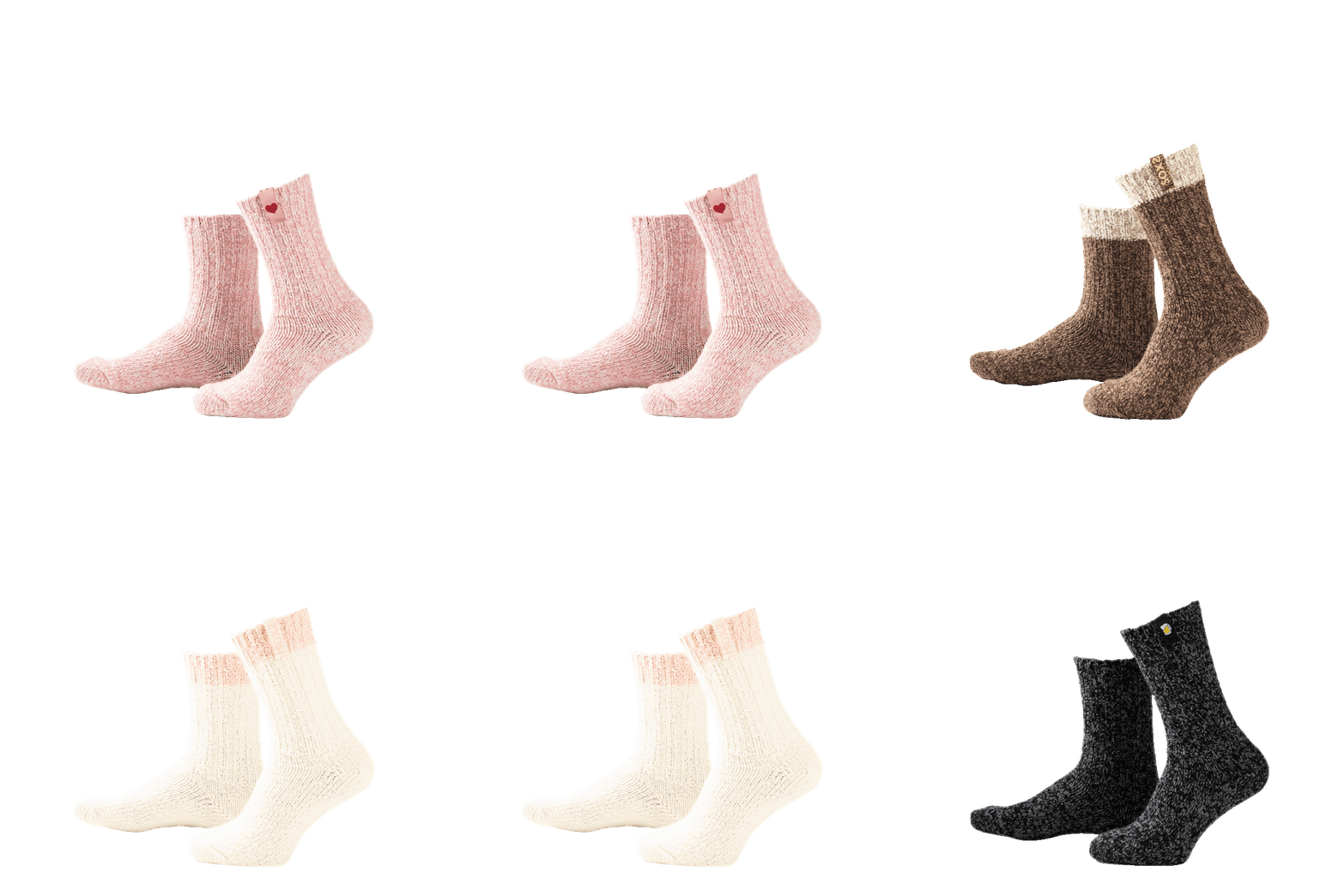
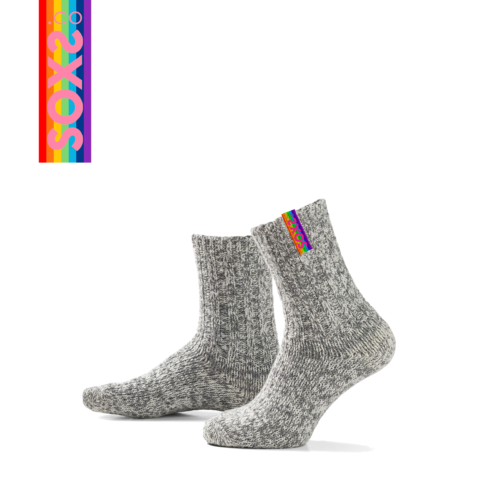
Soft warm premium wool socks
Gift ready, stylishly packaged
Orders placed before 1:00 PM will be shipped today (on weekdays) PLEASE NOTE: The delivery time of Pimp My Soxs is 5 working days!


Do your feet constantly feel like ice blocks, even when you’re indoors wearing shoes? If you’ve tried everything from thick socks to heating pads with little success, the problem might not be the cold weather—it could be your circulation. When blood doesn’t flow efficiently to your extremities, your feet become the first casualty, leaving you uncomfortable and searching for relief.
The good news is that the right socks can make a significant difference in managing cold feet caused by poor circulation. From compression technology that gently encourages blood flow to advanced materials that trap warmth without causing overheating, there are specific sock types designed to address circulation issues. Let’s explore the options that can help transform your chilly toes into comfortable, warm feet.
Poor circulation affects your feet because they’re the furthest point from your heart, making them the last stop in your body’s blood delivery system. When circulation slows down, less warm blood reaches your toes and the surrounding tissue, causing that familiar cold, sometimes numb sensation.
Several conditions can contribute to circulation problems. Diabetes can damage blood vessels over time, reducing blood flow to the extremities. Peripheral artery disease narrows the arteries, limiting blood supply to your legs and feet. Even conditions like Raynaud’s disease cause blood vessels to constrict dramatically in response to cold or stress.
You may suspect circulation issues are causing your cold feet if they feel cold even in warm environments, if the coldness comes with tingling or numbness, or if your feet take an unusually long time to warm up. Unlike environmentally caused cold feet that warm quickly when you move to a warmer space, circulation-related cold feet persist and may even feel worse at certain times of day.
Compression socks work by applying graduated pressure to your legs and feet, with the strongest compression at the ankle that gradually decreases up the leg. This gentle squeezing action helps push blood back toward your heart, improving overall circulation and reducing the pooling that can leave your feet feeling cold.
These socks come in different compression levels, measured in millimetres of mercury (mmHg). Light compression (8–15 mmHg) works well for mild circulation issues and general comfort, while moderate compression (15–20 mmHg) provides more significant support for people with diagnosed circulation problems. Medical-grade compression (20–30 mmHg and higher) requires a doctor’s recommendation.
The benefits extend beyond just warmth. Compression socks can reduce swelling, prevent blood from pooling in your feet, and help alleviate the heavy, tired feeling that often accompanies poor circulation. Many people notice their feet feel warmer and more comfortable within hours of wearing properly fitted compression socks.
Merino wool stands out as nature’s most sophisticated temperature-regulating fibre. Unlike synthetic materials that can trap moisture and create a clammy environment, merino wool can absorb up to 30% of its weight in moisture while still feeling dry against your skin. This moisture-wicking ability helps prevent the cold-sweat cycle that can make circulation problems worse.
The crimped structure of merino wool fibres creates tiny air pockets that provide excellent insulation, keeping your feet warm even when the wool becomes slightly damp. This natural breathability means your feet won’t overheat, which is important because overheating can actually cause blood vessels to dilate and then constrict, worsening circulation issues.
Merino wool also naturally resists odours and regulates temperature automatically, cooling when you’re warm and insulating when you’re cold. For people with circulation issues, this consistent temperature regulation helps maintain steady blood flow without the dramatic temperature changes that can trigger circulation problems.
Modern thermal socks go far beyond basic thick wool, incorporating advanced insulation materials like Thinsulate, synthetic microfibre blends, or layered construction systems. These high-tech materials trap warm air more efficiently than traditional fibres while maintaining breathability for all-day comfort.
The key to thermal sock technology lies in creating dead air space, the still air trapped between fibres that provides insulation. Advanced thermal socks use hollow-core fibres, brushed inner linings, or multi-layer construction to maximise this insulating effect without creating bulk that makes shoes uncomfortable.
Many thermal socks also feature moisture management systems that move sweat away from your skin while retaining the warm air layer closest to your feet. This combination of insulation and moisture control helps maintain the consistent warmth that people with circulation issues need to keep blood flowing properly to their extremities.
Diabetic socks address the specific challenges that diabetes creates for foot health and circulation. They feature seamless toe construction to prevent pressure points that could restrict blood flow or cause injury to feet with reduced sensation. The smooth interior eliminates friction points that could develop into serious complications.
These socks typically have non-binding tops that don’t constrict the leg or ankle, allowing blood to flow freely. The elastic is designed to hold the sock in place without creating the tight band around your calf that regular socks often produce. This loose-fitting top is particularly important for people whose circulation is already compromised.
Extra cushioning in diabetic socks provides protection while encouraging gentle blood flow through the feet. The padding is strategically placed to support areas that bear weight while avoiding compression that could impede circulation. Many diabetic socks also feature antimicrobial treatments and superior moisture management to help prevent the foot problems that can worsen circulation issues.
Battery-powered heated socks represent the most direct approach to warming cold feet caused by severe circulation problems. These socks contain thin, flexible heating elements that warm your feet from the outside while your body works to improve circulation from within. Rechargeable battery packs typically provide 4–8 hours of warmth on a single charge.
Most heated socks offer multiple temperature settings, allowing you to find the right level of warmth without overheating. The heating elements are usually concentrated around the toe area and forefoot, where circulation problems typically cause the most discomfort. Some models extend heating coverage to the entire foot for comprehensive warmth.
These socks become particularly valuable for people with conditions like severe Raynaud’s disease, where circulation can shut down dramatically in response to cold. They’re also helpful for anyone whose circulation issues don’t respond adequately to other sock types, providing reliable warmth regardless of how well blood is flowing to the feet.
Athletic socks designed for circulation support combine strategic cushioning with compression zones and arch support to encourage blood flow during daily activities. The targeted cushioning provides comfort while the compression elements gently stimulate circulation as you move throughout your day.
These socks often feature graduated compression in the arch and ankle areas, combined with extra padding in the heel and forefoot. This design supports your foot’s natural movement while providing the gentle pressure that helps blood flow back toward your heart. The cushioning also encourages you to stay active, which is one of the best ways to improve circulation naturally.
Many circulation-focused athletic socks include moisture-wicking synthetic blends or merino wool components to keep feet dry and comfortable during extended wear. The combination of support, cushioning, and moisture management makes these socks suitable for people who need circulation help but don’t want to wear obviously medical-looking footwear.
Selecting the best socks for your circulation issues depends on the severity of your condition, your daily activities, and your personal comfort preferences. Start by considering whether you need light support for occasional cold feet or more significant intervention for diagnosed circulation problems.
Material choice matters significantly. Merino wool offers excellent natural temperature regulation and moisture management, making it ideal for most circulation issues. Synthetic blends work well for athletic activities, while specialty materials like those used in diabetic socks provide specific benefits for people with medical conditions.
Consider your lifestyle needs as well. If you’re active, cushioned athletic socks with compression zones might serve you best. For severe circulation problems, heated socks provide reliable warmth when other options aren’t sufficient. Remember that the right sock should feel comfortable from the moment you put it on, if it’s too tight, too loose, or causes any discomfort, it won’t help your circulation.
If you have diabetes, peripheral artery disease, or other serious circulation conditions, consult your healthcare provider before choosing circulation-improving socks. They can recommend the appropriate compression level and help you avoid options that might interfere with your treatment.
SOXS provides comprehensive solutions for circulation-related cold feet through our specialized sock collection designed with your comfort and health in mind. Our approach combines proven circulation-enhancing technologies with premium materials to address the root causes of poor blood flow to your feet. Here’s how SOXS can help:
Whether you’re dealing with mild circulation issues or managing a diagnosed condition, SOXS offers the right solution for your specific needs. Explore our complete circulation sock collection today and take the first step toward warmer, more comfortable feet.
Start with light compression (8-15 mmHg) if you have mild circulation problems or are new to compression socks. If you have diagnosed conditions like diabetes or peripheral artery disease, consult your doctor first—they may recommend moderate compression (15-20 mmHg) or prescribe medical-grade compression. Never jump straight to high compression without professional guidance, as too much pressure can actually worsen circulation in some cases.
Most circulation socks, including compression and merino wool varieties, are designed for all-day wear. However, remove them before bed unless specifically advised otherwise by your healthcare provider. For heated socks, follow the manufacturer’s guidelines and avoid wearing them for more than 8 hours continuously. If you experience any increased numbness, tingling, or discomfort, remove the socks immediately.
The most common mistake is choosing socks that are too tight, thinking more compression equals better results. Overly tight socks can actually restrict blood flow and worsen circulation. Always ensure proper fit—compression socks should feel snug but not painful, and regular socks should never leave deep marks on your legs. Another mistake is ignoring underlying medical conditions that require professional treatment beyond just sock selection.
With compression socks, many people notice warmer feet within a few hours of wearing them. Merino wool and thermal socks provide immediate temperature regulation benefits. However, long-term circulation improvement takes consistent use over weeks or months. If you don’t notice any improvement within a week of proper sock use, or if your symptoms worsen, consult a healthcare provider as you may need medical intervention.
Yes, specialized circulation socks offer targeted benefits that regular warm socks cannot provide. Compression socks actively improve blood flow, while diabetic socks prevent complications that could worsen circulation. The investment pays off in better foot health, reduced discomfort, and potentially avoiding more serious circulation-related problems. However, even mid-range options from reputable brands can be effective—you don’t always need the most expensive option.
Generally, no—layering specialized socks can create too much bulk, restrict blood flow, or interfere with each sock’s intended function. Compression socks need direct contact with your skin to work properly. Instead, look for socks that combine features, such as compression socks made with merino wool or thermal materials. If you need extra warmth, consider heated socks or consult your doctor about adjusting your treatment approach.
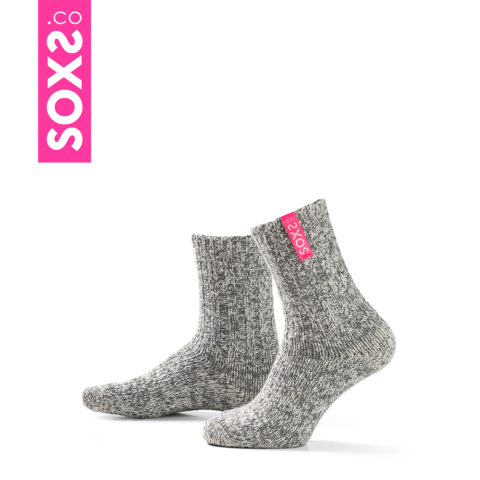
Calf height
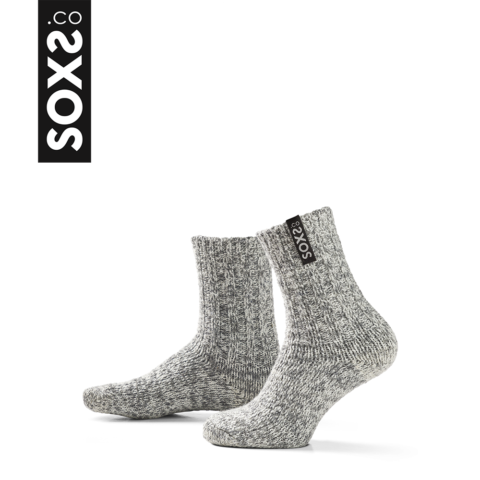
Calf height
Calf height