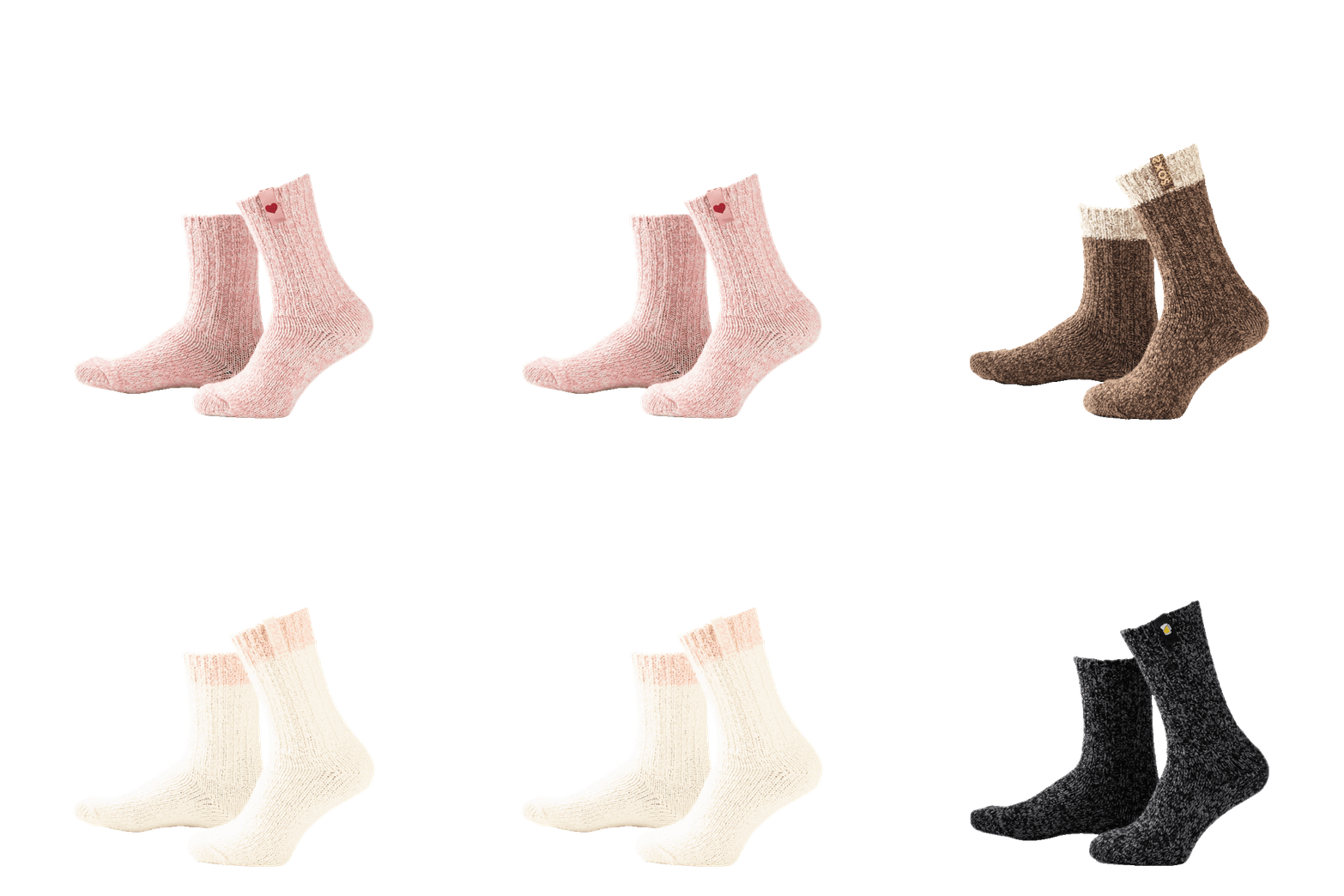
Soft warm premium wool socks
Gift ready, stylishly packaged
Orders placed before 1:00 PM will be shipped today (on weekdays) PLEASE NOTE: The delivery time of Pimp My Soxs is 5 working days!

When you slip on a pair of wool socks, you’re experiencing one of nature’s most sophisticated moisture-management systems. Wool’s unique fiber structure creates an environment in which your feet stay comfortable regardless of your activity level or the weather conditions. This natural performance comes from millions of years of evolution, as sheep developed wool to regulate their body temperature in varying climates.
Understanding how wool manages moisture helps explain why it remains the gold standard for comfortable footwear. From preventing that clammy feeling during long workdays to keeping your feet warm and dry during winter hikes, wool’s moisture-regulation properties make it an exceptional choice for anyone seeking lasting comfort.
Wool regulates moisture through its unique, crimped fiber structure, which traps air while actively moving water vapor away from your skin. The natural crimp in wool fibers creates millions of tiny air pockets that insulate while allowing moisture to travel through the fiber’s core to the outer surface, where it evaporates.
This process happens because wool fibers are hygroscopic, meaning they naturally attract and absorb moisture from the surrounding environment. When you perspire, the wool fibers absorb the moisture into their core structure rather than letting it sit on your skin’s surface. The fiber’s outer layer remains relatively dry while the inner core holds the moisture, creating a gradient that continuously pulls moisture away from your foot.
The crimped structure also creates natural ventilation channels between fibers. As you move, these channels allow air to circulate, helping moisture evaporate more efficiently. This combination of absorption and airflow means wool can manage moisture without feeling wet or clammy against your skin.
Wool outperforms synthetic materials in moisture regulation because it absorbs moisture into the fiber itself, while synthetics only wick moisture along the surface. Synthetic materials move sweat away quickly but cannot absorb it, often leaving you feeling damp when moisture accumulates faster than it can evaporate.
Synthetic moisture-wicking fabrics work through capillary action, spreading moisture across a larger surface area for faster evaporation. While this works well during active periods, it can fail when you stop moving or when humidity is high. The moisture sits on the fabric’s surface, creating that sticky, uncomfortable feeling you might experience after a workout.
Wool’s absorption capacity sets it apart significantly. Quality wool can absorb up to 30% of its weight in moisture without feeling wet to the touch. This means that during periods of heavy perspiration, wool continues to feel dry and comfortable while synthetic materials become saturated and uncomfortable. Additionally, wool naturally resists odor-causing bacteria, while synthetic materials often require chemical treatments that wash out over time.
Wool doesn’t feel wet when absorbing moisture because the water molecules are held within the fiber’s internal structure, not on the surface that touches your skin. The wool fiber’s outer cuticle layer remains relatively dry while moisture is stored in the cortex, the fiber’s inner core.
This unique structure means you experience the dry outer surface against your skin while the fiber manages moisture internally. Think of it like a sophisticated sponge that keeps its outer surface dry while absorbing liquid inside. The moisture moves through the fiber gradually, from the inner cortex to the outer surface, where it can evaporate.
The fiber’s natural lanolin coating also contributes to this dry feeling. Lanolin creates a slight water-repellent barrier on the fiber’s surface while still allowing the core to absorb moisture. This dual-action system ensures comfort even when your feet are working hard and producing significant moisture.
Wool naturally prevents odor formation by creating an inhospitable environment for bacteria while efficiently managing the moisture that bacteria need to thrive. The fiber’s natural antimicrobial properties, combined with its moisture management, significantly reduce the conditions that cause foot odor.
When you sweat, bacteria on your skin feed on the moisture and produce the compounds that create unpleasant odors. Wool’s ability to absorb moisture into its core means less surface moisture for bacteria to access. Additionally, wool fibers contain natural antimicrobial agents that actively inhibit bacterial growth.
The continuous moisture movement through wool fibers also means that any bacteria present don’t have the stagnant, moist environment they need to multiply rapidly. This is why wool socks can often be worn multiple times between washes without developing odors, unlike synthetic alternatives that may smell after just one day of wear.
Wool adapts to weather conditions by providing insulation when it’s cold and enhanced breathability when it’s warm, making it effective year-round. In winter, wool’s air-trapping structure provides warmth while still managing moisture, preventing that cold, clammy feeling caused by trapped perspiration.
During cold weather, wool’s insulating properties work alongside its moisture management. The trapped air between fibers creates warmth, while moisture absorption prevents condensation that could make your feet cold and uncomfortable. Even if your wool socks become damp from snow or perspiration, they continue to insulate because wet wool retains much of its insulating ability.
In warmer conditions, wool’s breathability becomes more prominent. The natural crimp and structure allow for increased airflow, while moisture absorption prevents the sticky feeling associated with synthetic materials. This adaptability means wool socks provide comfort whether you’re hiking in summer heat or walking through winter snow.
Yes, different types of wool offer varying levels of moisture regulation, with merino wool providing the most effective moisture management due to its finer fiber diameter and enhanced crimp structure. Finer wool fibers create more surface area for moisture absorption and more air pockets for insulation and breathability.
Merino wool, sourced from merino sheep, features fibers that are significantly finer than traditional wool. This fineness creates more crimps per inch, resulting in enhanced moisture absorption and better temperature regulation. The smaller fiber diameter also makes merino wool feel softer against the skin while maintaining all of wool’s natural performance benefits.
Coarser wool types still provide excellent moisture regulation but may feel less comfortable against sensitive skin. The moisture-management principles remain the same, but comfort and efficiency can vary. Premium merino wool offers the optimal balance of moisture regulation, comfort, and durability, making it the preferred choice for high-performance wool socks.
At SOXS, we harness these natural properties of ethically sourced merino wool to create socks that keep your feet comfortable in any situation. Our commitment to using quality wool ensures you experience the full benefits of nature’s most effective moisture-management system, whether you’re relaxing at home or exploring the outdoors.