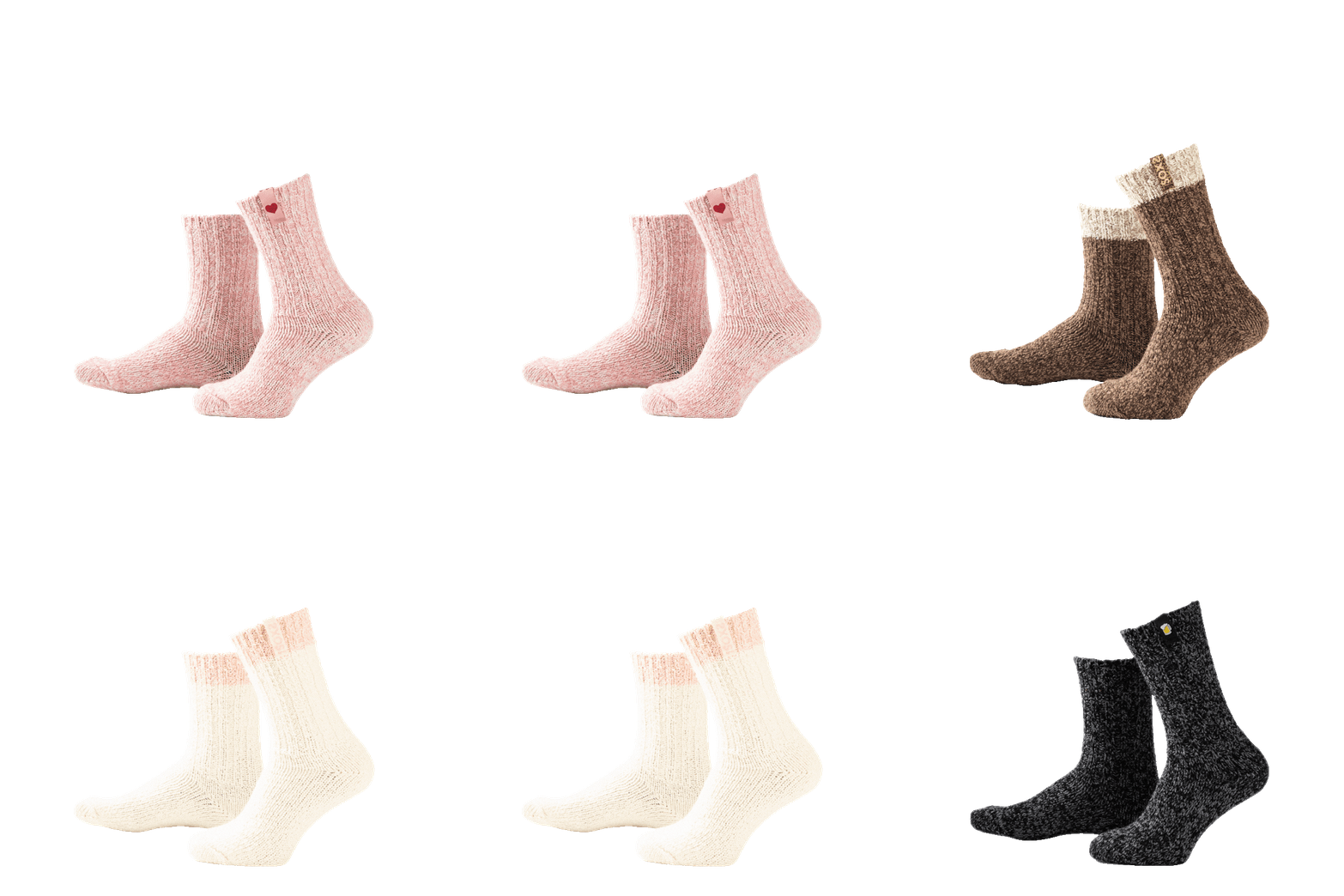
Soft warm premium wool socks
Gift ready, stylishly packaged
Orders placed before 1:00 PM will be shipped today (on weekdays) PLEASE NOTE: The delivery time of Pimp My Soxs is 5 working days!

If you’ve been dealing with chronic foot pain, you know how it can turn simple daily activities into uncomfortable challenges. Whether it’s that nagging ache in your arches, the burning sensation in your heels, or the constant throbbing that makes standing difficult, foot pain affects every step you take.
The good news is that the right pair of therapeutic socks can make a remarkable difference in your daily comfort. While they’re not a cure-all, specialised socks designed for foot pain relief can provide the support, cushioning, and comfort your feet need to get through the day more comfortably.
Let’s explore five types of socks that can help manage chronic foot pain and improve your overall foot health.
Your choice of socks plays a bigger role in foot comfort than you might think. The wrong socks can create pressure points, trap moisture, or fail to provide adequate support, potentially worsening existing pain conditions.
Common causes of chronic foot pain include plantar fasciitis, arthritis, diabetes-related complications, poor circulation, and structural issues like flat feet or high arches. Each of these conditions benefits from specific sock features that address the underlying problems.
Quality therapeutic socks work by providing targeted support, improving circulation, reducing friction, and maintaining optimal foot temperature and moisture levels. They create a better environment for your feet, which can help reduce inflammation and discomfort throughout the day.
Compression socks apply gentle, graduated pressure to your feet and lower legs, helping improve blood flow and reduce swelling. This makes them particularly beneficial for people with circulation issues, diabetes, or those who spend long periods standing or sitting.
The pressure from compression socks helps push blood back towards your heart, preventing it from pooling in your feet and ankles. This improved circulation can reduce the throbbing pain often associated with poor blood flow and help minimise swelling that contributes to discomfort.
For people with chronic foot pain, compression socks can provide relief from conditions like plantar fasciitis by supporting the arch and reducing inflammation. They’re also excellent for people with jobs that require prolonged standing, as they help prevent the fatigue and aching that build up throughout the day.
Extra padding in key areas can significantly reduce the impact your feet experience with each step. Cushioned socks feature additional material in the heel and forefoot areas, providing a buffer between your feet and hard surfaces.
This extra cushioning is particularly beneficial for heel pain, ball-of-foot discomfort, and general foot fatigue. The padding absorbs shock during walking and standing, reducing the stress on painful areas and helping prevent further irritation.
People with conditions like heel spurs or metatarsalgia often find that cushioned socks provide noticeable relief during daily activities. The additional padding can make the difference between a painful day and a manageable one, especially when combined with supportive footwear.
Built-in arch support can provide targeted compression and positioning that helps with various foot structure issues. Arch support socks feature additional material or compression zones specifically designed to support the arch area of your foot.
These socks are particularly helpful for people with flat feet, high arches, or plantar fasciitis. The targeted support helps maintain proper foot alignment and reduces strain on the plantar fascia, the band of tissue that connects your heel to your toes.
The compression provided by arch support socks can help reduce inflammation and provide stability during movement. This support is especially valuable during the first steps of the morning, when plantar fasciitis pain is often at its worst.
For people with diabetes, neuropathy, or generally sensitive feet, even small seams can create pressure points that lead to discomfort or injury. Seamless socks eliminate these potential problem areas by using special construction techniques that avoid traditional seam placement.
The smooth interior surface of seamless socks reduces friction and prevents the formation of hot spots that can develop into blisters or sores. This is particularly important for people with reduced sensation in their feet, who might not notice irritation until it becomes a serious problem.
These socks often feature non-binding tops that don’t restrict circulation, making them ideal for people with swelling or circulation issues. The combination of seamless construction and a gentle fit creates an optimal environment for sensitive feet.
Natural wool fibres offer unique advantages for foot health through their temperature regulation, moisture management, and antimicrobial properties. Wool socks for pain management work by creating an optimal environment that supports overall foot comfort.
Merino wool can absorb up to 30% of its weight in moisture without feeling damp, keeping your feet dry and comfortable throughout the day. This moisture management is crucial for preventing fungal infections and maintaining healthy skin, both important factors in managing chronic foot pain.
The temperature-regulating properties of wool help maintain a consistent foot temperature, which can improve circulation and reduce stiffness associated with conditions like arthritis. Wool’s natural elasticity also provides gentle compression without feeling restrictive, supporting your feet while allowing natural movement.
Selecting the right pain relief socks depends on your specific condition, activity level, and personal preferences. Many people find that different types of therapeutic socks work better for different situations or times of day.
Consider starting with one type that addresses your primary concern, then gradually exploring other options. For example, if circulation is your main issue, begin with compression socks and see how they affect your comfort levels. You might later add cushioned socks for high-impact days or seamless options for particularly sensitive periods.
Pay attention to how your feet respond to different features, and don’t be afraid to mix and match. Some people use compression socks during the day and switch to cushioned wool socks in the evening. Others prefer arch support socks for active days and seamless options when their feet are particularly sensitive.
SOXS provides comprehensive solutions for chronic foot pain through expertly designed therapeutic socks that combine multiple pain-relief features in premium constructions. Our approach addresses the full spectrum of foot pain challenges with targeted solutions:
Remember that therapeutic socks work best as part of a comprehensive approach to foot care. Combine them with proper footwear, regular foot exercises, and appropriate medical care for the best results. At SOXS, we understand that every step matters when you’re dealing with foot pain, and finding the right combination of comfort and support can make all the difference in your daily life. Whether you’re looking for compression support, cushioned comfort, or moisture-wicking properties, our shop offers a range of therapeutic options designed to address various foot pain conditions and help you move through your day with greater comfort.
For general foot pain and mild swelling, start with mild compression (8-15 mmHg). If you have moderate swelling or circulation issues, moderate compression (15-20 mmHg) is typically recommended. Higher compression levels (20-30 mmHg or above) should only be used under medical supervision. It’s best to consult with a healthcare provider to determine the appropriate compression level for your specific condition.
Most therapeutic socks can be worn with your regular shoes, but you may need to consider sizing adjustments. Cushioned and compression socks can add bulk, so ensure your shoes have adequate room to prevent tightness. If your shoes feel too snug with therapeutic socks, consider going up half a size or choosing thinner therapeutic options that still provide the support you need.
For most people, wearing therapeutic socks during waking hours (8-12 hours) is safe and beneficial. However, compression socks should typically be removed before bed unless specifically prescribed otherwise by a doctor. Start gradually with 2-4 hours daily and increase wear time as your feet adjust. If you experience increased pain, numbness, or skin irritation, reduce wear time and consult a healthcare professional.
The most common mistake is choosing socks based solely on the condition name rather than considering individual symptoms and needs. For example, not everyone with plantar fasciitis needs the same type of sock – some benefit more from arch support while others need cushioning. Another mistake is expecting immediate dramatic results; therapeutic socks provide gradual improvement and work best as part of a comprehensive foot care routine.
Replace therapeutic socks every 3-6 months with regular use, or sooner if you notice loss of elasticity, thinning, or reduced support. Wash them in cool water with mild detergent, avoid fabric softeners (which can break down elastic fibers), and air dry when possible. Rotate between multiple pairs to extend their lifespan and ensure you always have clean, supportive socks available.
Not necessarily. While higher-priced socks often use better materials and construction, the most important factor is finding socks that address your specific needs. A well-designed budget sock with the right features for your condition can be more effective than an expensive sock with features you don’t need. Focus on the specific therapeutic features (compression level, cushioning placement, arch support) rather than price alone.
Yes, therapeutic socks can significantly help with occupational foot pain. Compression socks are excellent for improving circulation and reducing swelling from prolonged standing, while cushioned socks provide impact protection throughout long shifts. Consider combining both features or alternating between compression socks during work hours and cushioned wool socks for recovery time at home.
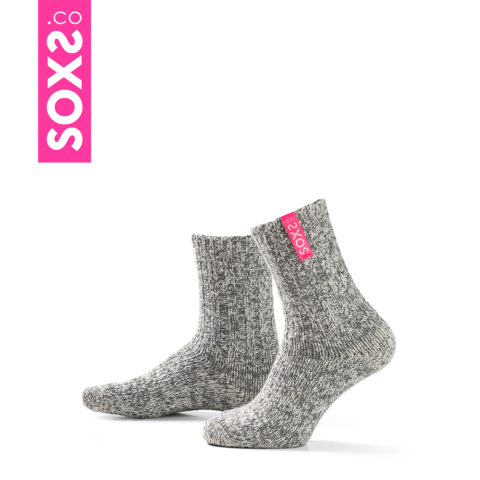
Calf height
Calf height
Calf height