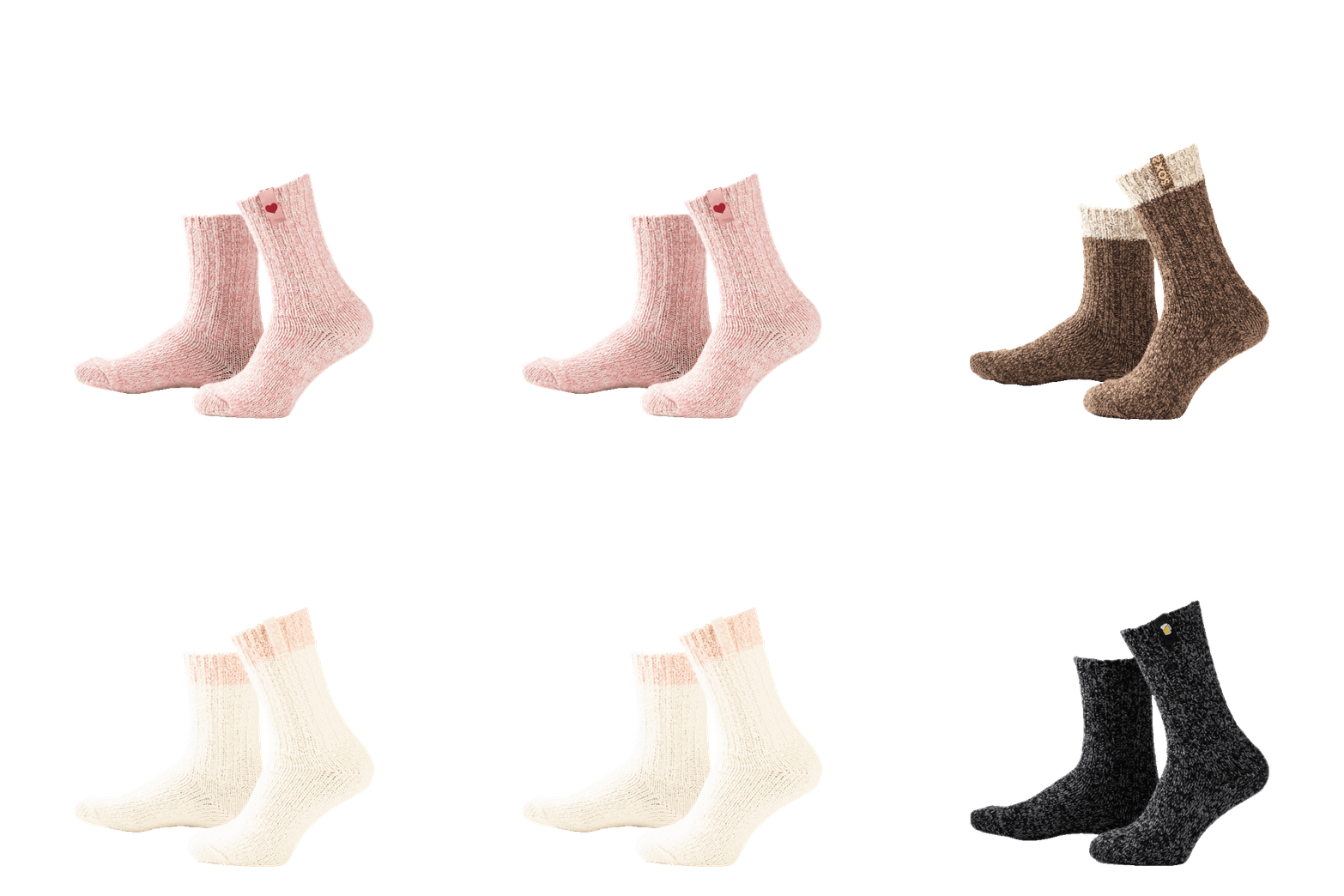
Soft warm premium wool socks
Gift ready, stylishly packaged
Orders placed before 1:00 PM will be shipped today (on weekdays) PLEASE NOTE: The delivery time of Pimp My Soxs is 5 working days!

Pressure sores can turn from a minor irritation into a serious health concern faster than you might expect. These painful wounds develop when continuous pressure restricts blood flow to your skin, often starting in areas where bones press close to the surface. Your feet, being constantly under pressure from walking and standing, are particularly vulnerable.
What many people don’t realise is that your choice of socks plays a surprisingly important role in preventing these uncomfortable and potentially dangerous wounds. The right sock properties can create a protective barrier between your skin and the forces that cause pressure sores, while the wrong ones can actually make matters worse.
Let’s explore the five sock properties that make all the difference in keeping your feet healthy and comfortable.
When your feet can’t breathe properly, you’re creating the perfect storm for pressure sore development. Poor ventilation traps moisture and heat around your skin, creating an environment where bacteria thrive and your skin becomes more vulnerable to breakdown.
Breathable materials like merino wool work differently from synthetic fabrics. The natural crimp in wool fibres creates tiny air pockets that allow air to circulate freely around your feet. This constant airflow helps regulate temperature and prevents the humid conditions that weaken your skin’s natural defences.
Unlike cotton or basic synthetic socks that can become saturated and stay wet against your skin, quality wool socks maintain their breathability even when they absorb moisture. This means your feet stay in a healthier environment throughout the day, reducing your risk of developing the soft, weakened skin that’s prone to pressure sores.
Wet skin is weak skin, and weak skin breaks down much more easily under pressure. When moisture sits against your feet for extended periods, it softens your skin and makes it far more susceptible to friction damage and pressure sore formation.
Quality moisture-wicking fabrics actively draw sweat away from your skin’s surface and move it to the outer layer of the sock where it can evaporate. This process keeps your feet dry and maintains your skin’s natural strength and resilience. Merino wool can absorb up to 30% of its weight in moisture without feeling damp against your skin, making it particularly effective at this crucial job.
The difference becomes obvious when you compare how your feet feel after a long day in moisture-wicking socks versus regular cotton ones. With proper moisture management, your skin stays healthy and better able to withstand the daily pressures of walking and standing.
Your feet have several high-pressure zones where bones sit close to the skin surface, particularly your heels, the balls of your feet, and your toes. Without proper cushioning, these areas bear concentrated pressure that can restrict blood flow and lead to pressure sore development.
Strategic cushioning works by spreading your body weight across a larger surface area, reducing the intense pressure points that cause problems. Quality socks place extra padding in these vulnerable zones while maintaining a comfortable fit that doesn’t bunch or create new pressure points.
The cushioning needs to strike the right balance between protection and comfort. Too little provides inadequate protection, while too much can make your shoes feel tight and create different pressure problems. Well-designed socks use varying thicknesses of cushioning material to provide protection exactly where you need it most.
Traditional sock seams might seem like a minor detail, but they can create significant problems for people prone to pressure sores. Every seam represents a raised area that can rub against your skin and create friction points, particularly around your toes where movement is constant.
Seamless toe construction eliminates these problematic raised areas, creating a smooth surface that moves with your foot rather than against it. This is particularly important for people with sensitive skin, circulation issues, or conditions like diabetes where even minor irritation can develop into serious problems.
The difference isn’t just about immediate comfort but also about preventing the repetitive friction that gradually weakens your skin over time. Seamless socks reduce rubbing and irritation that can lead to the initial skin damage that often precedes pressure sore development.
A sock that doesn’t fit properly can undo all the benefits of quality materials and construction. Socks that are too loose bunch and slide around in your shoes, creating friction and pressure points. Socks that are too tight restrict circulation and create their own pressure problems.
The right fit means your socks stay in place throughout the day without being restrictive. They should have enough stretch to move with your feet while maintaining their shape and position. Properly fitted socks prevent bunching and sliding that can cause the repetitive friction leading to skin breakdown.
Consider how your feet change throughout the day as they typically swell slightly, particularly if you’re on them for long periods. Quality socks account for this natural variation with materials and construction that adapt to these changes without becoming uncomfortably tight or loose.
These five properties work together to create a protective environment for your feet. Breathability and moisture-wicking keep your skin healthy and strong, cushioning distributes pressure evenly, seamless construction eliminates friction points, and proper fit ensures everything works as intended.
When you’re choosing socks for pressure sore prevention, look for products that combine all these features rather than focusing on just one aspect. The interaction between breathable materials, moisture management, strategic cushioning, seamless construction, and proper fit creates the comprehensive protection your feet need.
SOXS addresses every aspect of pressure sore prevention through scientifically-designed sock technology. Our approach combines all five critical properties into one comprehensive solution:
• Advanced merino wool construction provides superior breathability and moisture-wicking to keep your skin healthy and strong
• Strategic cushioning zones distribute pressure evenly across high-risk areas like heels and toe joints
• Seamless toe technology eliminates friction points that can lead to skin breakdown
• Precision-engineered fit prevents bunching and sliding while accommodating natural foot swelling
• Antimicrobial treatments provide additional protection against bacterial growth in vulnerable areas
Don’t wait until pressure sores develop and take action now to protect your feet. Visit our shop to explore our complete range of pressure-prevention socks and experience the difference that proper foot protection can make.
What difference might the right socks make to your daily comfort and long-term foot health?
Replace your socks every 3-6 months or when you notice reduced cushioning, stretched-out fabric, or loss of moisture-wicking ability. Signs it's time for new socks include persistent dampness, thinning in high-wear areas, or if the socks no longer maintain their shape after washing.
While athletic socks may have cushioning, they often lack the seamless construction, proper moisture-wicking materials, and strategic pressure distribution needed for pressure sore prevention. Standard athletic socks typically use synthetic materials that don't breathe as well as merino wool and may have toe seams that create friction points.
Stop wearing any socks that might be contributing to the problem and consult a healthcare professional immediately. Switch to seamless, moisture-wicking socks with extra cushioning, keep the area clean and dry, and avoid putting pressure on the affected spot until it heals completely.
Quality socks designed for pressure prevention are typically more cost-effective than treating pressure sores later. The medical costs, time off work, and discomfort from developed pressure sores far exceed the price of preventive socks, making them a worthwhile investment in your long-term foot health.
Properly fitted socks should feel snug but not tight, with no bunching or sliding inside your shoes. Check that there's no excess fabric at the toes, the heel sits correctly, and you can wiggle your toes freely. The sock should stay in place during normal activity without leaving marks on your skin.
Avoid hot water as it can damage the moisture-wicking properties and cause shrinkage. Wash in cool or warm water with gentle detergent, avoid fabric softeners which can reduce breathability, and air dry when possible to maintain the sock's protective properties and extend its lifespan.
People with diabetes should prioritize the same five properties but may need extra attention to seamless construction and proper fit due to reduced sensation and slower healing. Look for socks specifically labeled as diabetic-friendly, which typically feature non-binding tops, extra cushioning, and antimicrobial treatments for additional protection.