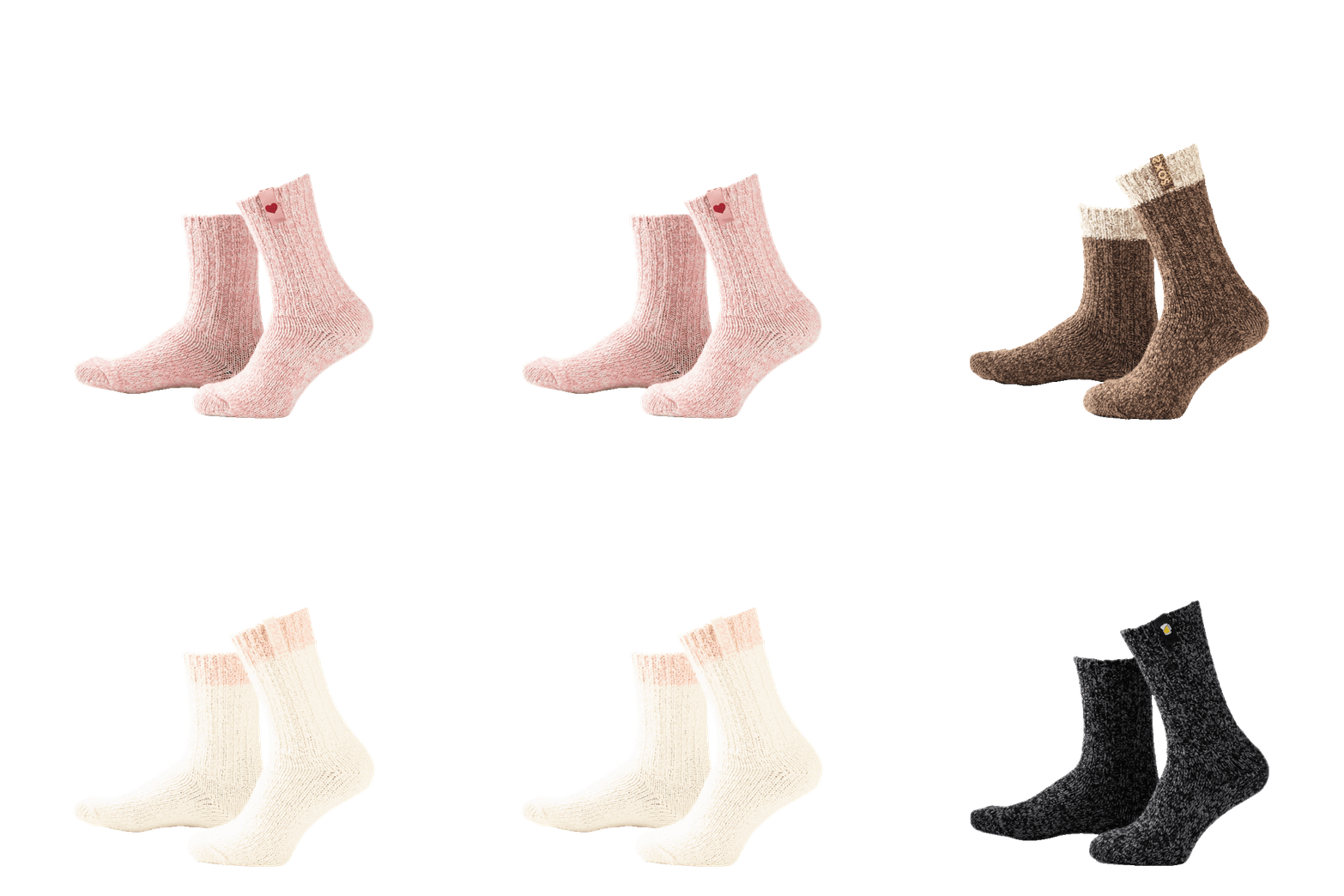
Soft warm premium wool socks
Gift ready, stylishly packaged
Orders placed before 1:00 PM will be shipped today (on weekdays) PLEASE NOTE: The delivery time of Pimp My Soxs is 5 working days!

When winter arrives and temperatures plummet, your choice of socks becomes more than just a fashion decision and transforms into a matter of genuine comfort and warmth. While synthetic materials dominate the market with promises of performance, wool remains nature’s most sophisticated solution for keeping your feet comfortable during the coldest months. The unique properties of wool, particularly merino wool, create an unmatched combination of warmth, breathability, and moisture management that synthetic alternatives simply cannot replicate.
Understanding why wool excels in winter conditions helps you make informed decisions about your cold-weather wardrobe. From its natural temperature regulation to its remarkable ability to maintain warmth even when wet, wool offers benefits that become more pronounced as temperatures drop.
Unlike synthetic materials that either trap heat or allow it to escape, wool actively responds to your body’s changing temperature needs. The crimped structure of wool fibres creates microscopic air pockets that expand and contract based on your activity level and external conditions. This natural thermostat effect means your feet stay comfortably warm without overheating during indoor activities or intense winter walks.
Merino wool excels at this temperature regulation because of its finer fibre diameter. When you’re active and generating heat, the wool fibres allow excess warmth to escape. When you’re stationary and your body temperature drops, those same fibres trap warm air close to your skin. This dynamic response system works continuously throughout the day, adapting to your changing environment without any conscious effort on your part.
Wool’s temperature-regulating ability becomes even more remarkable in extreme conditions. Where synthetic materials might leave you with frozen toes or sweaty feet, wool maintains that perfect balance that keeps you comfortable whether you’re walking through snow or sitting by a fireplace.
One of wool’s most impressive winter properties is its ability to manage moisture without compromising warmth. Wool fibres can absorb up to 30% of their weight in moisture while still feeling dry to the touch. This means that even during long winter days in heavy boots, your feet remain comfortable and fresh rather than damp and cold.
The moisture-wicking process happens at a molecular level. Wool fibres have a hydrophilic interior that attracts and absorbs moisture vapour from your skin, while the hydrophobic exterior repels liquid water. This dual action pulls sweat away from your feet and allows it to evaporate gradually, preventing that clammy feeling that synthetic materials often create.
This moisture management becomes crucial during winter activities when you’re moving between heated indoor spaces and cold outdoor environments. Your feet naturally adjust their moisture production based on temperature changes, and wool seamlessly handles these fluctuations without leaving you uncomfortable.
The secret to wool’s superior warmth lies in its unique fibre structure. Each wool fibre has a natural crimp that creates countless tiny air pockets when woven together. These microscopic insulation chambers trap warm air close to your skin while preventing cold air from penetrating through to your feet.
This insulation system works differently from synthetic padding or foam materials. While artificial insulators can compress and lose effectiveness under pressure, wool’s crimped fibres maintain their loft and insulating properties even when compressed inside winter boots. The natural elasticity of wool means these air pockets bounce back to full effectiveness each time you take your shoes off.
The insulation efficiency actually improves with quality wool blends. Premium merino wool maintains its crimped structure longer and creates more consistent air pockets throughout the fabric. This is why investing in quality wool socks for winter performance pays dividends in comfort during the coldest months.
Winter footwear often means spending long hours in closed, heavy boots, which creates a recipe for unpleasant odours with most sock materials. Wool’s natural antibacterial properties change this equation entirely. The protein structure of wool fibres naturally resists bacterial growth, which means less odour even after extended wear in winter conditions.
The benefits of merino wool extend beyond simple odour resistance. The smooth surface of merino fibres reduces friction against your skin, preventing hot spots and blisters that can develop during long winter walks. The natural elasticity also means wool socks maintain their shape and don’t bunch up inside boots, eliminating pressure points that synthetic socks often create.
The combination of moisture management and antibacterial properties means you can wear quality wool socks for extended periods without the foot-freshness concerns that plague other materials. This makes wool particularly valuable for winter travel, long workdays, or outdoor adventures where changing socks isn’t practical.
Perhaps the most remarkable aspect of wool’s thermal properties is how the material’s performance actually improves in colder conditions. While synthetic materials can become stiff and lose their insulating properties in extreme cold, wool maintains its flexibility and warmth-trapping ability even in sub-zero temperatures. The natural oils in wool fibres help maintain elasticity regardless of temperature fluctuations.
This cold-weather resilience comes from wool’s evolutionary purpose. Sheep develop thicker, more insulating fleeces in harsh conditions, and these natural adaptations translate directly to the performance of wool products. Premium wool sock materials maintain their structure and effectiveness even when exposed to the freeze and thaw cycles common in winter weather.
The durability factor becomes particularly important for sustainable wool choices. Quality wool socks actually improve with wear as the fibres settle into their optimal configuration. Unlike synthetic alternatives that degrade with repeated washing and temperature exposure, well-made wool socks can provide reliable winter comfort for years.
SOXS transforms all these natural wool benefits into practical, everyday comfort solutions specifically designed for winter challenges. Our approach combines premium merino wool technology with targeted design features that address the most common winter foot comfort issues:
Experience the difference that scientifically designed wool comfort can make in your winter routine. Shop our winter collection and discover how the right wool socks can transform cold weather from something you endure into something you enjoy.
The science behind wool’s winter superiority isn’t just theoretical and translates into real, daily comfort that transforms how you experience cold weather. From natural wool insulation that adapts to your activity level to wool’s breathability that prevents overheating, these natural properties work together to create an unmatched winter wearing experience.
Choosing quality wool products means investing in comfort that improves rather than deteriorates over time. Whether you’re dealing with chronically cold feet, spending long hours in winter boots, or simply wanting to enjoy outdoor activities without foot discomfort, wool provides the natural performance that synthetic alternatives struggle to match.
For everyday wear and light winter activities, medium-thickness merino wool socks provide optimal comfort without bulk. For heavy winter boots or extreme cold conditions, choose thicker cushioned wool socks. For winter sports or high-activity situations, opt for thinner merino wool socks that offer moisture management without overheating your feet inside performance footwear.
Quality merino wool socks can be machine washed on gentle cycles with cold water and wool-specific detergent. Avoid fabric softeners and high heat, which can damage wool fibers. Air dry your wool socks to maintain their natural crimp and insulating properties—the heat from dryers can cause shrinkage and reduce their temperature-regulating effectiveness.
Merino wool has finer fibers than regular wool, making it softer against skin and less likely to cause itching. Merino also offers superior moisture-wicking properties and better temperature regulation due to its refined fiber structure. While regular wool provides warmth, merino wool delivers the same insulation with added comfort and performance benefits crucial for extended winter wear.
Well-made wool socks can last 2-3 years with regular winter use when properly cared for. Signs it’s time to replace them include visible thinning in heel or toe areas, loss of elasticity, or reduced warmth retention. Quality wool socks actually improve with initial wear as fibers settle, so don’t be concerned if they feel slightly different after the first few wears.
No, wool’s natural temperature regulation prevents overheating during these transitions. The crimped fiber structure automatically adjusts to release excess heat when you enter warm spaces and trap warmth when you go back outside. This adaptive property is what sets wool apart from synthetic materials that either trap heat constantly or provide no insulation.
Wool maintains its insulating properties even when damp, so your feet will stay relatively warm. Remove wet socks as soon as practical and let them air dry—wool’s natural structure allows it to dry faster than cotton. For future prevention, consider wool socks with higher merino content, as they handle moisture more effectively than wool blends with synthetic materials.
People with severe wool allergies should avoid wool socks, though many who think they’re allergic to wool are actually sensitive to the lanolin or coarser fibers in lower-quality wool. Merino wool is often well-tolerated even by those with mild wool sensitivities. If you have circulation issues or diabetes, consult your healthcare provider about appropriate sock materials and fit for winter wear.