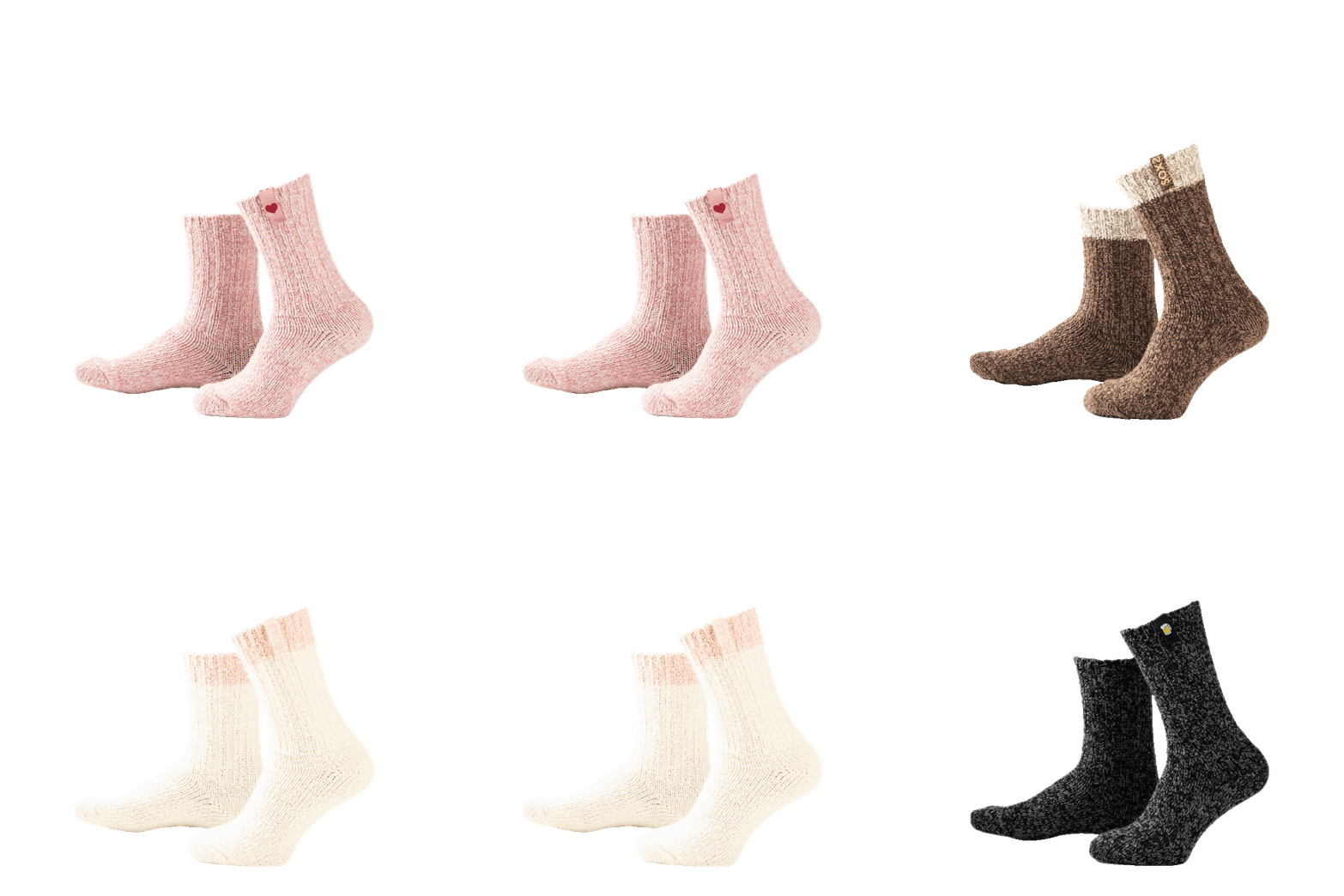

Soft warm premium wool socks
Gift ready, stylishly packaged
Orders placed before 1:00 PM will be shipped today (on weekdays) PLEASE NOTE: The delivery time of Pimp My Soxs is 5 working days!

Picture this: you’re rushing between lectures in a freezing lecture hall, then sprinting across campus to make it to your part-time job, only to end up with soggy, cold feet that smell less than pleasant by evening. Sound familiar? As a student, your feet endure long days, unpredictable weather, and tight budgets that often mean settling for cheap cotton socks that fall apart after a few washes.
But what if there were a better solution? Wool socks for students aren’t just a luxury—they’re a practical investment that tackles every foot-related challenge university life throws at you. From temperature regulation to durability, natural fibre socks made from merino wool offer benefits that cotton simply can’t match.
Let’s be honest about student life: you’re constantly on the move, often in less-than-ideal conditions. Those drafty dorm rooms, endless walks across campus in unpredictable weather, and marathon study sessions all take a toll on your feet. Add budget constraints into the mix, and you’re probably grabbing whatever socks are cheapest at the local shop.
The problem with this approach? You end up replacing those cotton socks every few months when they lose their shape, develop holes, or start retaining odours no amount of washing can eliminate. Meanwhile, you’re dealing with cold toes in winter lectures and sweaty feet during those stressful exam periods.
What you need are versatile footwear options that work across different activities and seasons—something that keeps up with your dynamic lifestyle without breaking the bank in the long run.
Here’s where wool shows its brilliance: it acts like a natural thermostat for your feet. Unlike cotton, which becomes useless when wet, merino wool maintains its insulating properties even when damp. The secret lies in wool’s unique fibre structure—those naturally crimped fibres trap air, creating insulation that adapts to your body temperature.
During those freezing morning lectures, wool socks keep your feet comfortably warm. But when you’re rushing between buildings or climbing stairs to your third-floor seminar room, the same socks prevent overheating by allowing excess heat and moisture to escape. This temperature regulation means you’re not constantly adjusting your comfort level throughout the day.
The science is fascinating: wool can absorb up to 30% of its weight in moisture without feeling damp. So whether you’re sitting in an air-conditioned library or walking through unexpected rain, your feet maintain that just-right temperature that keeps you focused on your studies rather than your discomfort.
Nothing kills your concentration like the squelchy feeling of damp socks. Cotton absorbs moisture and holds onto it, creating that clammy sensation that makes you want to kick off your shoes. Breathable socks made from wool work completely differently.
Wool fibres naturally wick moisture away from your skin and transport it to the sock’s outer surface, where it evaporates into the air. This moisture-wicking capability means your feet stay dry during those long days when you’re wearing the same pair of shoes from morning lectures through evening study groups.
Think about your typical student day: you might start with a morning jog, attend back-to-back classes, grab lunch with friends, spend hours in the library, then head to your part-time job. That’s easily 12 to 16 hours in the same socks. With wool, your feet feel as fresh at hour twelve as they did at hour one—no more peeling off damp socks at the end of the day.
As a student, you’re probably watching every penny. While wool socks cost more upfront, they’re actually the economical choice when you consider cost per wear. Cotton socks typically last a few months of regular use before they lose their shape, develop holes, or become permanently stretched out.
Wool fibres are naturally elastic and resilient. They can bend over 20,000 times without breaking, compared to cotton’s 3,000 bends. This means sustainable socks made from quality wool maintain their shape and comfort even after countless washes and wear cycles.
Here’s the maths: if you buy three pairs of cheap cotton socks every semester at £5 each, you’re spending £30 per year just on socks. One pair of quality wool socks might cost £20 but last two to three years with proper care. Over your university years, you’ll save money while enjoying superior comfort—a win for any budget-conscious student.
This is particularly relevant when you’re sharing close quarters in dorms or group study spaces. The answer is yes, and it’s all down to wool’s natural antibacterial properties. Wool contains lanolin, a natural substance that inhibits the growth of odour-causing bacteria.
Additionally, because wool keeps your feet dry, it creates an environment where bacteria struggle to thrive. Bacteria love warm, moist conditions—exactly what cotton socks provide after a few hours of wear. Wool socks actively work against these conditions, keeping your feet fresher for longer.
This means you can wear wool socks for longer periods without developing that telltale student sock smell. Perfect for those times when you need to slip your shoes off in the library, crash at a friend’s place, or simply want to feel confident that your feet won’t clear a room when you remove your trainers.
Student life is wonderfully varied, and you need gear that keeps up. Student essentials should work whether you’re cramming for exams in a chilly library, hiking with the outdoor society, hitting the gym, or exploring the city on weekends.
Wool socks excel across this entire spectrum. They’re thin enough to wear comfortably in dress shoes for presentations or job interviews, yet warm enough for weekend camping trips. The natural odour resistance makes them ideal for gym sessions, while their comfort factor means you can wear them during all-night study sessions without your feet feeling fatigued.
Unlike speciality athletic socks that only work for sports, or thin dress socks that offer no warmth, wool socks are genuinely versatile. One pair works for multiple purposes, which is perfect when you’re living out of a small dorm room and don’t have space for a dozen different types of socks.
Your university years are demanding enough without having to worry about uncomfortable, smelly, or constantly failing socks. Wool socks for students offer a simple upgrade that improves your daily comfort while actually saving money over time.
When shopping for wool socks, look for merino wool blends that include a small percentage of synthetic fibres for durability. Care for them properly—wash in cool water and air dry—and they’ll serve you well throughout your studies and beyond.
The benefits of wool extend far beyond just keeping your feet warm. You’re investing in consistent comfort, better foot health, and one less thing to worry about during your busy student life.
SOXS provides the perfect solution for students seeking reliable, comfortable footwear that works with tight budgets and demanding lifestyles. Our premium merino wool socks address every challenge mentioned above:
Ready to experience the difference that quality wool socks can make to your student lifestyle? Browse our shop to find the perfect pairs for your needs. Your feet—and your wallet—will thank you for making the switch.
Start with 3-4 pairs of quality wool socks to cover your weekly needs. This allows you to rotate them properly while having backups for laundry days. Since wool naturally resists odours, you can wear the same pair for 2-3 days if needed, making fewer pairs more practical than with cotton socks.
Yes, you can machine wash wool socks, but use cool water (30°C or less) and a gentle cycle. Avoid the dryer—heat can cause wool to shrink and lose its shape. Instead, air dry them flat or hang them up. Most modern merino wool socks are designed to be machine-washable and student-friendly.
No, wool’s natural temperature regulation works year-round. The same properties that keep you warm in winter also prevent overheating in warmer conditions by wicking away moisture and allowing airflow. Many students find wool socks more comfortable than cotton even in summer because they stay dry and don’t create that sticky feeling.
Look for merino wool blends (usually 70-80% wool with synthetic fibres for durability) rather than 100% wool, which can be more expensive and less durable. Check for reinforced heels and toes, and consider buying during sales or in multipacks. Avoid very cheap ‘wool blend’ socks that contain mostly synthetic materials.
Absolutely! Wool’s moisture-wicking and antibacterial properties make it excellent for athletic activities. The natural fibres prevent blisters better than cotton and keep feet dry during intense exercise. Many professional athletes choose merino wool socks for training and competition because they perform well under demanding conditions.
Merino wool socks are much softer than traditional wool clothing and rarely cause itching. Merino fibres are much finer than regular wool, making them gentle against skin. If you have very sensitive skin, look for socks labeled as ‘superfine merino’ or try a wool-bamboo blend for extra softness.
Replace wool socks when you notice persistent thin spots, holes that can’t be darned, or significant loss of elasticity around the cuff. Quality wool socks should maintain their shape and cushioning for 1-3 years with regular wear. If they start feeling flat underfoot or lose their moisture-wicking ability, it’s time for new ones.