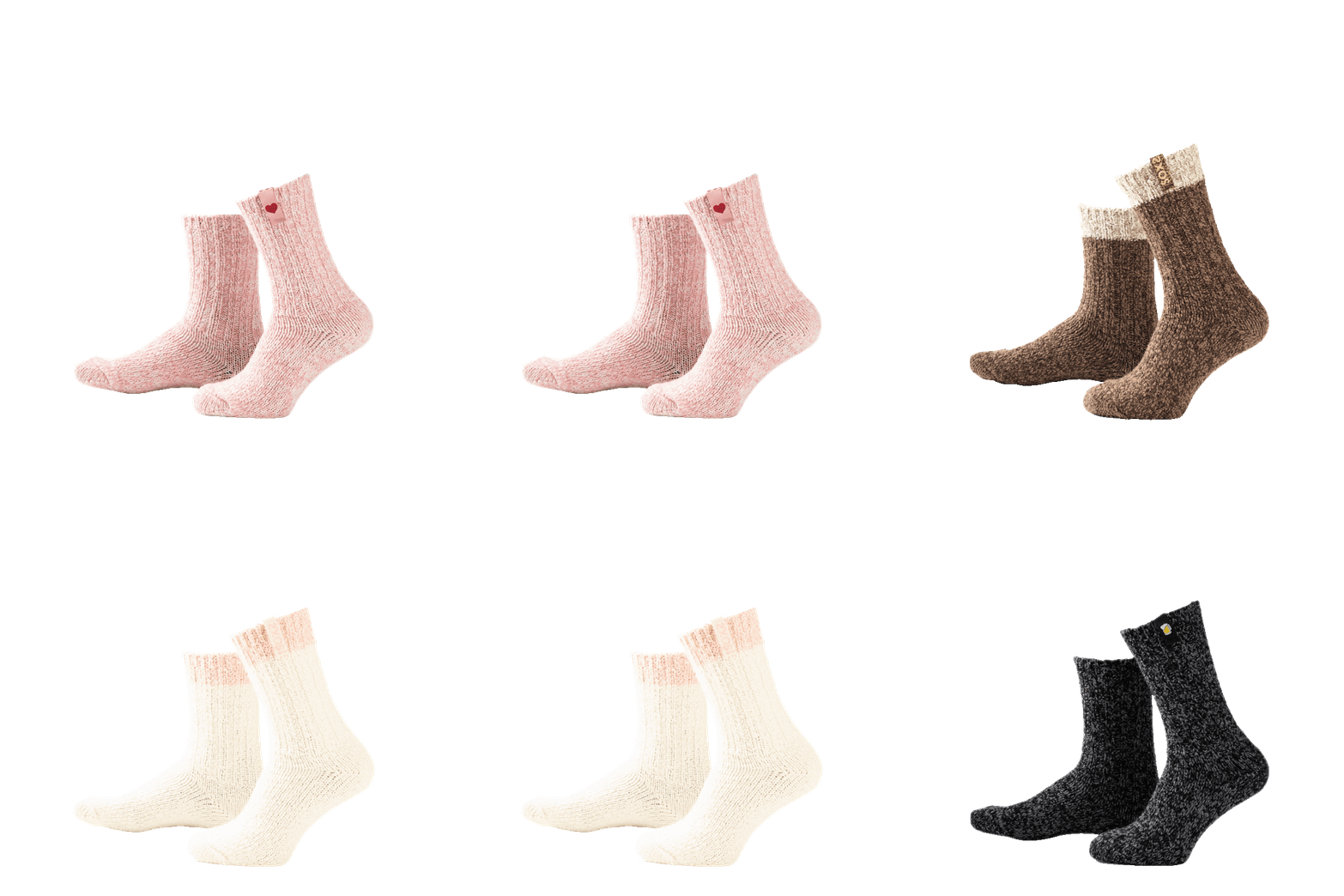
Soft warm premium wool socks
Gift ready, stylishly packaged
Orders placed before 1:00 PM will be shipped today (on weekdays) PLEASE NOTE: The delivery time of Pimp My Soxs is 5 working days!

When you’re choosing clothes for your little one, the materials matter more than you might think. Your baby’s skin is incredibly delicate and sensitive, making it vulnerable to irritation from synthetic fabrics and harsh chemicals. Natural fibres like wool socks for babies provide a gentle, protective barrier that works with your baby’s natural temperature-regulation system rather than against it.
Unlike synthetic materials that can trap heat and moisture, natural fibres breathe with your baby’s skin. This means fewer rashes, less discomfort, and better sleep for everyone. When you understand how merino wool benefits your baby’s comfort and health, you’ll see why more parents are making the switch to natural materials for their little ones’ wardrobes.
One of wool’s most remarkable qualities is its ability to keep your baby comfortable regardless of the weather. The natural crimp in wool fibres creates tiny air pockets that trap warm air when it’s cold and allow heat to escape when it’s warm. This means your baby won’t overheat during summer naps or get chilly during winter outings.
Merino wool can absorb up to 30% of its weight in moisture without feeling damp or clammy. For babies who tend to have sweaty feet or hands, this moisture-wicking property prevents that uncomfortable sticky feeling that synthetic materials often create. The wool draws moisture away from your baby’s skin and releases it into the air, keeping them dry and comfortable throughout the day.
This temperature regulation babies experience with wool means fewer outfit changes and more consistent comfort. Whether you’re dealing with unpredictable spring weather or moving between heated indoor spaces and cooler outdoor temperatures, wool adapts naturally to keep your baby’s body temperature stable.
High-quality merino wool is naturally hypoallergenic, making it an excellent choice for babies with sensitive skin or those prone to eczema. Unlike the scratchy wool your grandmother might remember, modern merino wool fibres are incredibly fine and soft, feeling gentle against even the most delicate skin.
Wool’s natural structure resists dust mites, one of the most common household allergens. These microscopic creatures thrive in synthetic materials but struggle to survive in wool’s naturally inhospitable environment. This means hypoallergenic babywear made from wool creates a protective barrier against common irritants that could trigger allergic reactions or skin flare-ups.
The smooth surface of quality wool fibres also reduces friction against your baby’s skin. This is particularly important for breathable baby socks, where constant movement could otherwise cause irritation or blisters. Parents often notice that their babies seem more content and fuss less when wearing wool products, likely due to the increased comfort and reduced skin irritation.
Wool contains natural antibacterial and antimicrobial properties that help keep your baby healthier with less effort on your part. The lanolin naturally present in wool fibres creates an environment where harmful bacteria struggle to multiply, reducing the risk of skin infections and unpleasant odours.
This natural protection is particularly valuable for baby wool clothing that’s worn close to the skin for extended periods. While synthetic materials can become breeding grounds for bacteria when they get warm and moist, wool actively works against bacterial growth. This means wool garments stay fresher for longer and require less frequent washing, which is a blessing for busy parents.
The antibacterial properties also contribute to better skin health overall. When harmful bacteria can’t flourish on your baby’s clothing, there’s less risk of skin irritation, rashes, or more serious infections. This natural protection works around the clock, giving you peace of mind about your baby’s hygiene and health.
The safety advantages of wool over synthetic materials go far beyond basic comfort. Synthetic fabrics are often treated with chemical finishes, dyes, and processing agents that can irritate sensitive baby skin. These chemicals can also off-gas, potentially affecting your baby’s developing respiratory system.
Natural fibres for infants like merino wool undergo minimal chemical processing, especially when sourced from ethical suppliers. Quality wool products are often dyed with natural or low-impact dyes and don’t require the harsh chemical treatments that synthetic materials need to achieve similar properties.
Wool is also naturally flame-resistant without chemical treatments, making it inherently safer than synthetic materials that require flame-retardant chemicals. When you choose wool, you’re avoiding potentially harmful substances while still getting superior performance. The breathability of wool also prevents the heat build-up that can occur with synthetic materials, reducing the risk of overheating.
While wool products might cost more initially, their exceptional durability makes them excellent value for money. Quality wool garments maintain their shape, softness, and performance characteristics even after repeated washing and wearing. This longevity is particularly important for baby clothes that need frequent laundering.
Wool’s natural elasticity means it bounces back to its original shape rather than stretching out or becoming misshapen like many synthetic alternatives. This resilience ensures that sustainable baby products made from wool can be passed down to younger siblings or friends, extending their useful life and reducing waste.
The self-cleaning properties of wool also mean less wear from frequent washing. Wool can often be aired out between wears rather than washed every time, which preserves the fibres and maintains the garment’s quality longer. When you do need to wash wool items, they typically require gentler cycles and cooler temperatures, which is better for both the fabric and the environment.
Choosing wool for your baby represents more than just a fabric decision – it’s an investment in their comfort, health, and your peace of mind. The natural properties of wool work synergistically to create an ideal environment for your baby’s developing skin and temperature-regulation systems.
When you’re ready to experience these benefits firsthand, look for products made from high-quality merino wool that’s been ethically sourced. New Zealand wool is particularly renowned for its superior quality and sustainable farming practices. Start with items that have direct skin contact, like socks or base layers, and notice the difference in your baby’s comfort and your own confidence in their well-being.
The transition to eco-friendly baby clothes doesn’t have to happen overnight. Once you experience the superior performance of natural wool, you’ll understand why it’s been trusted by parents for generations and why investing in quality materials makes such a significant difference to your baby’s daily comfort.
SOXS provides the complete solution for parents seeking the highest quality wool clothing for their babies. Our products deliver all the natural benefits of premium merino wool while ensuring ethical sourcing and superior craftsmanship. Here’s how SOXS makes the difference:
Experience the difference that premium wool makes for your baby’s comfort and health. Visit the SOXS shop today to discover our complete range of wool baby products and give your little one the natural protection they deserve.
Wool baby clothes should be hand-washed or machine-washed on a gentle wool cycle using cool water and wool-specific detergent. Avoid fabric softeners as they can damage wool’s natural properties. Air dry flat rather than hanging to prevent stretching, and store clean wool items in breathable cotton bags to maintain their natural antibacterial properties.
Yes, high-quality merino wool is actually beneficial for babies with eczema and sensitive skin due to its hypoallergenic and moisture-wicking properties. However, always choose superfine merino wool (18.5 microns or finer) and introduce wool gradually by having your baby wear it for short periods initially to ensure no adverse reactions occur.
Look for 100% merino wool with a micron count of 18.5 or lower for the softest feel. Choose products that are mulesing-free and ethically sourced, preferably with certifications like OEKO-TEX Standard 100. Avoid wool blends with synthetic materials as they reduce the natural benefits, and ensure the wool hasn’t been treated with harsh chemicals or flame retardants.
Absolutely! Wool’s natural temperature regulation works in both hot and cold weather by wicking moisture away and allowing air circulation. In summer, choose lightweight merino wool garments that will keep your baby cool and dry. The key is selecting appropriate wool weights – lighter weights for warm weather and heavier weights for cold weather.
Most parents notice improvements within the first few days of switching to wool. You’ll likely see reduced skin irritation, fewer rashes, and better sleep patterns as your baby stays more comfortable throughout the night. The moisture-wicking and temperature regulation benefits are typically apparent immediately, especially during sleep and active play times.
Wool is generally safe for most babies, but avoid it if your child has a diagnosed wool allergy (which is rare with high-quality merino wool). Also, be cautious with very premature babies whose skin might be extra sensitive – consult your pediatrician first. During messy feeding times, you might prefer easily washable alternatives, then switch back to wool for comfort and sleep.