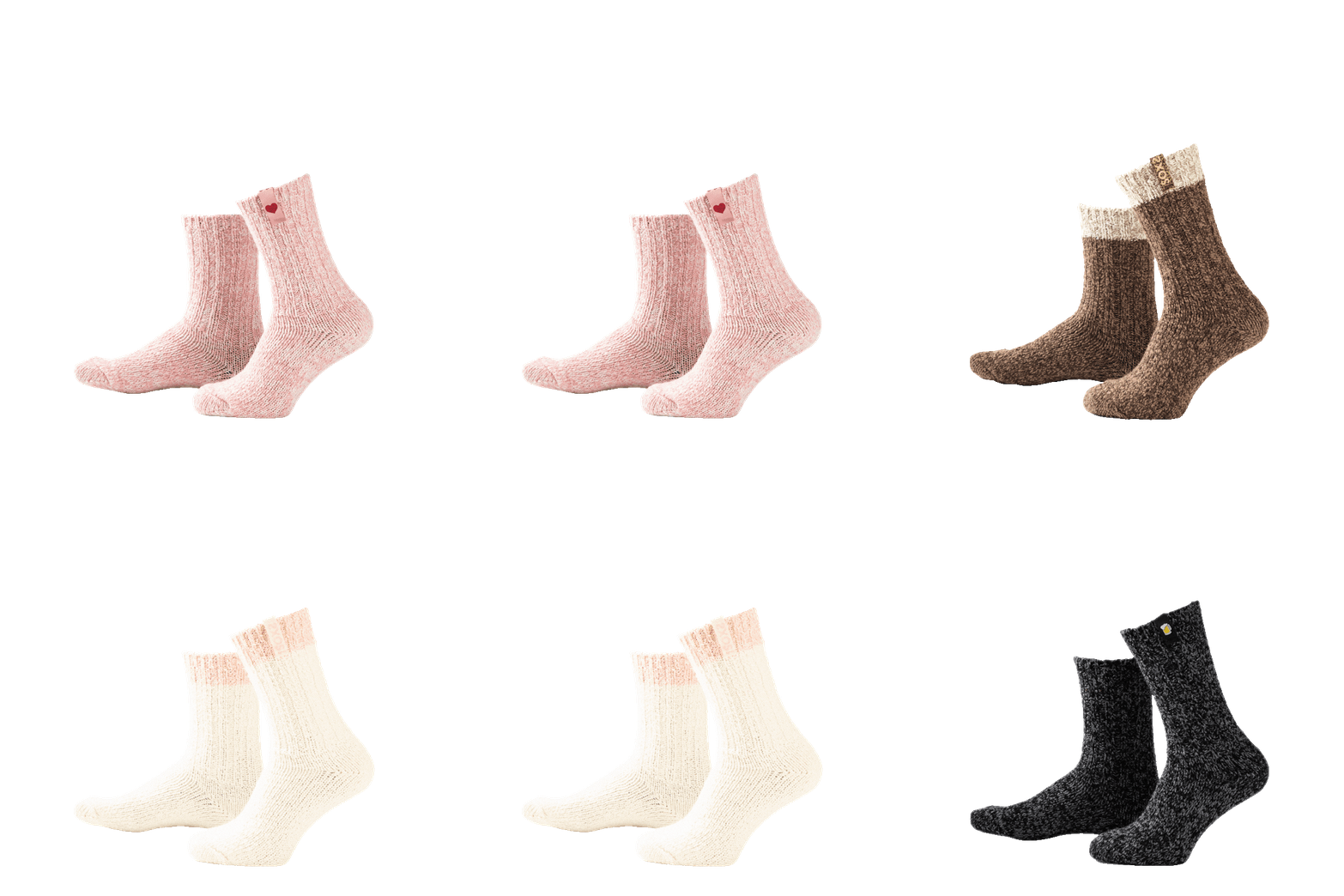
Soft warm premium wool socks
Gift ready, stylishly packaged
Orders placed before 1:00 PM will be shipped today (on weekdays) PLEASE NOTE: The delivery time of Pimp My Soxs is 5 working days!

Have you ever wondered why wool has been humanity’s go-to fabric for thousands of years? Beyond its incredible warmth and comfort, wool’s antibacterial properties make it a natural champion against harmful microorganisms. While synthetic fabrics trap bacteria and create breeding grounds for unpleasant odours, wool actively fights back with its built-in defence mechanisms.
Understanding why wool is antibacterial isn’t just fascinating science—it’s practical knowledge that can transform your daily comfort. From preventing foot odour to maintaining freshness throughout long days, these natural antimicrobial benefits explain why discerning consumers increasingly choose wool over synthetic alternatives. Let’s explore the five remarkable ways wool keeps bacteria at bay naturally.
The secret to wool’s bacteria-resistant properties lies in its complex microscopic structure. Unlike smooth synthetic fibres, wool fibres feature overlapping scales called cuticles that create a rough, inhospitable surface for bacteria. These scales act like tiny shields, making it incredibly difficult for harmful microorganisms to establish colonies and multiply.
This unique architecture goes beyond just physical barriers. The crimped, three-dimensional structure of wool fibres creates countless air pockets that disrupt bacterial growth patterns. When bacteria attempt to settle on wool, they encounter an unstable environment that prevents them from forming the biofilms they need to thrive.
Merino wool, in particular, excels at this natural defence mechanism. The finer the wool fibres, the more surface area they provide for trapping and neutralising bacteria before they can cause problems. This explains why Merino wool’s antibacterial properties are so highly regarded in performance clothing and luxury comfort wear.
Every wool fibre contains traces of lanolin, a waxy substance that sheep naturally produce to protect their fleece. This remarkable compound serves as wool’s natural antimicrobial protection, actively working to eliminate bacteria, fungi, and other harmful microorganisms that come into contact with the fabric.
Lanolin’s antimicrobial action works through multiple pathways. It disrupts bacterial cell membranes, making it impossible for microorganisms to maintain their structural integrity. Additionally, lanolin creates an environment that’s chemically hostile to bacterial reproduction, effectively stopping infections before they start.
Even after processing and manufacturing, wool retains enough lanolin to provide ongoing antimicrobial benefits. This natural protection doesn’t wash out easily, meaning your wool garments continue fighting bacteria wear after wear, wash after wash.
Bacteria thrive in warm, moist environments—exactly the conditions that synthetic fabrics create against your skin. Wool’s extraordinary moisture management capabilities eliminate these breeding grounds by actively pulling moisture away from your body and releasing it into the air.
Here’s where the science gets fascinating: wool can absorb up to 30% of its weight in moisture without feeling wet or clammy. This absorption happens at the molecular level, where water molecules bind to the wool’s protein structure rather than sitting on the surface. The result? Your skin stays dry, and bacteria lose the humid environment they need to multiply.
The moisture-wicking process also helps regulate temperature, creating conditions that are even more hostile to bacterial growth. Wool socks’ antibacterial properties become especially apparent during long days or physical activity, when synthetic alternatives would become breeding grounds for odour-causing bacteria.
The protein structure of wool creates a naturally acidic environment that’s toxic to most odour-causing bacteria. Wool fibres have a pH level that actively neutralises the alkaline compounds bacteria produce as waste products—the very substances responsible for unpleasant smells.
This chemical warfare happens continuously and automatically. As bacteria attempt to break down organic matter on your skin, wool’s amino acid chains interfere with their metabolic processes. The bacteria simply cannot complete the chemical reactions necessary to produce those familiar sweaty, musty odours.
Unlike synthetic fabrics that absorb and hold onto odours, wool actively breaks them down at the molecular level. This means your wool garments stay fresh longer between washes, and even after extended wear, they resist the persistent odours that plague synthetic alternatives.
Wool’s thermoregulating properties create an environment that’s consistently unfavourable for bacterial reproduction. Most harmful bacteria prefer stable, warm conditions to multiply rapidly. Wool disrupts this preference by maintaining optimal temperature balance regardless of external conditions.
The crimped structure of wool fibres traps air when you’re cold, providing insulation. When you warm up, these same fibres release excess heat and moisture, preventing the hot, humid conditions bacteria love. This constant temperature modulation means bacteria never get the stable environment they need to establish thriving colonies.
This temperature regulation also supports your body’s natural immune responses. When your skin maintains an optimal temperature, your natural antimicrobial defences work more effectively, creating a partnership between wool’s properties and your body’s own bacteria-fighting mechanisms.
SOXS harnesses wool’s natural antibacterial properties to provide superior comfort and hygiene in premium sock collections. Our carefully crafted wool blends maximize the antimicrobial benefits while delivering exceptional softness and durability. Here’s how SOXS makes a difference:
• Premium Merino wool selection: We source the finest Merino wool fibres that offer maximum antibacterial effectiveness and comfort
• Optimal wool content: Our blends maintain high wool percentages to preserve natural antimicrobial properties
• Minimal processing: We use gentle manufacturing techniques that retain lanolin and preserve wool’s natural protective qualities
• Long-lasting freshness: Our socks stay odour-free longer, reducing washing frequency and extending garment life
Experience the difference that scientifically-backed wool technology can make in your daily comfort. Discover our complete range of antibacterial wool socks and transform your foot health with nature’s most sophisticated antimicrobial fabric.
Unlike synthetic fabrics, wool garments can be worn multiple times between washes due to their natural antibacterial and odour-resistant properties. For wool socks, you can typically wear them 2-3 times before washing, while wool sweaters may only need washing every 5-10 wears. Over-washing can actually reduce the lanolin content that provides antimicrobial benefits, so less frequent washing preserves wool’s natural protective qualities.
Yes, wool is particularly beneficial for people who sweat heavily. Wool’s ability to absorb up to 30% of its weight in moisture while maintaining its antibacterial properties makes it ideal for managing excessive perspiration. The moisture-wicking action keeps skin drier, while the antimicrobial properties prevent the bacterial growth that typically causes strong odours in synthetic fabrics when exposed to heavy sweating.
While all wool has natural antibacterial properties, the effectiveness varies by type and processing. Merino wool is considered the most effective due to its finer fibres that provide more surface area for bacterial interaction. Minimally processed wool retains more lanolin and thus stronger antimicrobial properties, while heavily treated or superwash wools may have reduced antibacterial effectiveness due to the removal of natural protective compounds.
Yes, proper care can help maintain and even enhance wool’s natural antibacterial properties. Use wool-specific detergents that don’t strip lanolin, air-dry garments when possible to preserve fibre structure, and consider occasional lanolin treatments for heavily used items. Avoid fabric softeners and harsh chemicals that can damage the cuticle structure and reduce the fibre’s natural antimicrobial effectiveness.
Look for products made from high-quality Merino wool or other fine wool varieties, as these have superior antibacterial properties. Check that the wool is minimally processed and avoid items labeled as ‘superwash’ if antibacterial properties are your priority. Wool blends should have at least 70% wool content to maintain significant antimicrobial benefits, and products from reputable manufacturers who understand wool’s natural properties will typically offer better performance.
While wool’s antibacterial properties are highly effective for everyday use, they may need support in extreme conditions such as multi-day hiking without washing opportunities, medical situations requiring sterile conditions, or when dealing with specific fungal infections. In these cases, wool’s natural properties should be combined with proper hygiene practices and, when necessary, medical-grade antimicrobial treatments as advised by healthcare professionals.