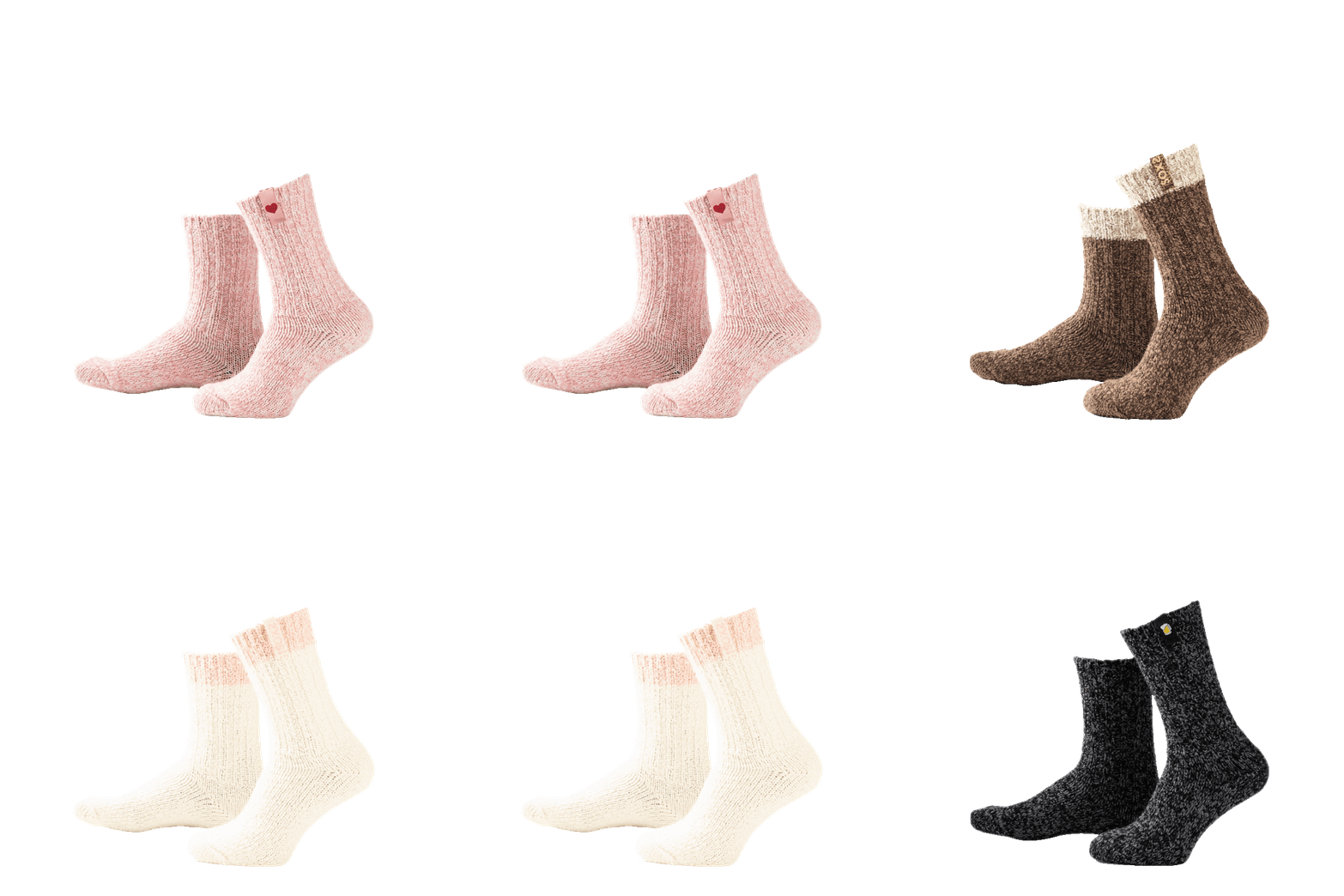

Soft warm premium wool socks
Gift ready, stylishly packaged
Orders placed before 1:00 PM will be shipped today (on weekdays) PLEASE NOTE: The delivery time of Pimp My Soxs is 5 working days!

When you’re dealing with a compromised immune system, every detail of your health routine matters. You might already focus on nutrition, sleep, and exercise, but there’s one often overlooked area that could make a real difference: your feet. Proper foot care and the right sock choices can actually support your body’s natural defences in ways you might not expect.
Your feet are more connected to your overall health than you realise. Poor foot hygiene, trapped moisture, and temperature extremes can place additional stress on your immune system when it’s already working overtime. The good news? Simple changes to your daily sock routine can help support your body’s natural ability to stay healthy.
Your feet play a surprisingly important role in supporting your immune system. When your feet are cold, your body redirects blood flow away from your extremities to protect vital organs. This reduced circulation can make it harder for immune cells to patrol these areas effectively.
Temperature regulation through your feet also affects your overall body temperature. Maintaining proper foot warmth helps your circulatory system function optimally, ensuring nutrients and immune cells can travel efficiently throughout your body. When your feet are consistently cold, your body works harder to maintain core temperature, which can drain energy that could otherwise support immune function.
Foot health directly impacts your body’s first line of defence as well. Cracked skin, blisters, or fungal infections create entry points for bacteria and other pathogens. When you have a weakened immune system, these minor issues can become more serious problems that require your body’s limited resources to address.
Moisture is the enemy when you’re trying to maintain healthy feet with a compromised immune system. Trapped dampness creates the perfect breeding ground for bacteria and fungi, which can lead to infections that place extra strain on your already hard-working immune system.
Choose socks made from moisture-wicking materials that pull sweat away from your skin. Natural fibres like merino wool excel at this job because they can absorb up to 30% of their weight in moisture without feeling damp. This means your feet stay dry even during long days or physical activity.
Make sock changes part of your daily routine, especially if you’re active or prone to sweaty feet. Keep a spare pair at work or in your bag so you can change into fresh, dry socks if needed. This simple habit prevents the buildup of moisture that can compromise your foot health and, in turn, supports your immune system’s efforts.
Pay attention to your footwear choices too. Shoes that don’t breathe well trap moisture, no matter how good your socks are. Rotate between different pairs of shoes when possible to allow them to air out completely between wears.
The material your socks are made from directly affects blood flow to your feet. Synthetic materials often trap heat and moisture, creating an environment that can impede healthy circulation and potentially weaken your immune response.
Natural fibres, particularly merino wool, offer superior temperature regulation and breathability. Wool’s natural crimp structure traps air, creating insulation that keeps feet warm without overheating. This consistent temperature helps maintain steady blood flow, supporting the delivery of immune cells throughout your extremities.
Unlike synthetic materials that can harbour bacteria and odours, natural wool fibres have antimicrobial properties that help keep your feet healthier. This reduces the likelihood of infections that could burden your immune system with additional challenges to fight off.
Cotton, while natural, isn’t ideal for people with weakened immunity because it retains moisture and loses its insulating properties when wet. Stick with wool blends that combine the benefits of natural temperature regulation with durability and shape retention.
The right sock thickness depends on your daily activities, climate, and specific health needs. Getting this balance right prevents pressure points and ensures a proper fit, both important factors for maintaining healthy feet.
For everyday wear in moderate climates, medium-thickness socks provide the best balance of warmth, comfort, and breathability. If you’re dealing with consistently cold feet due to poor circulation, thicker socks designed for extreme cold can provide the extra insulation your body needs without compromising blood flow.
Proper fit prevents complications that your immune system would otherwise need to address. Socks that are too thick for your shoes create pressure points and friction, leading to blisters or sore spots. If they’re too thin, you miss out on the cushioning and temperature regulation that support healthy feet.
Consider your activity level throughout the day. If you’re mostly sedentary, you might need thicker, warmer socks to help maintain circulation. More active individuals often do better with medium-thickness options that provide protection without causing overheating during movement.
Consistent foot temperature isn’t just about comfort—it’s about supporting your body’s immune function. Extreme temperatures, whether hot or cold, create stress that your immune system has to work to counteract.
In winter, focus on maintaining warmth without overheating. Quality wool socks excel here because they regulate temperature naturally, keeping feet warm in cold conditions while preventing the overheating that can occur with synthetic materials. Consistent warmth supports circulation, helping immune cells move efficiently through your system.
During warmer months, the goal shifts to keeping feet cool and dry while still providing adequate protection. Lighter-weight natural fibres allow air circulation while maintaining the antimicrobial benefits that support foot health. This prevents the hot, moist conditions that encourage bacterial and fungal growth.
Pay attention to indoor temperature changes too. Air conditioning, heating systems, and different floor surfaces all affect foot temperature. Having the right socks means your feet can adapt to these changes without creating additional stress for your immune system.
Supporting your immune system through proper foot care isn’t complicated, but it does require consistency. These simple sock strategies work together to reduce the burden on your immune system, allowing it to focus on keeping you healthy rather than dealing with preventable foot-related issues.
The key is to view your sock choice as part of your overall health routine, just like taking vitamins or getting enough sleep. Quality natural materials, proper fit, and good hygiene habits create an environment where your feet—and your immune system—can function at their best.
Remember that when your immune system is already working hard, every small support matters. By keeping your feet dry, warm, and healthy, you’re removing potential stressors and giving your body the best chance to maintain its natural defences.
SOXS provides the perfect foundation for supporting your immune system through superior foot care. Our premium natural fibre socks deliver the essential features your body needs when immunity is compromised:
• Merino wool construction that wicks moisture 30% more effectively than synthetic alternatives
• Temperature regulation technology that maintains optimal foot warmth without overheating
• Antimicrobial properties that naturally resist bacteria and fungal growth
• Seamless toe construction that prevents pressure points and potential infection sites
• Reinforced durability that maintains protective properties wash after wash
Don’t let compromised immunity start from the ground up. Visit our shop today to discover how the right socks can become an essential part of your health defence strategy.
You should change your socks at least once daily, and more frequently if they become damp from sweat or moisture. If you’re active or have particularly sweaty feet, consider changing socks midday to maintain optimal dryness. Keep spare pairs at work or in your bag so you can change into fresh, dry socks whenever needed to prevent bacterial and fungal growth.
Merino wool is superior to regular wool because it’s much softer, less itchy, and has better moisture-wicking properties. It can absorb up to 30% of its weight in moisture without feeling damp, and its finer fibres provide better temperature regulation. Merino wool also has natural antimicrobial properties that help prevent odour and bacterial growth, making it ideal for people with weakened immune systems.
Yes, inappropriate sock choices can indirectly impact your immune system. Poor-quality socks that trap moisture create breeding grounds for bacteria and fungi, leading to infections that your compromised immune system must fight. Additionally, consistently cold feet reduce circulation, making it harder for immune cells to patrol your extremities effectively and forcing your body to expend extra energy maintaining core temperature.
Address foot problems immediately, as they create entry points for pathogens when your immune system is already compromised. Keep feet clean and dry, apply antifungal treatments as directed, and consult a healthcare provider if issues persist. Prevention is key—ensure proper sock fit, change socks regularly, and choose breathable materials to avoid these problems in the first place.
Look for seamless toe construction to prevent pressure points and blisters, cushioning in high-impact areas for comfort, and proper compression that supports circulation without being too tight. Reinforced heels and toes extend sock life, while moisture-wicking zones in key areas enhance dryness. Avoid socks with rough seams or synthetic blends that don’t breathe well.
Your socks should allow your shoes to fit comfortably without creating pressure points or making shoes feel tight. If you experience pinching, numbness, or your shoes feel significantly tighter with certain socks, they’re too thick. Conversely, if your feet slide around in your shoes or feel unprotected, your socks may be too thin. The right thickness maintains proper fit while providing adequate cushioning and temperature regulation.
Quality socks are a worthwhile investment for immune system support because they last longer and perform better than cheap alternatives. High-quality natural fibre socks maintain their moisture-wicking and antimicrobial properties through multiple washes, provide consistent temperature regulation, and are less likely to develop holes or lose shape. Consider it part of your health budget—the cost per wear of quality socks often equals or beats cheaper options while providing superior health benefits.